











Delhi’s wild spaces do more than host birds and scrub. They record decisions about power, public order and who benefits from urban services. Recent books and research — including Neha Sinha’s forthcoming Wild Capital, Harini Nagendra and Seema Mundoli’s work on trees, and studies of the Yamuna and the Aravalli Ridge — argue that the city’s non‑human life is a visible sign of political choice.
How Delhi wilderness reflects city politics
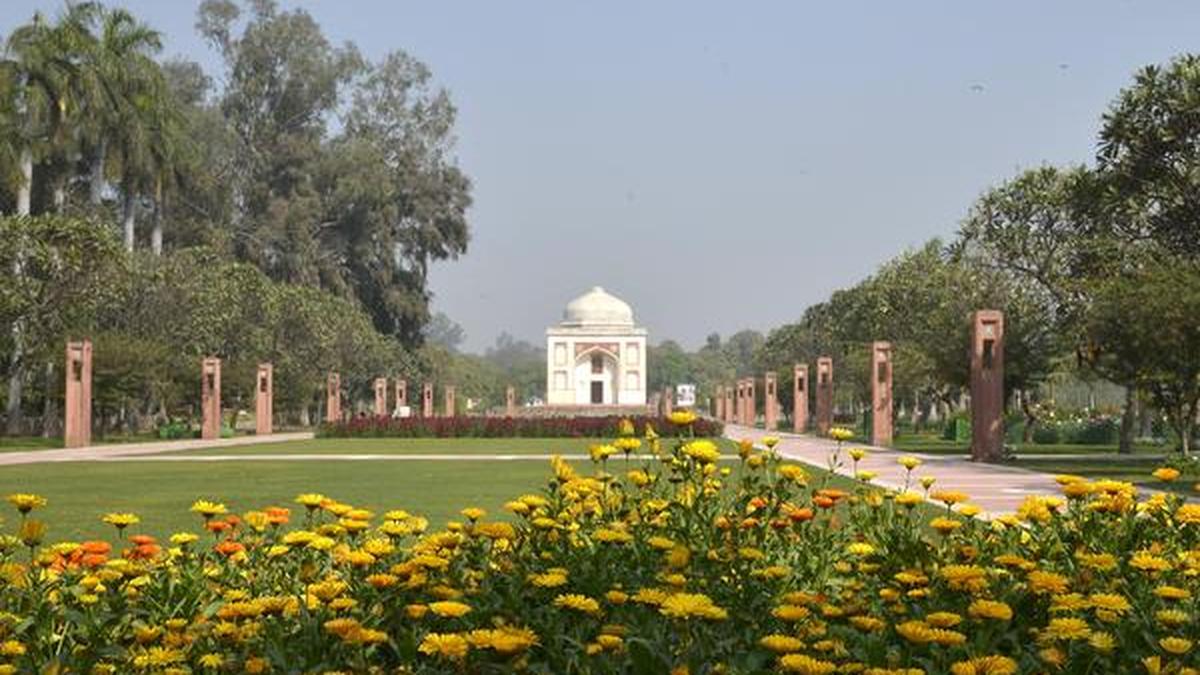
The city’s gardens, avenues and well‑tended parks show how authorities use vegetation to project modernity, cleanliness and permanence. Planners have historically moved what they considered wilderness to the margins while creating shaded ceremonial vistas in the centre. This approach determines which species can thrive and shapes public spaces through decisions about water, labour and maintenance.
But the parts of Delhi that resist control tell a different story. The Aravalli Ridge and its scrubland are resilient to formal landscaping. They do not bend to straight lines or neat beds, and they remain an archive of institutional habits such as fencing, plotting and treating ecological complexity as a management problem. The Yamuna floodplain offers another lesson. Once a system of seasonal wetlands and sandbars, it has been recast as real estate. Denial of the river’s natural cycle has made floods worse and reduced the city’s natural defences.

Delhi’s fauna also mark the contours of civic life. Monkeys exploit temples and markets, nilgai cross institutional boundaries, crows and kites follow waste routes and street dogs expose patterns of care and abandonment. These species adapt quickly to the opportunities the city provides and in doing so reveal the local political economy.
There is a stark material effect. Areas such as Lutyens’ Delhi and elite colonies receive careful tree maintenance, producing mature shade and cooler neighbourhoods. Peripheral settlements often lack canopy cover, and residents there face hotter streets, higher exposure to dust and weaker public services. That mismatch contributes to climatic injustice: greenery cools and raises land values, while poorer communities endure harsher conditions.
Understanding this should shift conversations from nostalgia to restoration. Delhi has always been a palimpsest of settlement, agriculture and planning. Suggesting that the city once enjoyed an unspoiled baseline risks romanticising the past and accepting limited ambition for the future. Instead, writers and scientists argue for restoring ecosystems with better baselines informed by contemporary ecological knowledge.
That argument carries a decolonial edge. Some colonial planners dismissed the Aravallis’ vegetation as ugly; reclaiming and restoring such habitats requires a change in mindset as much as in policy. Restoration science offers tools to go beyond simple preservation, allowing planners to design interventions that increase resilience and address social inequalities.
For policy makers, the challenge is practical. It involves rethinking land use in floodplains, investing in canopy cover where it is lacking, and recognising that urban nature is governed by cycles of attention that alternate between emergency and amnesia. Courts, municipal bodies and national missions will play roles, but so will local communities whose everyday bargains shape the city on the ground.
Delhi’s wild spaces therefore provide a clear, public measure of governance. They show where the state chooses to invest, where it withdraws, and how those decisions affect health, mobility and the environment. Treating these spaces as political indicators offers a way to connect ecological restoration with social justice and to imagine a more equitable city.
Key Takeaways:
- Delhi wilderness exposes how state planning and public order shape which species and neighbourhoods thrive, revealing patterns of climatic injustice.
- Books such as Neha Sinha’s Wild Capital and studies of the Yamuna and Aravalli Ridge trace the political choices behind urban nature.
- Restoration and decolonised approaches offer ways to improve urban ecology while addressing social inequality.








