











A handful of well-chosen items at a Moscow flea market turned into a significant short-term profit for Valeriy Arkhipov, presenter of REN TV’s programme ‘Kupi-prodai’. Over the course of a few hours he spent ₽26,250 on a selection of antiques and nostalgic goods that he expects to resell for at least ₽72,000.
Russian flea market profits in practice
Arkhipov’s buys ranged from English bone thimbles to Soviet-era perfumes, a wall-hanging carpet and a hand-crafted Japanese photo album dated 1924. Each purchase was guided by three practical principles: provenance, material quality and market demand. Items with clear maker’s marks or natural materials carried a premium; synthetic fibres and unknown origins reduced value.
One illustrative purchase was a set of five bone thimbles, originally priced at ₽500 each. After bargaining, Arkhipov bought them with a discount and intends to sell each for around ₽1,000. Another find was a bottle of the Soviet-era ‘Troynoi’ eau de cologne. Bought for ₽750 after negotiation, Arkhipov intends to keep that piece for personal nostalgia rather than resale. He did, however, buy a set of ‘Novaya Zarya’ perfumes for ₽5,000 that he aims to sell for between ₽10,000 and ₽15,000.

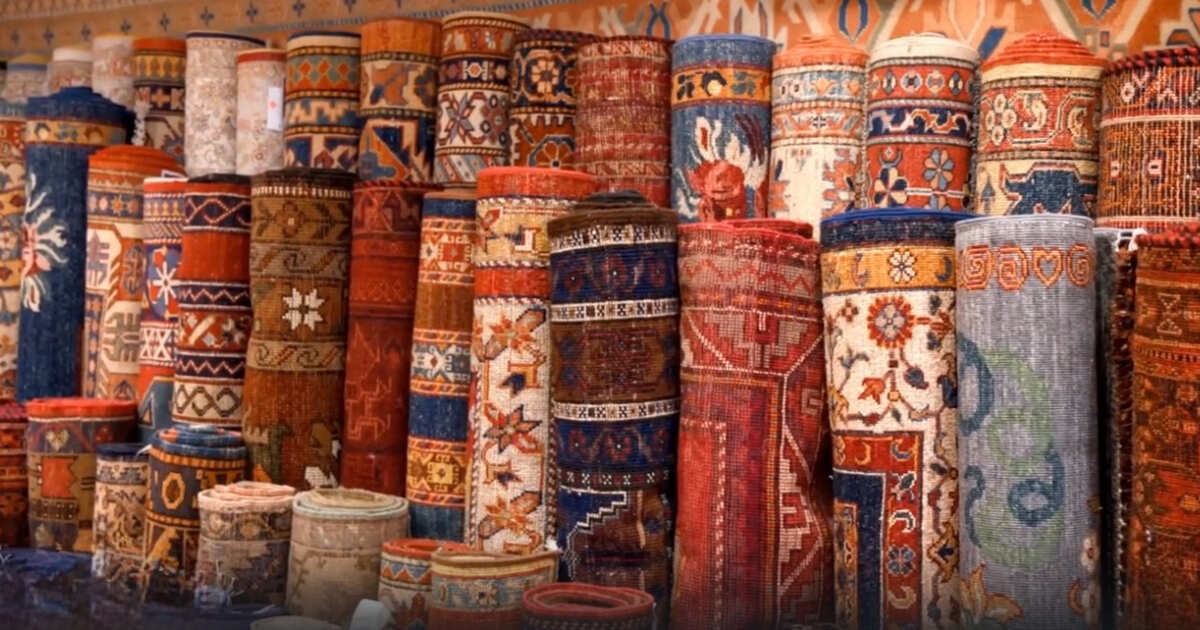
Textile purchases demand particular attention. Arkhipov stressed that rugs and tapestries woven from natural fibres such as wool or silk remain sought after, while those containing synthetic yarns usually fetch lower prices. He also noted that pieces from the former East Germany often display superior colourfastness and finishing, which helps retain value decades on.
His most striking acquisition was a Japanese inlaid photo album from 1924. The album featured mother-of-pearl and bone inlays, with gilt details still visible. Originally offered at ₽20,000, Arkhipov purchased it for ₽15,000 and estimates that, once cleaned and conserved, it could resell for around ₽50,000.
Arkhipov summarised the outing with clear figures: total spending of ₽26,250 and a conservative resale estimate of ₽72,000, yielding a projected net profit of ₽45,750. That return came from a combination of careful selection and effective negotiation, performed during a single visit.
For would-be resellers, the episode provides practical takeaways. First, learn to spot maker’s marks and evaluate materials; second, focus on items that evoke nostalgia or have a documented origin; third, develop bargain skills—sellers on such markets expect negotiation. Finally, consider restoration and presentation: modest cleaning and repair can multiply an item’s resale value.
The segment also underlines a broader point about grassroots commerce in Russia. Small-scale trading and resale at markets can act as a supplementary income stream or a stepping stone into broader antique dealing. For viewers of ‘Kupi-prodai’ and those interested in micro-enterprise, flea-market flipping remains a tangible and accessible way to generate income.
Key Takeaways:
- Valeriy Arkhipov bought antiques and nostalgic items at a Russian flea market and spent ₽26,250.
- He expects to resell the lot for at least ₽72,000, forecasting a net profit of ₽45,750 within hours.
- Key opportunities include marked-up thimbles, Soviet perfumes, mid-century rugs and a 1924 Japanese photo album.
- The report highlights flea-market flipping as a viable small-business opportunity in Russia.








