











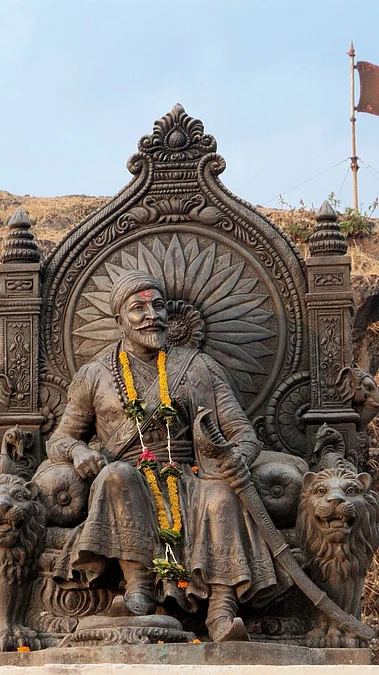
Shivaji Maharaj’s administrative letters offer a clear picture of how the seventeenth-century Maratha ruler insisted on discipline and loyalty when recruiting staff. A recent study by Dr Kedar Falke, which compiles and analyses those letters, highlights rules the king set for hiring servants, soldiers and officials — rules aimed at safeguarding the state and preventing internal decay.
Shivaji Maharaj hiring principles
The core of Shivaji Maharaj’s approach was straightforward: know the person you are taking into service. His correspondence advises officials to make enquiries about a recruit’s place of residence, family ties and whether the candidate had previously been in employment. Such checks were practical safeguards. By confirming a person’s background, the administration could assess loyalty and the risk of opportunistic behaviour.
Shivaji explicitly warned against taking on people with known criminal behaviour. His injunctions list those he would not accept into service: habitual offenders, paid informants of enemy courts, murderers, drunkards and other morally unreliable individuals. He also cautioned against recruiting retainers with strong ties to rival powers, on the grounds they could transmit sensitive information to enemies.

The king’s orders extended to the matter of land or patronage. Shivaji advised that no servant should be entirely landless, a measure intended to provide a stake in the system and a degree of accountability. He noted that if a landless servant stole and absconded, the landholder who had vouched for the recruit could be held responsible. This principle tied social and economic obligations to administrative reliability.
Dr Falke’s compilation points to specific instances where Shivaji put these ideas into practice. One notable letter, dated 27 June 1662 and addressed to Sarjerao Jedhe, sets out checking procedures and warnings in firm terms. The letters blend administrative detail with the sort of tough-minded language a ruler uses when state security and public order are at stake. Shivaji wrote that by refusing to admit such unreliable men into service, the ruler preserves authority and keeps people cautious and law-abiding.
Historians argue that these hiring principles had broader effects on governance. By insisting upon background checks, barring known malefactors and linking land and responsibility, Shivaji created incentives for duty and loyalty. Such measures reduced leaks of information, curtailed theft and maintained the ruler’s control over his administration.
While the context is seventeenth-century Deccan politics, the administrative logic remains recognisable to modern readers: recruitment shapes the character and effectiveness of institutions. Shivaji’s letters demonstrate an active management style that combined intelligence, prudence and firm standards. They also shed light on the everyday concerns of running a pre-modern state, where personal ties and local knowledge were as important as formal ranks.
Dr Falke’s work makes these documents accessible and shows how a sequence of seemingly practical rules contributed to the stability of Shivaji’s court and forces. For contemporary students of administration and political history, the letters offer lessons on how recruitment policy can be used to reinforce state security and public order.
In short, Shivaji Maharaj’s hiring principles were not mere moral admonitions. They were concrete administrative tools designed to preserve loyalty, deter wrongdoing and strengthen governance.
Key Takeaways:
- Dr Kedar Falke’s study of Shivaji Maharaj’s letters reveals strict criteria for recruiting servants and officers.
- Shivaji emphasised background checks: residence, family ties and prior employment before hiring.
- He banned hiring criminals, spies, drunkards and landless retainers to protect the state and maintain discipline.
- The correspondence, including a 1662 letter to Sarjerao Jedhe, illustrates practical governance measures to ensure loyalty.








