











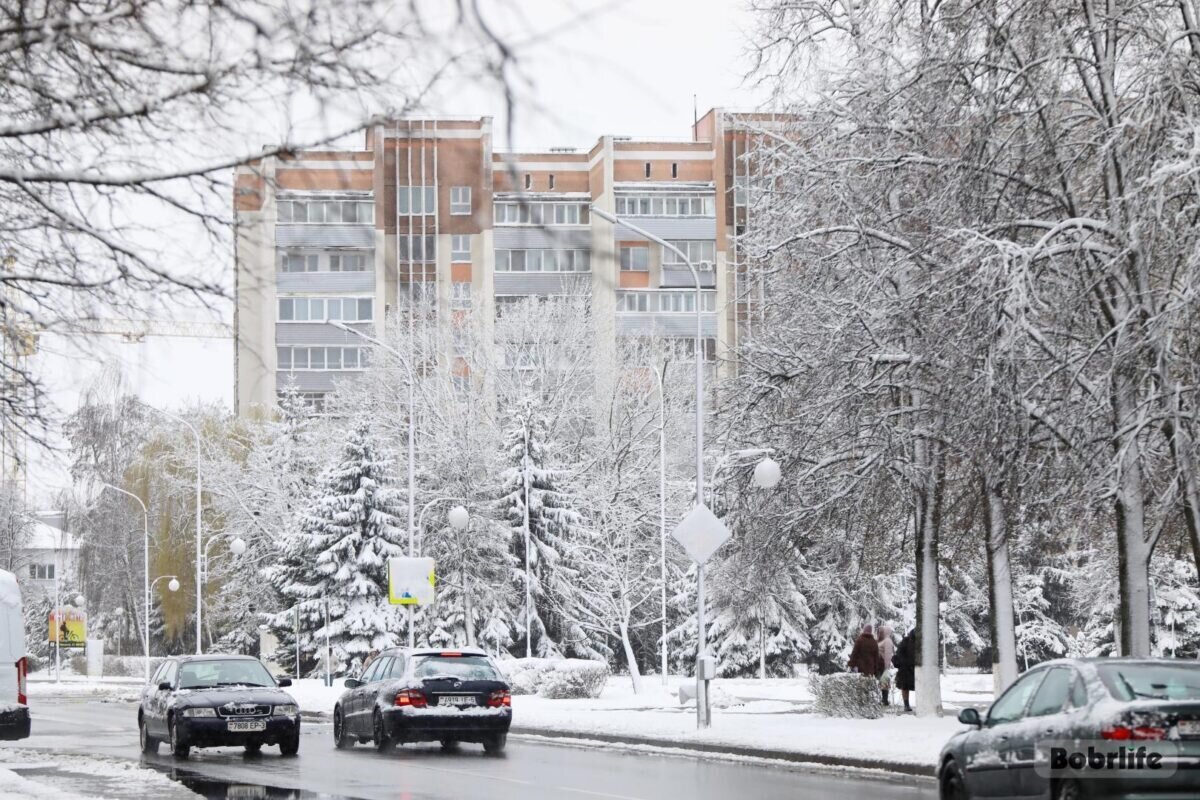
With freezing temperatures and shortened daylight, winter driving demands adjustments. Road safety instructor Vitaliy Zhukovsky advises drivers to adopt a calm, controlled approach: prioritise smooth steering, avoid sudden braking and choose speeds that match visibility and surface conditions. Those who change their behaviour can reduce the chance of skidding or collisions on icy roads.
Winter driving Belarus essential techniques
If you feel your vehicle beginning to slide, the immediate response is crucial. Do not grip the wheel and make frantic corrections or stomp on the brake. Instead, look where you want the car to go and steer smoothly in that direction. If the vehicle drifts onto the verge, maintain the current throttle gently and steer back into the lane with steady movements. Abrupt inputs often worsen a slide.
Fog requires its own precautions. Use fog lights when visibility is impaired and reduce speed so you can stop safely within the visible distance. Remember that fog limits your sightline more than clear cold air, so select a speed that allows confident braking if an obstacle appears.

Encountering wildlife is a frequent hazard on rural roads. Dawn and dusk are peak times for animals such as deer and moose. Watch for road signs indicating wild animals and lower your speed in these zones. On dark roads, use your high beam where appropriate to spot animals sooner, but switch to dipped beam promptly if another vehicle approaches to avoid dazzling other drivers. If another vehicle’s headlights blind you, switch on your hazard lights, hold your lane and slow down gradually before stopping if necessary. Yellow-lensed driving glasses can help reduce glare from oncoming lights.
Small preparations prevent many common winter problems. To avoid frozen locks, apply silicone lubricant to keyholes before nights of extreme cold. After a car wash, finish with air-drying around the doors to prevent seals freezing. If a lock does freeze, do not force the key or pull hard on the handle; attempts to brute-force the mechanism may break it. Avoid pouring hot water on locks or using a naked flame to thaw them, as such methods can damage paint and create corrosion or pose fire risks.
Many drivers underestimate the danger of driving with snow-packed bodywork. Always remove snow and ice from the windscreen, all side and rear windows, mirrors, lights and the bonnet. Snow flying off at speed can endanger other road users and reduce your own visibility. Ensure all lights are clear so other drivers can see you.
Zhukovsky sums up winter driving with three simple rules: do not drive fast, avoid sudden braking, and use smooth steering inputs. For any longer journeys beyond the city, fully charge your mobile phone and pack an emergency kit in the boot containing warm clothing, a torch, a first-aid kit, non-perishable snacks and a charged power bank. These steps help drivers manage both routine and unexpected winter incidents.
Adapting driving habits and preparing the vehicle for cold weather are the most reliable ways to reduce accidents. Calm, considered actions behind the wheel and modest preventive measures can keep winter journeys safer for drivers and other road users alike.
Key Takeaways:
- Winter driving Belarus: prioritise smooth steering, gentle braking and controlled speeds to reduce skid risk.
- Prepare for poor visibility and wildlife encounters by using fog lights, reducing speed and using high beam responsibly.
- Prevent lock and door freezing with simple pre-emptive steps and fully clear snow from all windows, lights and mirrors before driving.








