











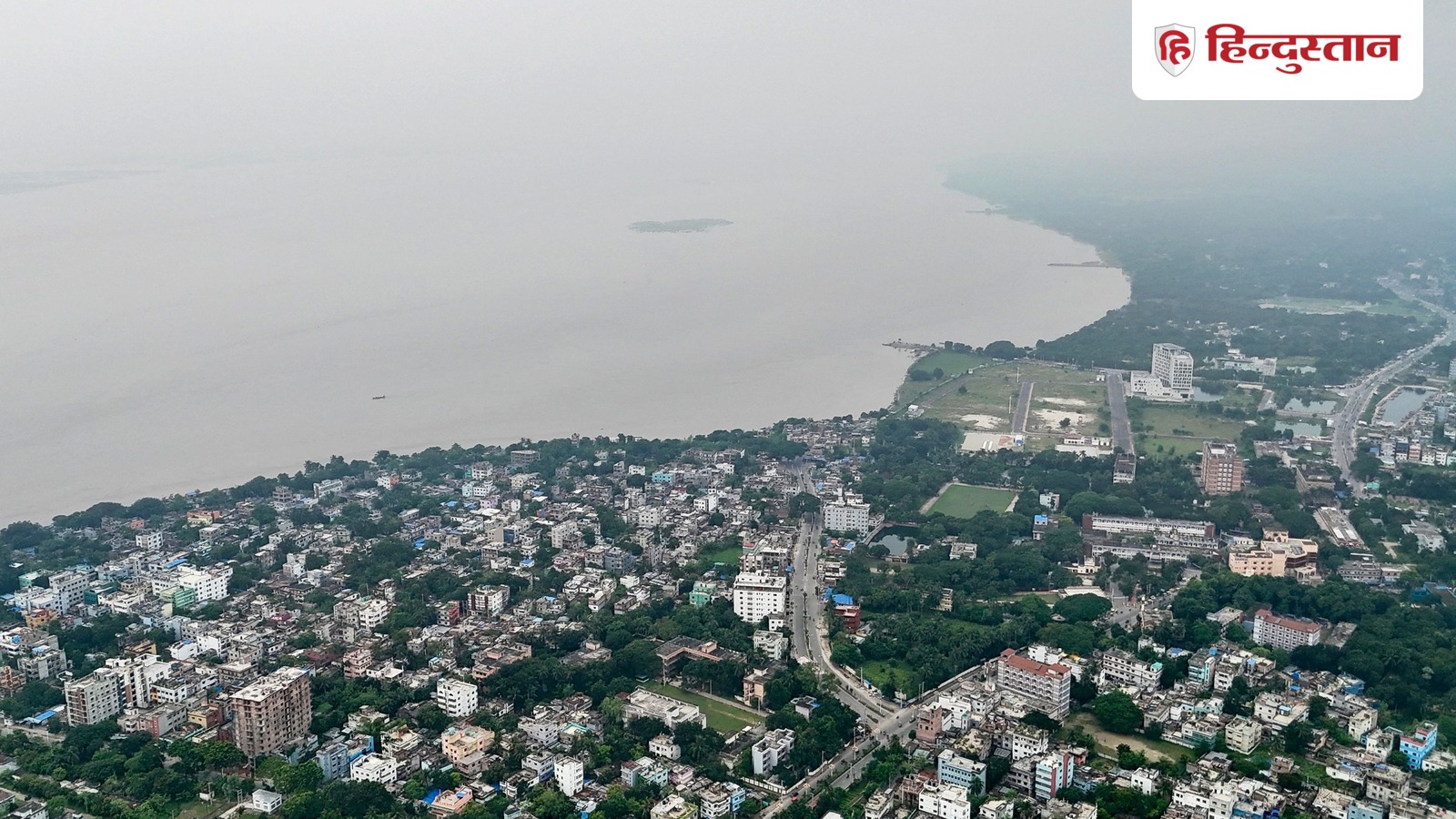
India and Bangladesh have opened formal negotiations to renew the 1996 Ganga water-sharing treaty, a pact that governs allocation of water at the Farakka Barrage during the dry season. With the agreement due to expire in December 2026, officials from both sides have begun cooperative fieldwork and preparatory talks to ensure continuity of cross-border water management.
India Bangladesh water treaty measurements begin
From Thursday, joint measurements of river levels on the Ganga and Padma began at specified points, to be recorded every 10 days until 31 May. The activity follows treaty provisions that require data collection during the dry season from 1 January to 31 May, and provides a factual basis for negotiations on how flows should be shared when supplies decline.
An Indian team led by Saurabh Kumar, deputy director of the Central Water Commission, and assistant director Sunny Arora is currently in Bangladesh. A four-member Bangladeshi delegation, headed by Executive Engineer Arifin Jubed of the Water Development Board’s north-eastern hydrology division, is in India. Measurements started at a point 3,500 feet upstream of Harding Bridge on the Padma and at the Farakka point in India.

Bangladeshi senior water resources official Shibbar Hussain said special security arrangements have been made for the Indian team. The water resources ministry has written to its home ministry to ensure additional protection during the fieldwork.
The 1996 treaty marked a significant step in settling prolonged water disputes between the two neighbours by setting a mechanism for sharing Ganga flows in the dry months. However, both countries now face new pressures. Climate change is altering seasonal flows, irrigation demand has grown, and infrastructure projects have changed hydrological characteristics downstream. Those factors have prompted calls for adjustments to the existing agreement.
India is seeking modifications that reflect its rising water requirements for irrigation, port maintenance and power generation. Bangladesh, particularly in its south-western agricultural zones, is urging a larger share of dry-season flows to protect crops, fisheries and livelihoods. Negotiators in both capitals indicate they want a treaty that is more resilient to climate variability and more responsive to local needs.
Officials say the talks could also broaden cooperation on transboundary river management. While the Ganga and its continuation as the Padma are central to this treaty, India and Bangladesh share some 54 rivers, and authorities have discussed expanding bilateral agreements and technical collaboration beyond the present arrangement.
Experts welcomed the move to begin joint measurements and called it a practical step that keeps the two sides engaged as the treaty approaches its final year. Continued data collection, transparent sharing of results and a negotiated framework that balances upstream and downstream needs will be crucial to a renewed agreement that stands up to changing climate and development pressures.
The next round of formal discussions is expected after the measurement period ends in May, with both sides indicating they will seek a mutually acceptable renewal rather than a lapse in the arrangement that could unsettle communities and economies on both sides of the border.
Key Takeaways:
- India and Bangladesh have started formal talks to renew the 1996 Ganga water-sharing treaty ahead of its December 2026 expiry.
- Joint river-level measurements on the Ganga and Padma will be recorded every 10 days until 31 May to inform talks.
- Teams from India’s Central Water Commission and Bangladesh Water Development Board are conducting measurements at Farakka and upstream of Harding Bridge.
- Negotiations aim to update provisions to reflect climate change, rising irrigation demand and regional water security.








