











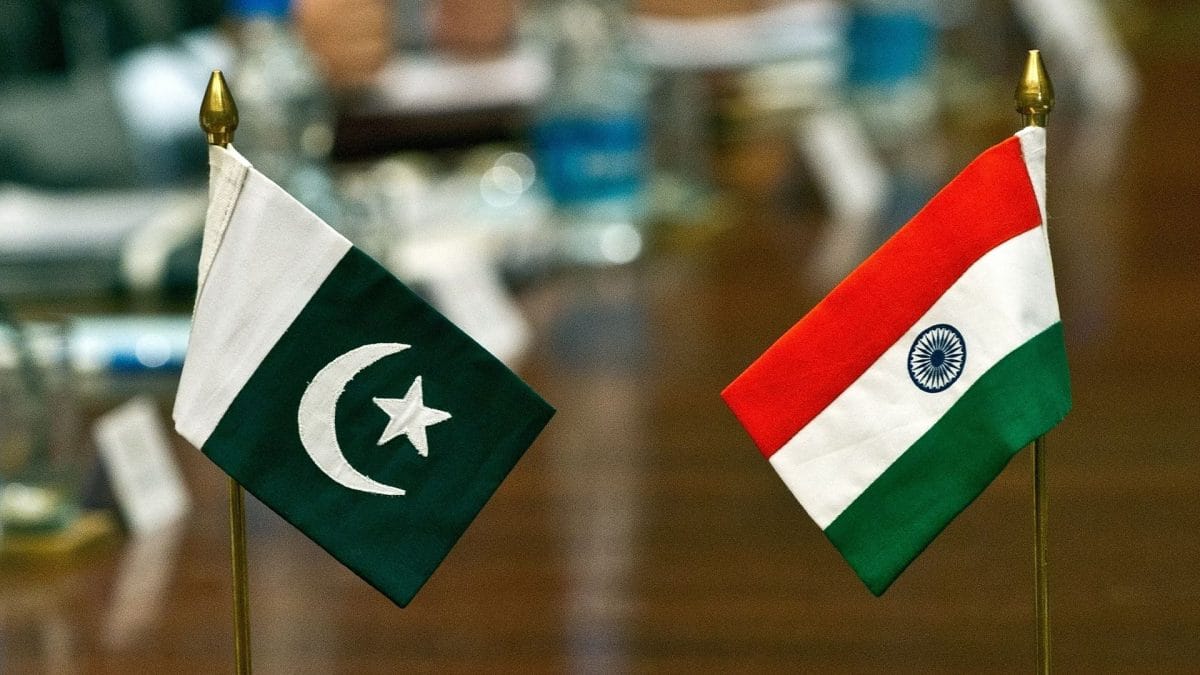
India and Pakistan carried out their annual exchange of nuclear installation lists and prisoner details on 1 January, continuing a decades-old practice designed to reduce the risk of misunderstanding between the two nuclear-armed neighbours.
India Pakistan nuclear list exchange provides confidence-building
The simultaneous sharing of nuclear facility information has taken place for the 35th year, in line with the Agreement on the Prohibition of Attack against Nuclear Installations and Facilities, signed in December 1988 and operational since January 1991. Both capitals transmitted details through diplomatic channels in New Delhi and Islamabad, a protocol that officials say helps to lower the chances of accidental escalation by ensuring each side is aware of the location and status of sensitive sites.
Alongside the nuclear data swap, India and Pakistan handed over updated lists of civilian prisoners and fishermen held in each other’s custody under the Consular Access Agreement of 2008. New Delhi shared details of 391 civil prisoners and 33 fishermen it believes to be Pakistani; Islamabad provided information on 58 civil prisoners and 199 fishermen believed to be Indian.

India’s statement reiterated calls for the early release and repatriation of detainees, urging Pakistan to expedite consular access for Indian nationals and to ensure the safety and welfare of those awaiting return. New Delhi noted that sustained diplomatic engagement since 2014 had led to the repatriation of thousands of fishermen and civilian detainees, and said it would press for similar outcomes this year.
The exchanges were accompanied by a modest but symbolic encounter in Dhaka, where External Affairs Minister S. Jaishankar briefly met and shook hands with Pakistan’s National Assembly Speaker Sardar Ayaz Sadiq while attending funeral events for former Bangladeshi prime minister Khaleda Zia. Observers highlighted that the brief contact was the first direct meeting between senior officials since the military confrontation between the two countries in May 2025.
Diplomats and analysts described the contact as limited in scope but meaningful in signalling a willingness to maintain lines of communication. Such confidence-building measures have, at times, outlived sharper crises between the neighbours and serve practical purposes: they establish expectations, facilitate consular access and provide routine channels to manage sensitive information.
Nonetheless, the exchanges do not signal a comprehensive rapprochement. Fundamental disputes and strategic competition remain, and officials on both sides often stress that these protocols are precautionary rather than political gestures of reconciliation. Still, routine cooperation on nuclear transparency and prisoner lists helps to contain risk and creates opportunities for humanitarian outcomes, such as the expedited return of fishermen and civilians to their families.
For the moment, the Dhaka meeting and the synchronized information swap should be read as pragmatic steps to steady a fraught relationship rather than the start of a broad diplomatic reset. They demonstrate that, even amid tensions, established mechanisms can function and senior officials can find room for restrained engagement when circumstances permit.
Key Takeaways:
- India Pakistan nuclear list exchange marked the 35th consecutive annual sharing of nuclear installation details under the 1988 agreement.
- Both countries also exchanged updated lists of civilian prisoners and fishermen under the 2008 Consular Access Agreement, with India listing 391 civilians and 33 fishermen, Pakistan listing 58 civilians and 199 fishermen.
- A brief high-level encounter in Dhaka between S. Jaishankar and Ayaz Sadiq was the first direct contact since the May 2025 confrontation, signalling a limited diplomatic thaw.
- The exchanges are a routine confidence-building measure aimed at reducing miscalculation and facilitating consular access and repatriation.








