











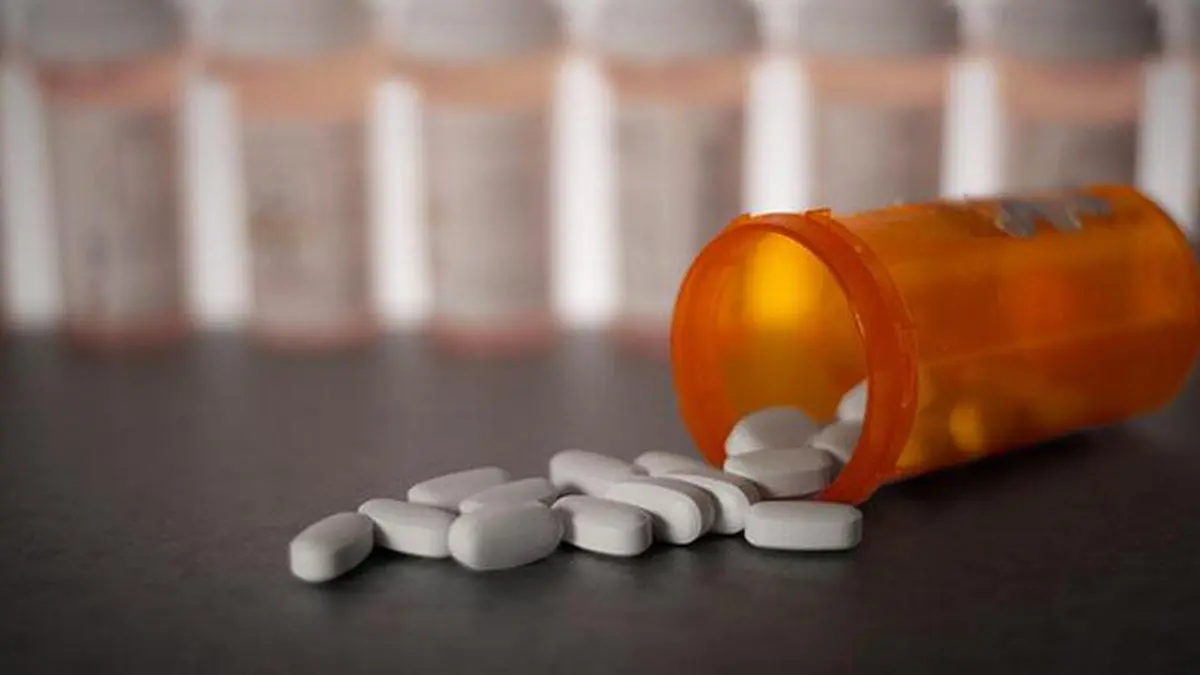
The Union Government has prohibited all oral formulations of nimesulide that exceed 100 milligrams, citing likely risks to human health and the availability of safer alternatives. The notification, issued after consultations with the Drugs Technical Advisory Board (DTAB), aims to remove higher-strength products from the market even where their sales are limited.
Nimesulide, a nonsteroidal anti-inflammatory drug (NSAID) commonly used to reduce fever and relieve pain, has a contested safety record. Indian regulators had already barred its use in children under 12 and for veterinary applications because of concerns about liver toxicity. The latest move extends those precautions to higher-dose oral preparations for the general population.
Industry analysts estimate the entire nimesulide segment, including combination formulations, to be worth about ₹500 crore. Vishal Manchanda, Senior Vice-President for Institutional Research at Systematix Group, said that while relatively few manufacturers currently market strengths above 100 mg, the government’s decision is intended to prevent any potential harm. He noted that brands containing nimesulide are sold by major firms such as Dr Reddy’s Laboratories, Cipla, Emcure and Alkem.

Impact of India nimesulide ban
For most manufacturers, the immediate commercial impact is expected to be limited. Several higher-strength products are either not on sale or record minimal sales, according to market commentary. Where such formulations do exist, companies will need to decide whether to withdraw them, reformulate at lower strengths, or seek alternative approvals.
Pharmacies and distributors should prepare for changes to inventories and labelling, while prescribers may be advised to shift patients to established alternatives. Public-health officials argue the prohibition is a precautionary step: regulators weighed the drug’s risk profile against the availability of safer options and concluded the balance favours restriction for higher doses.
The move is likely to trigger rapid compliance activity. Manufacturers will need to notify regulators of changes to product portfolios and adjust marketing materials. Any pending marketing authorisations for strengths above 100 mg may be re-examined or revoked, depending on the legal and regulatory follow-up that the Ministry implements.
Market analysts say the ban should not upset supply of essential analgesics, because several other NSAIDs and antipyretics are widely available and clinically accepted. Nonetheless, there may be a short-term administrative burden as companies retool packaging, withdraw listings and manage stock returns.
Patient safety remains the stated priority. The government’s approach reflects an emphasis on pharmacovigilance and risk minimisation: removing formulations that pose disproportionate hazards when safer alternatives can meet therapeutic needs. Observers expect the Centre to issue guidance to clinicians and pharmacists to ensure patient care is uninterrupted during the transition.
Looking ahead, firms affected by the ban may pursue lower-strength formulations or combination products that comply with the new limit. Regulators will monitor adverse event reports and may consider further adjustments if new evidence emerges. For now, the decision marks a regulatory tightening aimed at reducing the risk of severe hepatic events linked to higher doses of nimesulide while preserving access to safer options.
Key Takeaways:
- Centre has prohibited all oral formulations of nimesulide above 100 mg after DTAB consultations due to safety concerns.
- India nimesulide ban will touch a roughly ₹500 crore segment with brands from Dr Reddy’s, Cipla, Emcure and Alkem.
- Regulators cited liver toxicity and the availability of safer alternatives; companies may reformulate or withdraw higher-strength products.








