











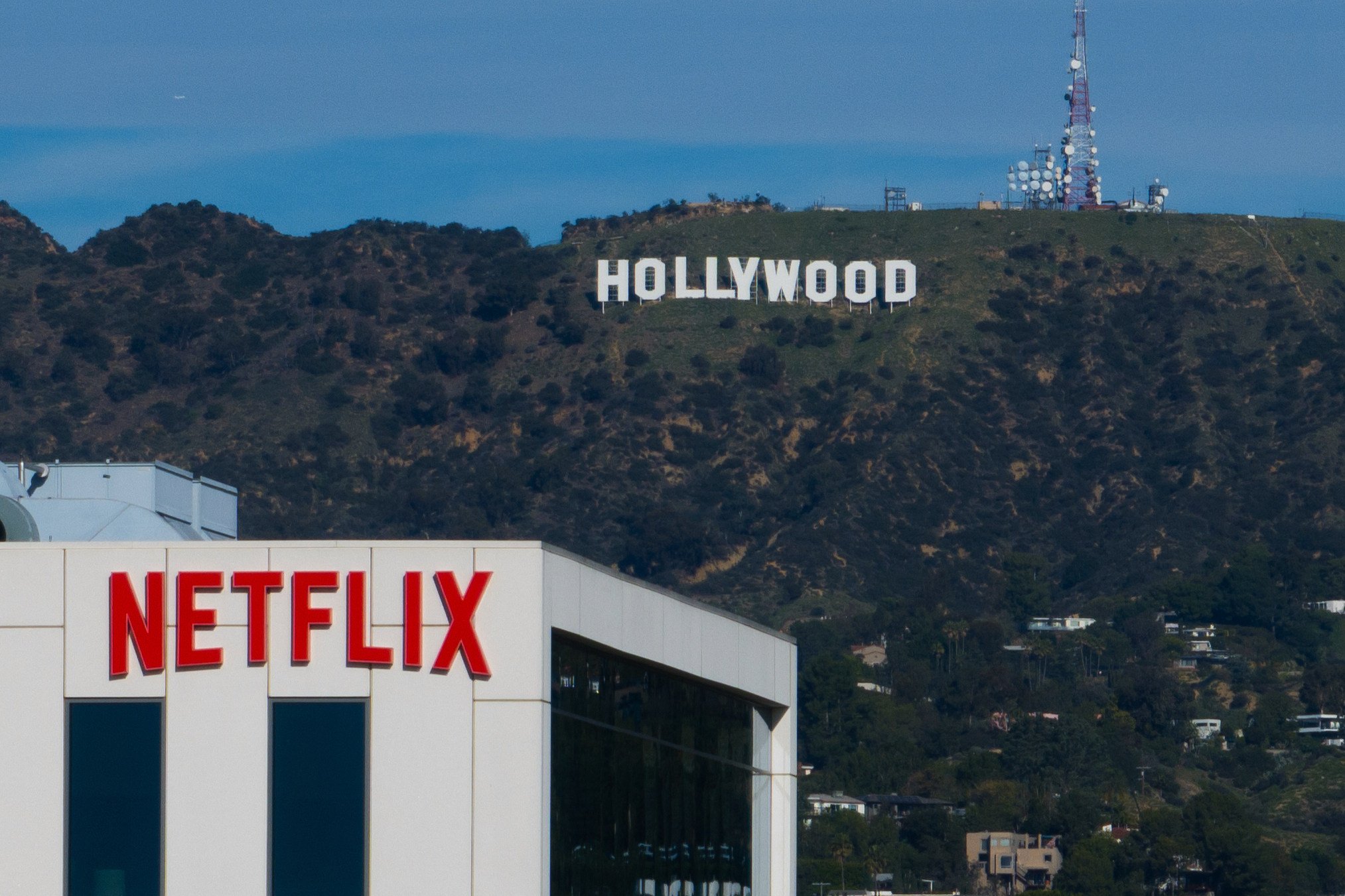
Netflix’s proposed US$72 billion acquisition of Warner Bros. Discovery is prompting wide concern and cautious optimism across India’s entertainment industry as businesses weigh its likely effects on cinemas, broadcasters and local streaming platforms.
Netflix Warner Bros deal India and its implications for cinemas and streamers
The deal would give Netflix access to Warner Bros. film titles and HBO programming, strengthening its global content library and potentially accelerating shifts in how Indians consume films and television. The acquisition is awaiting regulatory approval and is expected to conclude within the coming months if cleared.
Industry bodies and analysts say the immediate worry is for India’s theatrical ecosystem. The Multiplex Association of India warned that the consolidation could reduce the volume of premium titles available to cinemas and shorten the window between theatrical release and availability on streaming platforms. Such a move could hit box office revenues at a time when multiplex chains are still regaining footing after the pandemic.

“The Indian theatrical market thrives on choice, scale and cultural diversity. Warner Bros. has historically been a key partner to Indian cinemas,” said Kamal Gianchandani, president of the Multiplex Association of India, noting the studio’s steady contribution to release schedules and ticket sales.
Research from Elara Capital estimates that Hollywood accounts for roughly 15–20 per cent of PVR-INOX’s box office, with Warner Bros. content representing about 4 per cent. Analysts caution that if Netflix shortens theatrical windows or releases some titles directly to streaming, the financial model for exhibitors—reliant on big franchise films—could be under pressure.
But not all commentary is hostile. Some strategists see the expanded Netflix catalogue as a spur for market development. Lloyd Mathias, a business strategist, argued that stronger competition at the premium end could encourage higher investment in local productions and offer consumers more choice. “The opportunity for growth in India in OTT is limitless,” he said, pointing to sustained demand for new entertainment.
The ripple effects would extend beyond cinemas. JioStar, India’s largest media conglomerate formed after the Disney Star and Viacom18 merger, may face greater competition for viewers across TV and streaming. JioStar’s strong hold on television viewership and sports rights—including the Indian Premier League—gives it advantages, but a larger Netflix could force it to increase original content spend or seek new partnerships.
Smaller streaming services such as SonyLiv, Zee5 and Sun NXT could find it harder to compete if Netflix leverages exclusive Warner Bros. titles and experiments with pricing or pay-on-demand releases for blockbuster films. That said, market observers also expect a period of strategic response, with rivals doubling down on local content, bundling or collaborations to retain audiences.
For the consumer, the transaction is likely to mean greater access to premium content on demand. For exhibitors and smaller platforms, it represents a challenge that could reshape investment, release strategies and partnerships across India’s entertainment sector.
As regulators consider the merger, stakeholders from multiplex chains to broadcasters will be watching closely to see how Netflix integrates Warner Bros. assets and whether distribution windows or release strategies will change materially for the Indian market.
Key Takeaways:
- Netflix Warner Bros deal India could boost streaming content supply while putting pressure on theatrical releases.
- Multiplexes warn the acquisition may shorten theatrical windows and reduce box office revenues for cinemas recovering from COVID-19.
- The merged content library may force local rivals and conglomerates such as JioStar to invest more in originals or partnerships.
- Consumers may benefit from greater choice, but smaller Indian streamers could face stiffer competition.








