











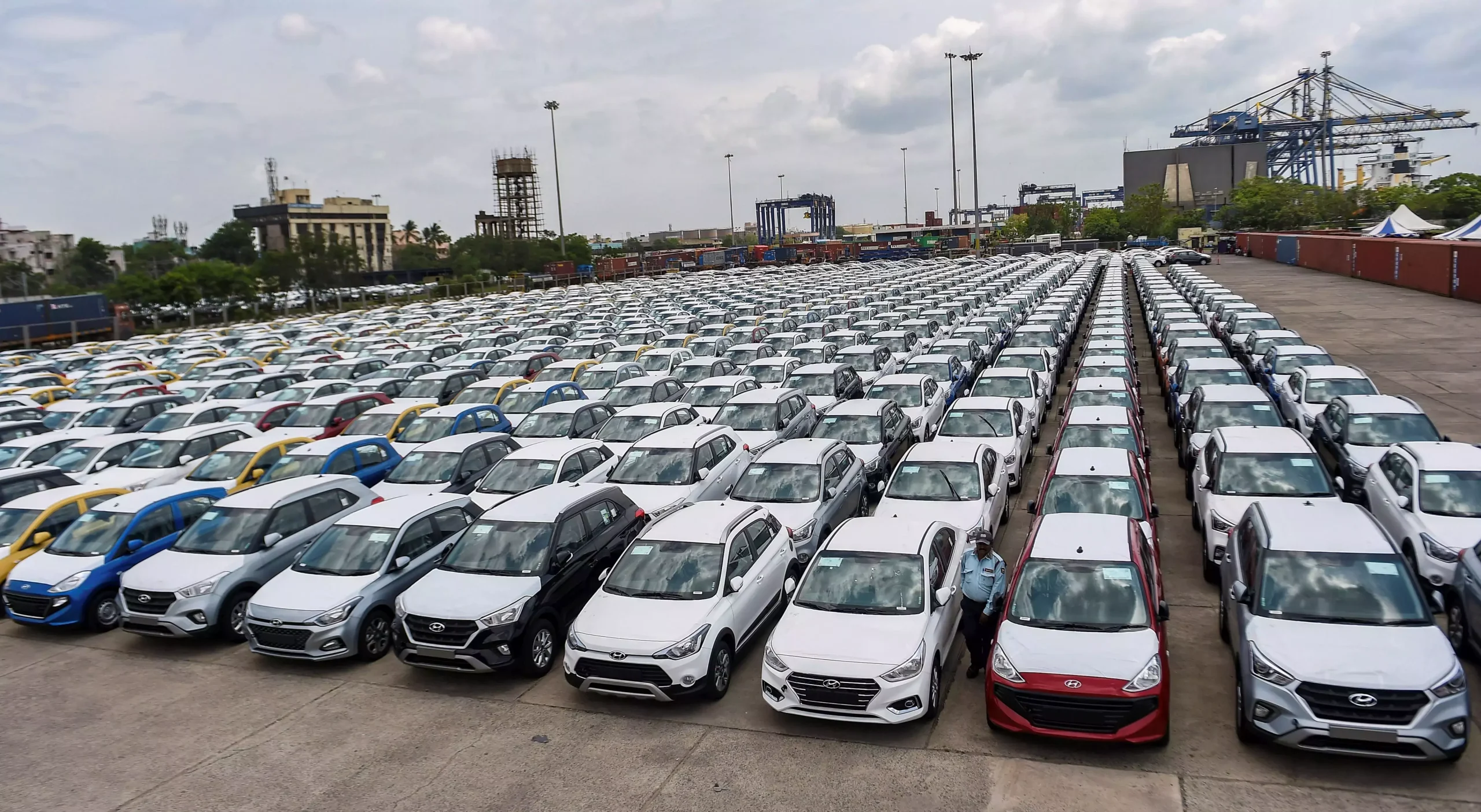
Maruti Suzuki, India’s largest carmaker, has forecast that the country’s passenger vehicle market will expand by 6–7 per cent in 2026, citing improved affordability, stable macroeconomic conditions and continued consumer demand.
Speaking at a media briefing in Pune, Partho Banerjee, senior executive officer for marketing and sales at Maruti Suzuki, said the momentum from the second half of 2025 is likely to carry into the new year. He pointed to several supportive factors, including a reduction in the Goods and Services Tax, income tax relief measures, lower interest rates and normal monsoon conditions, all of which should ease cost pressures for buyers and stimulate purchases.
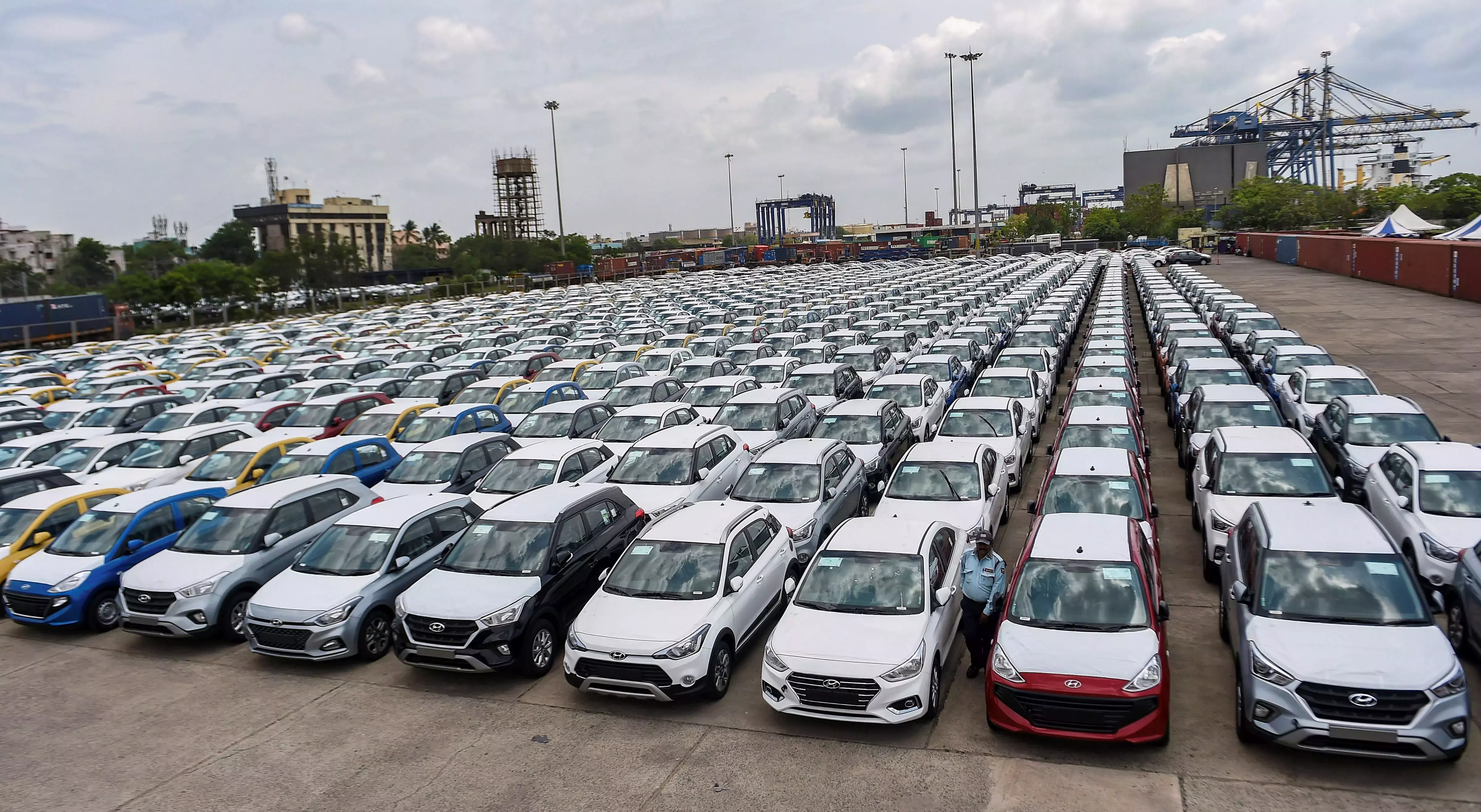

India car market growth outlook for 2026
Industry estimates show passenger vehicle wholesale volumes reached a record 45.5 lakh units, or roughly 4.55 million, in 2025, up nearly 6 per cent from the previous year. That performance beat the earlier high of 43.05 lakh units recorded in 2024. Maruti Suzuki led the surge, registering wholesale volumes of 18.44 lakh units in 2025, surpassing its previous best of 17.90 lakh units.
Other major manufacturers also posted strong results. Tata Motors Passenger Vehicles reported its fifth consecutive year of record sales, delivering 587,218 units in 2025 and achieving its highest-ever electric vehicle volumes at 81,125 units in a calendar year. Mahindra recorded its best-ever volumes across both SUVs and light commercial vehicles above 3.5 tonnes. Toyota Kirloskar Motor, Skoda and JSW MG Motor each reported all-time highs for annual sales, while Hyundai and Kia posted year-on-year growth.
Market shifts were notable in 2025, with Mahindra and Tata overtaking Hyundai to become the second and third largest carmakers by volume. The changes reflect both product strategy and growing consumer interest in SUVs and electrified models, which helped broaden demand across segments.
Looking ahead, manufacturers and analysts expect the combination of policy measures and softer financing conditions to support continued growth. Banerjee said there was no reason the industry should not achieve 6–7 per cent growth in 2026 if current tailwinds persist. He also highlighted easing input costs and steady demand as contributors to a more predictable operating environment for OEMs and dealers.
Electric vehicle adoption is emerging as a bright spot. Tata’s record EV volumes signal that mass-market electric models are gaining traction, helped by greater consumer awareness and expanding charging infrastructure. That trend could influence product planning and investment across the industry in the coming years.
While the outlook is constructive, automakers will watch several variables closely, including commodity prices, interest-rate movements and policy developments. A sustained normal monsoon and steady income growth will further underpin retail demand, while any major disruptions to input costs could slow the recovery.
For now, the industry enters 2026 on a buoyant footing. Strong 2025 wholesales, resilient consumer demand and government measures to improve affordability combine to give manufacturers reason for cautious optimism about India’s passenger vehicle market growth next year.
Key Takeaways:
- Maruti Suzuki forecasts India car market growth of 6–7% in 2026, supported by tax relief, GST cuts and lower interest rates.
- Passenger vehicle wholesales hit a record 45.5 lakh units (4.55 million) in 2025, led by Maruti, Mahindra, Tata and Toyota.
- Electric vehicle volumes rose, with Tata Motors reporting a record 81,125 EVs in 2025, signalling rising EV adoption.
- Industry outlook remains favourable as policy support and easing cost pressures sustain demand into 2026.








