











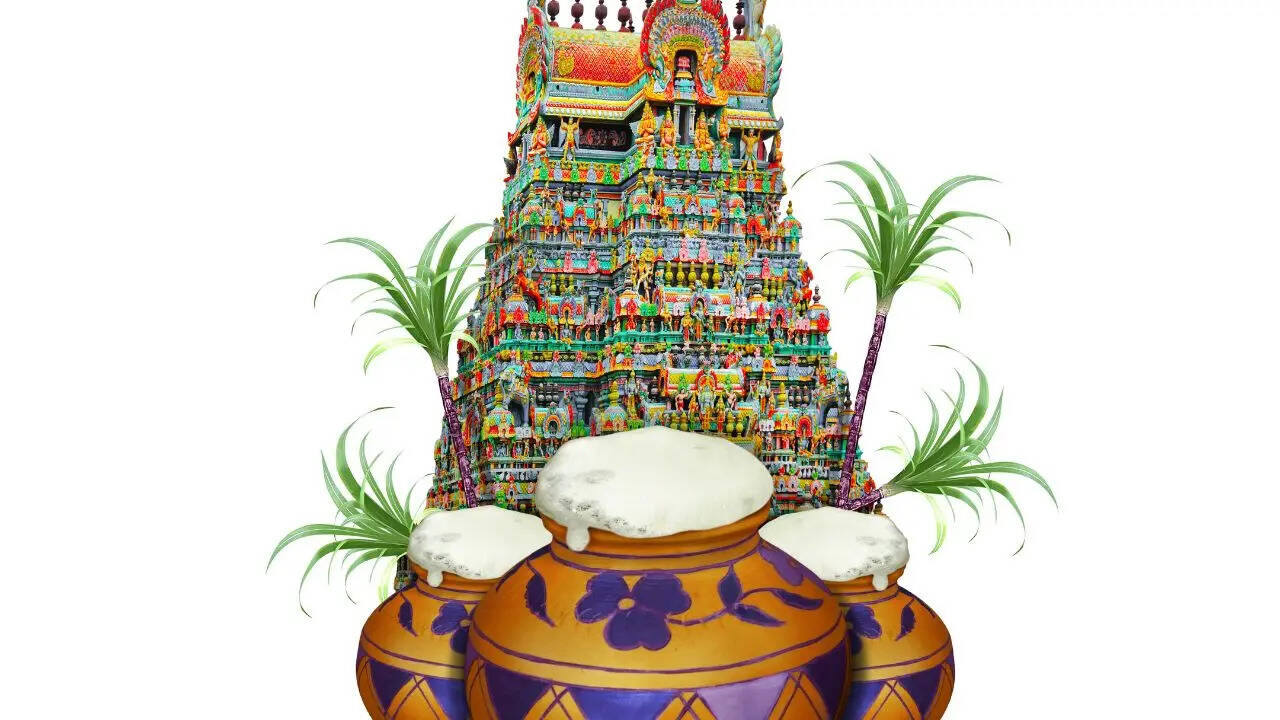
Pongal, the four-day harvest festival widely observed in Tamil Nadu and parts of South India, will be celebrated from 14 to 17 January 2026. The festival, rooted in agrarian traditions, marks the new harvest and the sun’s northward movement, a period regarded as auspicious for farming, weddings and religious rites.
Pongal 2026 key dates and timings
According to the Tamil panchangam, Thai Pongal falls on 14 January 2026. The Sankranti time for Thai Pongal is recorded at 03:13 PM IST. The festival spans four days: Bhogi, Thai Pongal, Mattu Pongal and Kaanum Pongal. Communities across Tamil Nadu will follow age-old rituals that centre on thanksgiving to nature and the Sun.
The chief observance, Thai Pongal, involves cooking sakkarai pongal — a sweet preparation of newly harvested rice, milk and jaggery — in a new decorated clay pot. The moment the pot boils over is celebrated as a symbol of abundance and prosperity. Families offer the first portion to the Sun God (Surya) before sharing the meal on banana leaves.

Bhogi and renewal
Bhogi, the first day, is devoted to cleansing and renewal. Households discard old and unused items and light bonfires, symbolically leaving behind the past. The day is traditionally associated with Indra, the deity linked to rain, underscoring the festival’s agricultural roots.
Mattu Pongal honours cattle
The third day, Mattu Pongal, pays tribute to cattle that have sustained farm work throughout the year. Farmers bathe and decorate cows and bulls with garlands and colours, offering them special feed. In parts of Tamil Nadu this day is also associated with Jallikattu, the traditional bull-taming sport that accompanies rural celebrations.
Kaanum Pongal and community
The final day, Kaanum Pongal, centres on family, community gatherings and outdoor leisure. People visit relatives, exchange meals and take part in music, games and social visits. Kaanum reinforces communal bonds after the season’s labour and the rituals of thanksgiving.
Pongal coincides with other harvest festivals across India, such as Makar Sankranti in the north and Magh Bihu in the northeast, reflecting a broader subcontinental observance of the harvest season. Crops commonly harvested at this time include rice, sugarcane and turmeric, and the month is traditionally regarded as favourable for marriages and religious ceremonies.
Rooted in the Tamil word pongu, meaning to rise or overflow, the festival celebrates the idea of plenty. Whether observed in rural farming communities or urban households, Pongal continues to blend religious reverence, agricultural gratitude and cultural celebration.
Note: Times are provided as per the Tamil panchangam. Observance and local timings may vary by region.
Key Takeaways:
- Pongal 2026 will be observed from 14–17 January across Tamil Nadu and parts of South India, coinciding with Makar Sankranti and Magh Bihu.
- Thai Pongal on 14 January is the chief day; auspicious Sankranti time is 03:13 PM IST and devotees offer sakkarai pongal to the Sun God.
- The four days — Bhogi, Thai Pongal, Mattu Pongal and Kaanum Pongal — honour renewal, the harvest, cattle and family bonds.
- Pongal marks the sun’s northward journey and occurs during a season important for harvesting rice, sugarcane and turmeric.








