











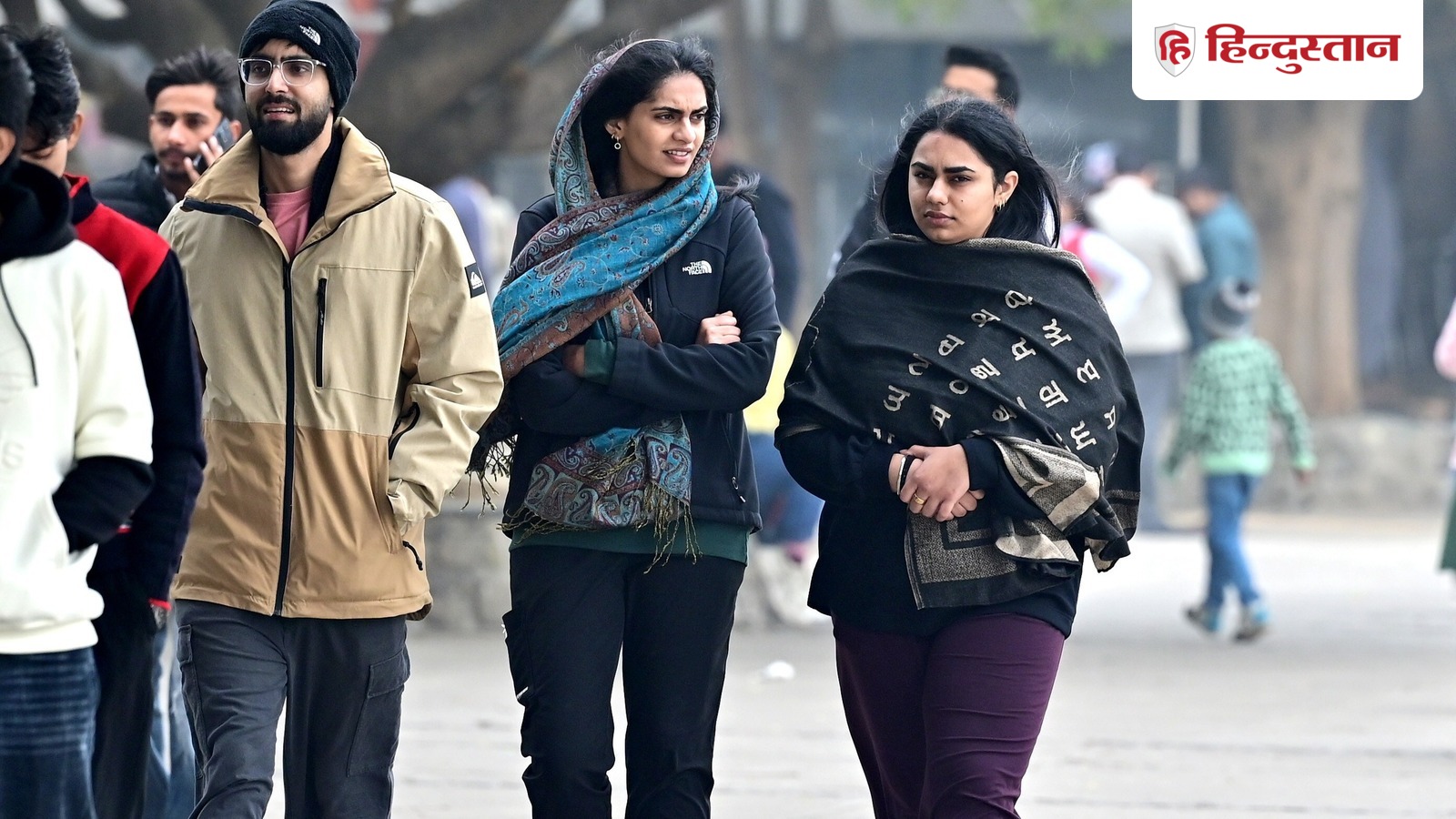
India entered 2026 under an intense spell of cold as large parts of the country recorded sharp temperature drops, dense fog and conditions defined as cold days and cold waves. The India Meteorological Department reported that the chill is likely to persist into the early days of January and that residents and authorities should prepare for continued disruption to travel and daily life.
India cold wave outlook for January 2026
The IMD seasonal outlook for December 2025 to February 2026 shows that much of northern India will remain under the influence of cold northwesterly winds, maintaining low minimum temperatures and frequent cold wave conditions. Meteorologists expect the first week of January to bring further falls in temperature in the plains, with western disturbances producing isolated rain and snow over the higher reaches.
For the north Indian plains the IMD projects minimum temperatures in the range of 7 to 12 degrees Celsius and daytime highs between 16 and 22 degrees. Cold day and cold wave spells are likely to recur across Punjab, Haryana, Delhi NCR, Uttar Pradesh, Rajasthan and Bihar. The department warned that short lived rises in minimum temperatures may be followed by renewed drops as winds turn colder again.

Regional impacts and immediate concerns
Delhi recorded one of its coldest Decembers in six years and experienced cold day conditions with both daytime and night temperatures well below normal. Persistent shallow fog in the evenings and mornings reduced visibility and affected road and air traffic. Authorities have urged commuters to allow extra travel time and to take precautions for early morning and late night journeys.
Eastern India and the Indo Gangetic plains saw dense fog warnings issued for parts of Bihar and Jharkhand where visibility fell to dangerous levels. In the northeast the sudden temperature fall in Guwahati prompted the administration to close schools for a week to protect children from the cold. Local communities relied on bonfires and warm clothing as a short term response.
Maharashtra recorded patchy light rain in Mumbai which helped lower pollution levels in some neighbourhoods. Rajasthan experienced sharp night time falls with minimums hitting single digits in several towns. The IMD has issued dense to very dense fog advisories for the state between 1 and 3 January, warning of potential road and rail disruption.
Hilly regions were not spared. Jammu Kashmir, Himachal Pradesh and Uttarakhand face continuing chances of light to heavy snowfall, particularly in the first week of the month. Tourism officials expect snow at popular hill stations but cautioned travellers about slippery roads and possible closures.
What authorities and the public should do
The IMD and local administrations have urged the public to take common sense precautions. These include avoiding unnecessary travel during hours of dense fog, checking the status of flights or trains before departure and ensuring vulnerable groups receive shelter and warm clothing. Road and rail operators have been advised to prepare for reduced visibility and slower services.
While southern India is expected to enjoy milder, largely dry conditions with daytime temperatures around 20 to 32 degrees Celsius, residents in the north and east should prepare for an extended period of winter weather. The IMD will continue issuing updates on cold wave conditions and fog advisories as the situation evolves.
Key Takeaways:
- India cold wave continues into January with widespread cold wave, dense fog and cold day conditions affecting large parts of the country.
- IMD warns of persistent cold in north and central India while hills may see snow and rain early in the month.
- Regional impacts include school closures in Assam, travel disruptions from low visibility and targeted fog alerts across Rajasthan and eastern states.








