











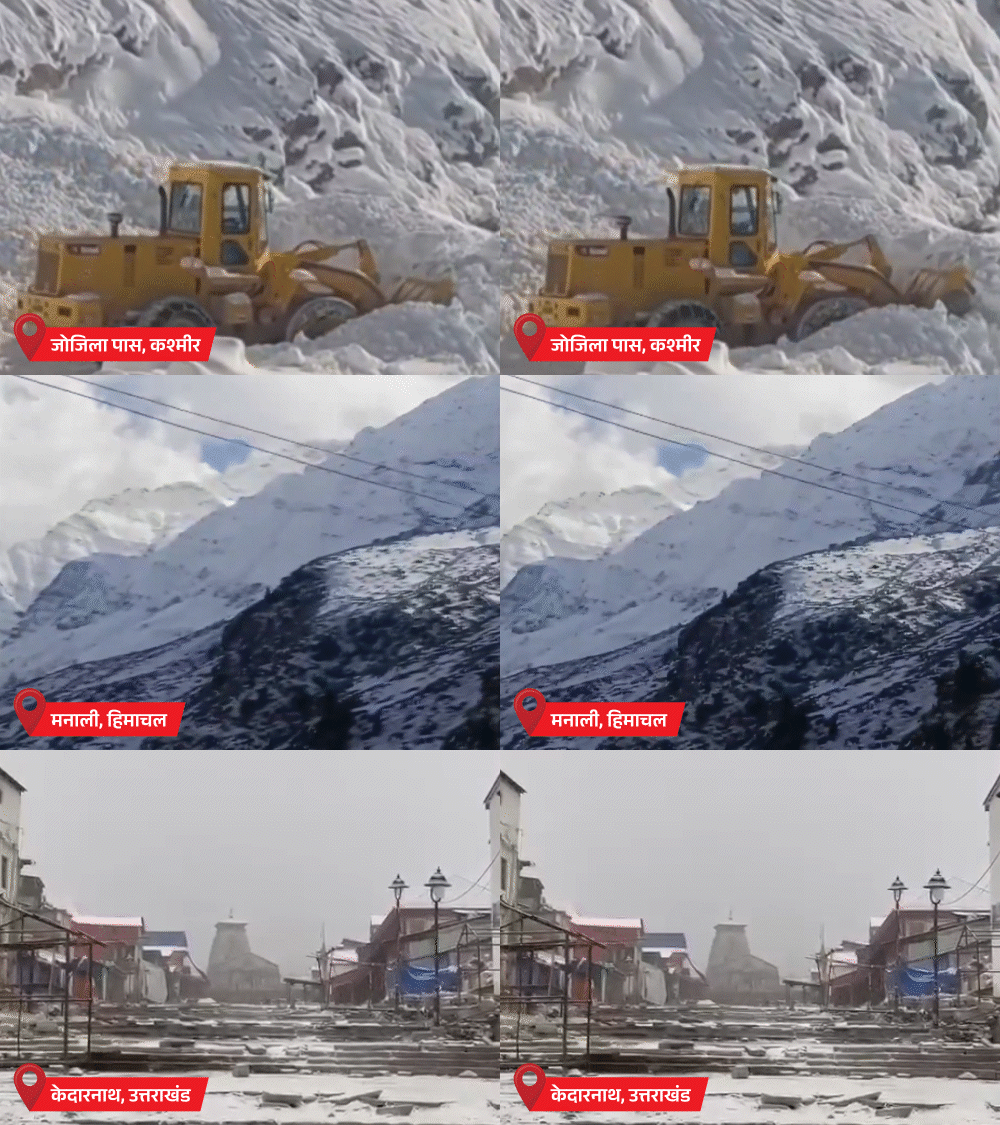
A sharp cold spell has swept large parts of India as the new year begins, with Rajasthan recording temperatures at the freezing mark for the first time this season and central states blanketed in dense fog. Authorities have issued multiple alerts while meteorologists warn of sustained cold conditions through January.
India cold wave forecast and impact
Rajasthan saw temperatures fall to 0°C on the first day of January, with the hill station Mount Abu registering readings at the freezing point. Even desert districts such as Barmer and Bikaner faced biting cold, and fog warnings were issued for ten districts including Sikar and Hanumangarh after widespread mist followed recent rains.
In central India, the India Meteorological Department (IMD) has forecast persistent dense fog over Madhya Pradesh for the next three days. The fog is expected to reduce visibility markedly, disrupting road and rail movement and raising safety concerns. Bhopal and Indore face a chance of light rain, but the IMD cautions that January may still see between 15 and 20 days of cold wave conditions, with an intense cold spell likely to begin in the second week and persist till the end of the month.

Uttarakhand experienced significant snowfall in higher reaches, with Kedarnath, Badrinath and Hemkund Sahib among the sites to record fresh snow. Temperatures in several hilly towns have dropped below zero; Badrinath recorded an extreme low of minus 13°C. Authorities in Pithoragarh and other border districts reported increased chill in lower elevations as well, prompting local administrations to prepare relief measures for vulnerable villagers and pilgrims.
Haryana, too, reported severe visibility loss in three districts. Ambala, Kurukshetra and Karnal are expected to experience near-zero visibility on affected mornings, and night temperatures are forecast to dip by two to four degrees Celsius in the short term.
Advice for travellers, farmers and local authorities
Officials have urged motorists to exercise caution on highways and to use fog lamps when visibility falls. Rail operators have been advised to maintain safe operating speeds and increase public announcements at stations. Commuters in urban areas should expect delays during peak morning hours and plan journeys accordingly.
Authorities have also asked farmers to protect standing crops from frost and to cover vulnerable livestock overnight. Local administrations in hilly regions are on alert to clear roads after snowfall and to provide emergency shelter where needed.
The IMD’s short-term outlook divides the next 48 hours into two distinct phases: plains are likely to experience dense fog on 4 January, while hill states should prepare for heavier snowfall on 5 January. Residents in affected areas are advised to follow local weather advisories and heed instructions from emergency services.
As the cold spell continues, the primary concerns remain public safety, smooth transport operations and safeguarding livelihoods in rural and high-altitude communities. With several days of low temperatures and restricted visibility forecast, state governments and disaster management teams have mobilised resources to respond swiftly to weather-related emergencies.
Key Takeaways:
- India cold wave brings freezing temperatures to Rajasthan with Mount Abu reaching the freezing point and desert districts reporting severe chill.
- Dense fog will persist in Madhya Pradesh for three days, reducing visibility and raising travel concerns across central India.
- Heavy snowfall in Uttarakhand, including Kedarnath and Hemkund Sahib, with Badrinath recording minus 13°C and several towns below zero.
- Authorities have issued fog alerts across multiple districts and advisories for motorists, commuters and farmers.








