











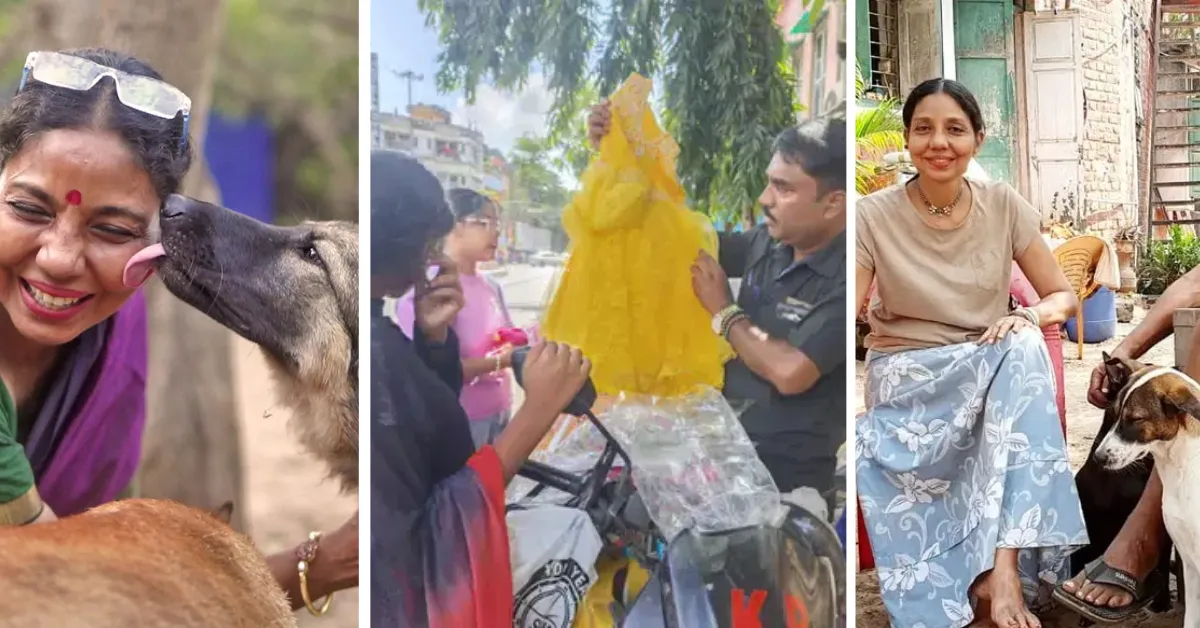
As the year ends, three grassroots efforts in India stand out for turning quiet compassion into sustained action. In Kolkata, Lucknow and at a sanctuary caring for disabled dogs, individuals used their time, savings and local networks to meet urgent needs—warmth, food and dignity—for people and animals often overlooked by formal systems.
India community heroes make tangible change
Assistant Sub-Inspector Bapon Das transformed a recurring sight into a simple solution in Kolkata. After years on the beat, he saw people sleeping at stations in thin clothes and decided to act. He began collecting donated garments and, under a city bridge, established Manobotar Dewal, a public clothes bank where anyone can take what they need without questions. The wall hangs clothes openly and offers choice and privacy to those who rely on it most. Bapon runs blood donation camps and uses personal time rather than institutional funding, arguing that willingness and persistence matter more than money.
Feeding families by hospital gates
In Lucknow, Vishal Singh turned a painful memory into a daily service. Once a caregiver who endured sleepless nights and hunger while his father was hospitalised, Vishal vowed that no one else should have to wait hungry outside a government hospital. He launched Prasadam Seva, serving free meals to patients’ families and caregivers. Initial resistance from hospitals and public scepticism gave way to support as Vishal continued to show up. Over 18 years the initiative has grown with donated rations and occasional kitchen space provided by hospitals. For many families, a hot meal becomes reassurance in a time of stress.

Giving abandoned dogs a second life
At Daaman Sanctuary, retired teacher Sarah Iyer cares for nearly 500 dogs, prioritising paraplegic, blind and elderly animals that are often abandoned. Using personal savings and the help of her husband, she built enclosures and a routine of medical care and rehabilitation. Many dogs arrive anonymously at the gate and resources are limited, yet Sarah insists that responsibility should not end because recovery looks different. The sanctuary shows that long-term care, even when costly, restores dignity and can inspire similar centres elsewhere.
These projects share a common approach: they respond to a visible need with modest but consistent effort. None began as large campaigns. Instead, each grew from an individual’s conviction and long-term commitment. They rely on volunteers, donations and local goodwill, demonstrating that small-scale, community-led action can fill gaps left by formal services.
Looking ahead, the leaders of these initiatives hope to influence others. Bapon wants more clothes banks in public spaces; Vishal aims to expand Prasadam Seva to additional districts; Sarah wishes to encourage paraplegic dog shelters in more towns. Their work shows how care, sustained over time, produces tangible results and invites communities to multiply effective, humane responses to need.
Key Takeaways:
- India community heroes from Kolkata, Lucknow and a dog sanctuary in Maharashtra offered practical care where systems fell short.
- An assistant sub-inspector created a public clothes bank; a volunteer runs free meals outside government hospitals; a retired teacher cares for nearly 500 disabled dogs.
- The initiatives rely on donations, personal time and local support rather than large funding, showing scalable, community-led solutions.








