











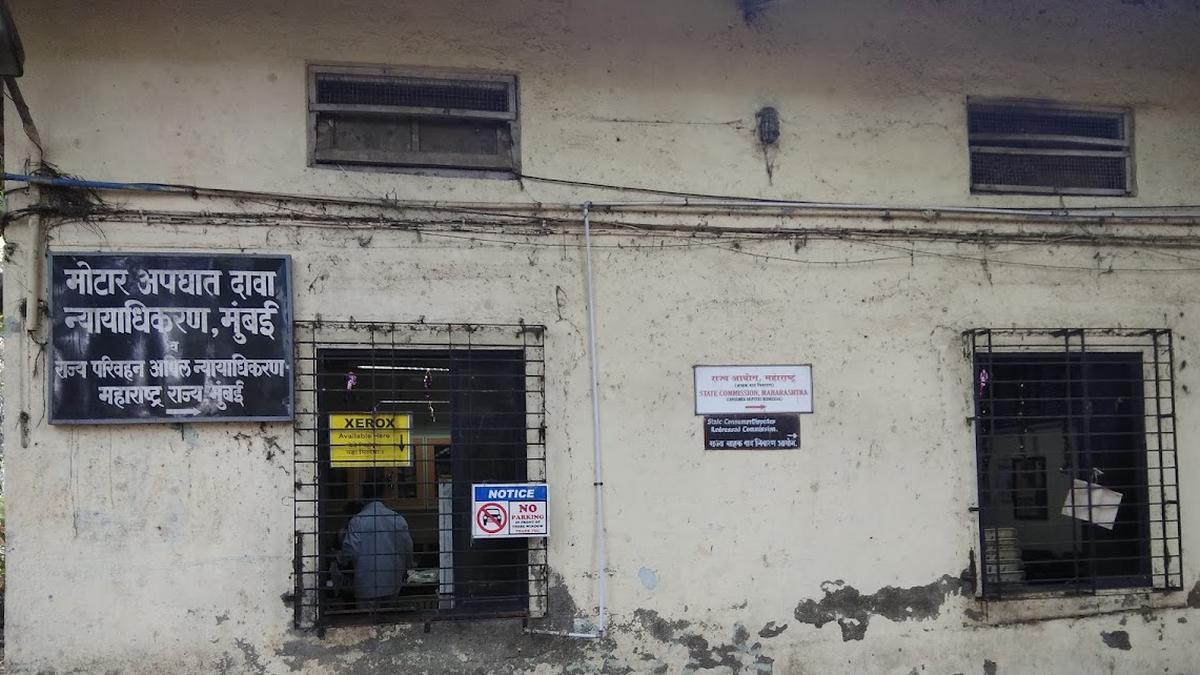
Annual spikes in road deaths around festive periods repeatedly expose a deeper legal and moral problem: compensation for loss of life on Indian roads still depends largely on measurable income rather than intrinsic human worth. Lawyers, campaigners and judges have long warned that the current approach produces stark disparities between families left bereaved by the same crash.
Motor accident compensation India and the case for a dignity floor
The Motor Vehicles Act, 1988, leaves tribunals with broad discretion to award what “appears to be just.” To bring consistency, courts adopted a multiplier method that multiplies a victim’s annual income by an age-based factor and adds fixed sums for loss of consortium, estate and funeral costs. In practice the method privileges those with formal wages while reducing homemakers, children and informal workers to token notional incomes.
That imbalance has constitutional implications. Article 14 guarantees equality before the law and Article 21 protects the right to life with dignity. When compensation fluctuates with income, critics argue, dignity becomes conditional on earnings rather than an inalienable human attribute. Recent judgments have recognised unpaid domestic work as genuine labour, but the underlying formula remains anchored to wage-based calculations.

International and domestic comparisons amplify the point. The Railways Act provides a fixed sum for the death of any passenger, and air carriage laws set uniform liabilities per passenger. On roads there is no equivalent baseline; insurers and tribunals still rely on an income-derived calculus even though Section 147 of the Motor Vehicles Act imposes unlimited liability in principle.
Reformers propose a simple adjustment: introduce a universal “dignity floor” payable in every case of fatality or grievous injury, irrespective of a victim’s earnings. Above that floor, income-linked additions would compensate for financial dependency and loss of livelihood. Separately, courts could recognise and award “dignity damages” for grief, companionship and emotional harm, with regular reviews to keep amounts aligned with inflation and social standards.
Process change matters as much as numbers. The Delhi High Court’s Motor Accident Claims Annuity Deposit model shows how integrating police, hospitals and banks can accelerate payments and reduce opacity. Streamlining evidence requirements for informal workers and recognising standard notional incomes for domestic labour would also cut litigation and delay.
Defenders of the present model argue that awards should aim to restore dependents to their previous standard of living, treating income as a neutral proxy for loss. That view fits contract law but is less convincing for social remedies intended to protect vulnerable citizens. A dignity floor would ensure all victims receive meaningful recognition, while proportional increments preserve fairness for those with dependents or higher documented losses.
Legal change will require legislative action and judicial willingness to recalibrate longstanding formulas. Policymakers face a choice between narrow arithmetic and a system that recognises every life as equally worthy of protection. Introducing a dignity floor and improving administrative mechanisms would move compensation law closer to the constitutional promise of equal treatment and human dignity.
Key Takeaways:
- Supreme Court formulas currently tie compensation to income, disadvantaging homemakers, informal workers and children.
- Proposed reform: a universal dignity floor plus income-linked additions to ensure equal recognition of all lives.
- Comparisons with rail and air laws show uniform payouts for passengers; road victims lack a similar baseline.
- Administrative reforms, such as the Delhi High Court annuity deposit model, could speed and simplify payouts.








