











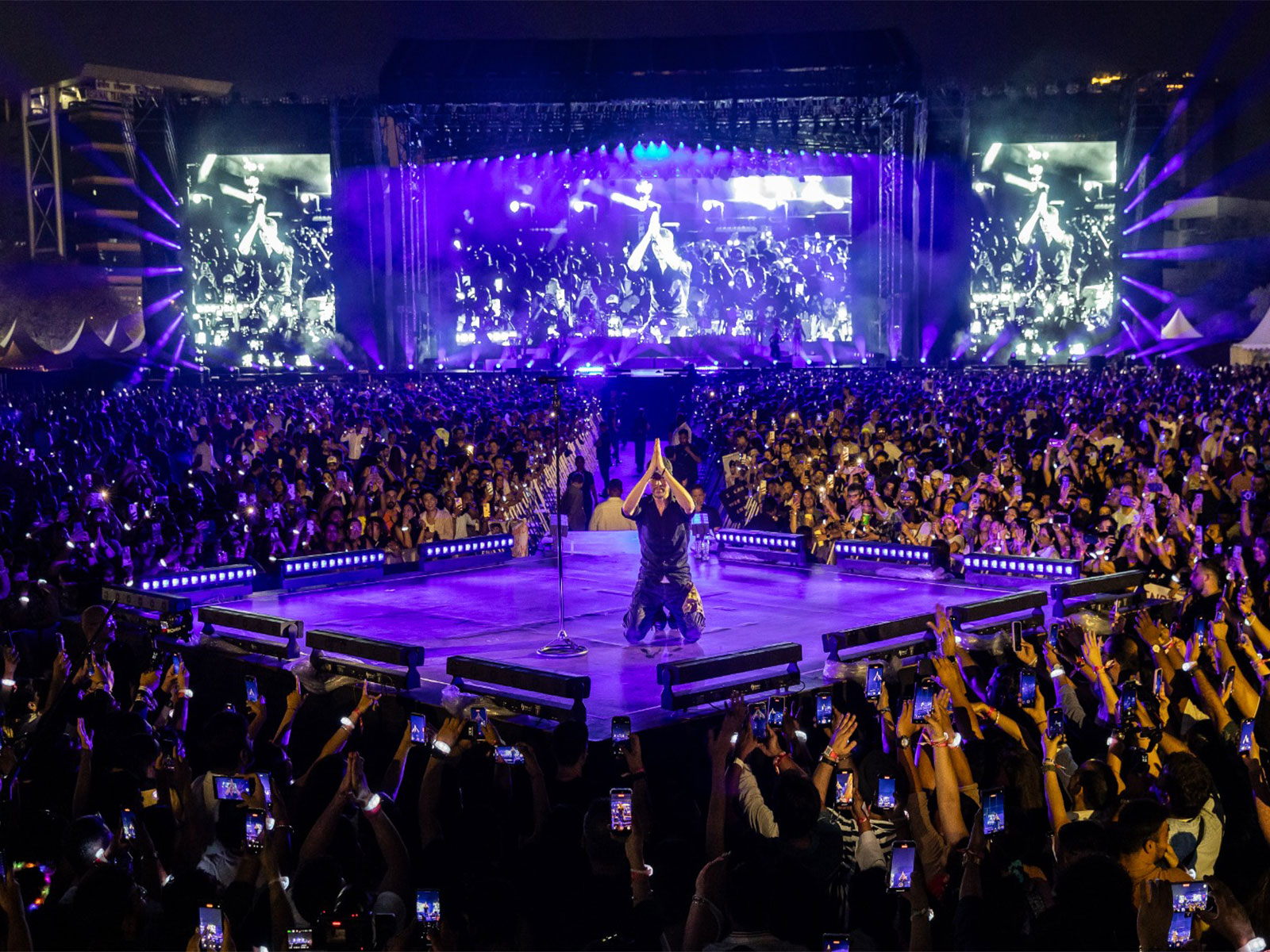
The Indian government has established a dedicated Live Events Development Cell to accelerate the country’s concert economy and support the structured growth of the live entertainment sector. Announced by the Ministry of Information and Broadcasting, the cell will act as a single‑window facilitation mechanism aimed at streamlining approvals, co‑ordinating stakeholders and attracting investment ahead of an ambitious push to place India among the world’s leading entertainment destinations by 2030.
Formed in July 2025 under the direction of Union Minister Ashwini Vaishnaw, the Live Events Development Cell brings together representatives from central and state governments, industry associations and major event companies. The initiative follows Prime Minister Narendra Modi’s address at the WAVES Summit in May 2025, where he highlighted the sector’s potential to generate investment, tourism and cultural influence.
Growth drivers for the India live entertainment sector
The organised live events market was valued at Rs 20,861 crore in 2024, recording annual growth of 15%. Industry forecasts point to a compound annual growth rate of 18%, with demand outstripping several traditional media segments. The sector already supports more than 10 million jobs across the value chain, and a single large‑format event can generate over 15,000 direct and indirect employment opportunities.

Data cited by the Ministry highlights a rapid expansion beyond metropolitan centres. Tier‑2 and Tier‑3 cities are emerging as important cultural hubs. A BookMyShow report for 2025 noted that Visakhapatnam saw a 490% increase in live entertainment footfalls. North‑eastern cities also registered strong growth, with Shillong up 213% and Guwahati up 188%. Overall consumption across musical concerts, sport and theatre rose by 17%, while more than 500,000 people travelled to other cities to attend events.
Industry executives say the market is maturing. Deepak Choudhary, Co‑Founder and Managing Director of Eva Live, pointed to performances by global artistes such as Enrique Iglesias and large multi‑city tours by Indian stars including Arijit Singh and A R Rahman as signs of increased confidence among promoters and international acts.
To address infrastructure bottlenecks, the LEDC has set up a Joint Working Group with private stakeholders, including District by Zomato. The collaboration will focus on logistics, venue standards, city‑level planning and measures to improve the ease of doing business for promoters and suppliers. Recent large‑scale events such as Rolling Loud India 2025, which attracted 65,000 attendees over a single weekend, are cited as examples of the returns from targeted infrastructure investment.
The Live Events Development Cell has set a clear set of targets. Officials aim to double the size of the organised live events market and create between 15 and 20 million jobs across the ecosystem. The cell will also co‑ordinate with state governments to develop regional strategies that leverage local talent, venues and cultural festivals.
By providing a single point of contact for approvals and industry engagement, the government expects the LEDC to reduce friction for organisers and encourage multi‑city tours, attract foreign promoters and strengthen India’s position in the global live entertainment market. If successful, the initiative could deliver a significant boost to tourism, local economies and employment in the coming years.
Key Takeaways:
- The government has formed the Live Events Development Cell to streamline the India live entertainment sector and attract investment.
- The organised market was valued at Rs 20,861 crore in 2024 and is forecast to grow at an 18% CAGR.
- The LEDC aims to double sector size, generate 15–20 million jobs and position India among the top five global live entertainment hubs by 2030.
- Tier‑2 and Tier‑3 cities are driving growth, with Visakhapatnam, Shillong and Guwahati recording sharp increases in event footfalls.








