











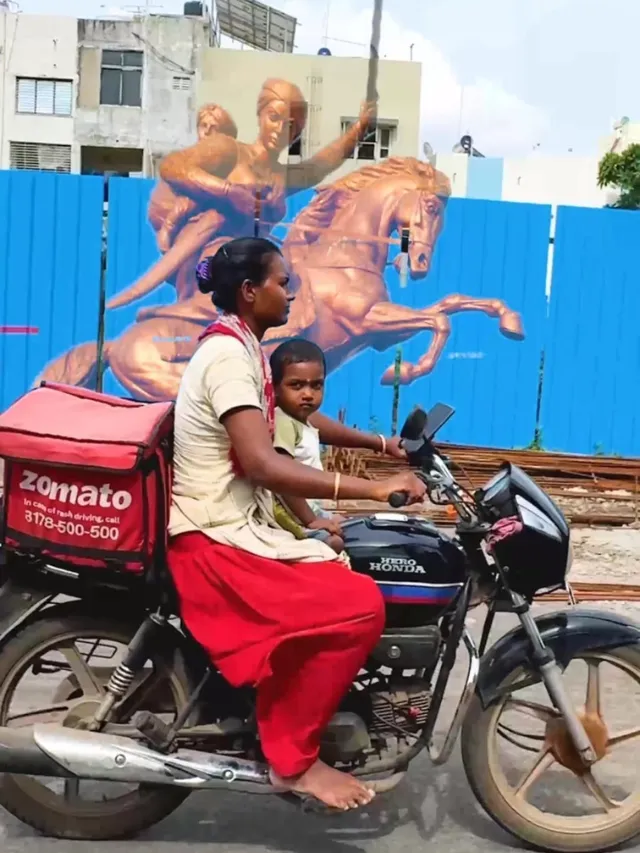
Delivery executives across India have staged a nationwide strike today, drawing attention to the people who keep the country’s on-demand economy moving. The action, called by workers and supported on social media, halted many orders and prompted commuters and customers to reflect on the labour behind a simple meal or parcel.
India delivery strike brings personal stories to light
The strike is not only a disruption of services. It is a reminder that every order is fulfilled by a person balancing multiple pressures. Several first-hand accounts published alongside the strike paint a picture of long hours, unpredictable income, and the constant calculation of risk on busy city streets. By pausing deliveries, workers hope to shift public conversation from convenience to dignity.
Organisers have called for clearer pay structures, better safety measures and a fairer share of earnings from the platforms that mediate orders. Riders cite sudden changes to incentive schemes, rising fuel costs and a lack of social protections as reasons for collective action. For many, the strike is a last resort after repeated attempts to negotiate directly with companies.

Those stories make the issue tangible. A rider who supports a young family explained how inconsistent incentives can leave a household unable to plan for rent. Another recounted near misses on poorly lit routes and the absence of support after accidents. These accounts underline how day-to-day operational policies translate into real-world hardship for many delivery workers.
Public reaction to the strike has been mixed. Some customers expressed frustration at delayed or cancelled orders, while others expressed solidarity and urged companies to re‑examine their treatment of delivery staff. Civic groups and labour advocates have used the moment to call for legal protections and for platform companies to enter meaningful dialogue with worker representatives.
Practical demands include transparent pay models, coverage for medical emergencies, and clearer grievance mechanisms. Advocates argue that responsible platform governance would reduce turnover and improve service quality in the long term. Companies contend they are investing in technology and incentives, but workers say those measures remain insufficient or insufficiently consistent.
The strike also raises broader questions about how an economy that increasingly relies on app-based labour can ensure decent work. Policymakers face a choice between relying on market-driven fixes or setting out regulatory standards that protect income security and safety. Labour experts say hybrid approaches — combining regulation with industry-level agreements — are the most likely route to sustainable change.
For customers, the strike offers a simple test of values. A moment without deliveries can prompt a renewed appreciation for the labour required to provide instant convenience. For companies and regulators, it is an urgent signal that the status quo may not be tenable as more workers join the platform economy.
As negotiations proceed, the personal stories shared today are likely to shape public expectations. Whether that leads to concrete policy shifts or reformed corporate practices will depend on sustained pressure from workers, consumer support, and political will. Until then, the faces behind each packed parcel remind the nation that labour matters as much as logistics.
Key Takeaways:
- Nationwide India delivery strike highlights working conditions and calls for respect for delivery executives.
- Personal stories show the economic and social pressures faced by workers and why public empathy matters.
- Organised action aims to press platforms and policymakers for fairer pay and safer working conditions ahead of talks.








