











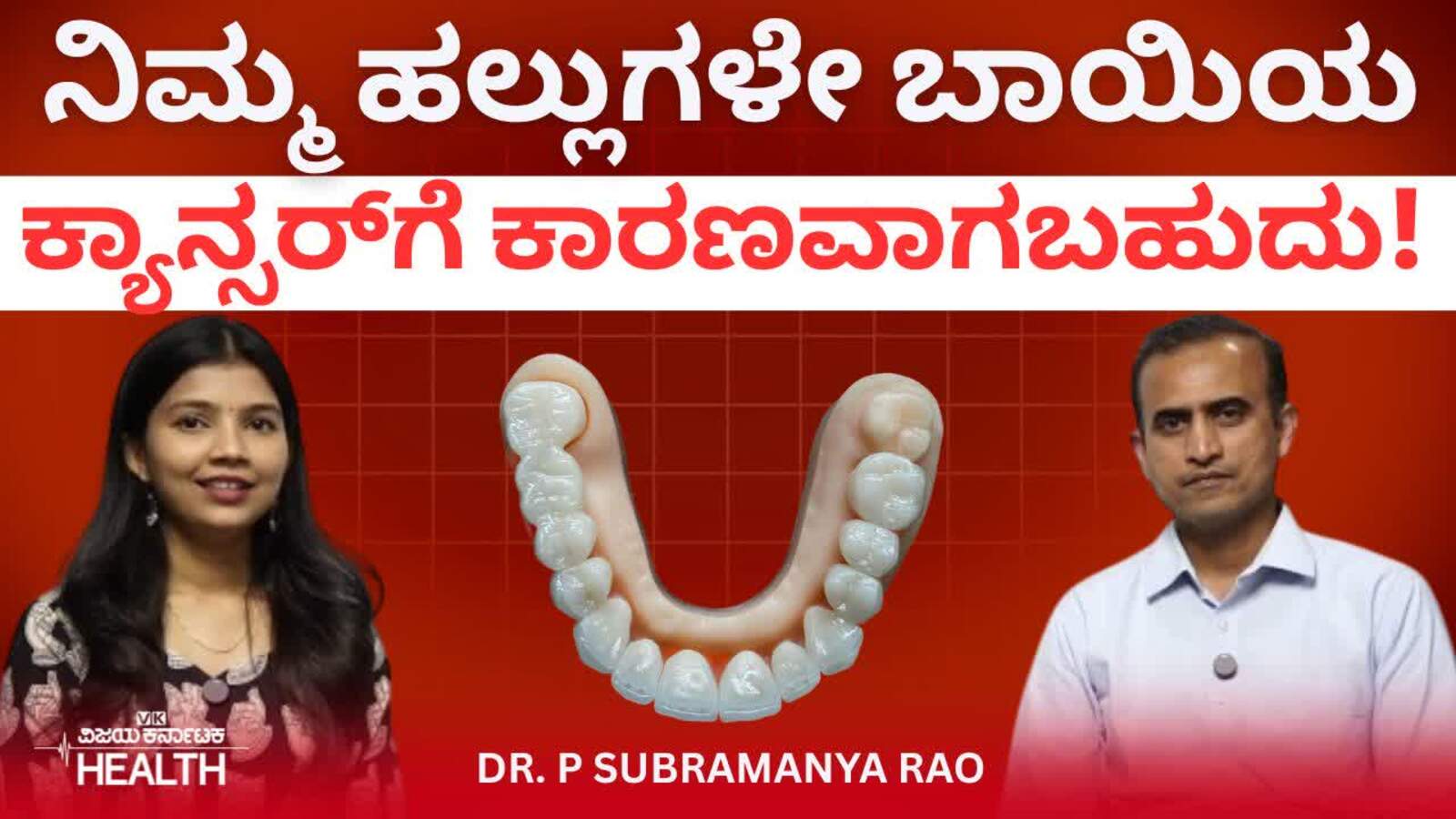
A leading cancer specialist in India has urged greater public awareness of mouth cancer, highlighting tobacco consumption as the principal risk factor but warning that a range of other causes can also contribute. Dr P Subramanya Rao stresses that early detection and timely treatment dramatically improve survival and quality of life.
Mouth cancer causes and symptoms
Tobacco use remains the single biggest cause of mouth cancer. Dr Rao emphasises that tobacco is consumed in many forms in India, including smoking and various smokeless products, and all increase the risk of malignant changes in the oral lining. He also notes that chronic irritation from broken teeth, poorly fitting dentures or persistent mouth ulcers can create conditions that favour the development of oral cancer.
Common early symptoms include non-healing ulcers, persistent pain or numbness in the mouth, white or red patches on the tongue or cheek, unexplained bleeding and difficulty chewing or swallowing. While many mouth ulcers are benign, Dr Rao warns that any lesion that does not heal within two weeks should be evaluated by a medical professional.

Prevention and early detection
Preventive measures focus first on eliminating tobacco consumption. Public education, cessation programmes and stricter controls on tobacco products can reduce incidence over time. Regular dental checks and oral cancer screening, particularly for those who use tobacco or alcohol, allow clinicians to spot suspicious lesions earlier.
Dr Rao recommends that primary care doctors and dentists receive routine training to identify warning signs and to refer patients promptly to specialist teams. Community outreach and visual screening camps can reach populations that rarely access formal healthcare.
Treatment options and patient care
Treatment depends on the stage and location of the tumour. Early-stage mouth cancer is often treated surgically with the aim of complete removal while preserving function. Advanced cases may require a combination of surgery, radiotherapy and chemotherapy. Multidisciplinary care involving surgeons, medical oncologists, radiation oncologists, reconstructive specialists and speech and swallowing therapists is crucial for optimal outcomes.
Dr Rao points out that rehabilitation and support services improve recovery. Nutritional support, physiotherapy and counselling help patients manage the physical and psychological effects of treatment, and follow-up surveillance is necessary to detect recurrences early.
What patients should do
Anyone who notices persistent mouth ulcers, new lumps, unexplained bleeding, or difficulty speaking, chewing or swallowing should seek clinical assessment without delay. Quitting tobacco and moderating alcohol intake reduce risk. Good oral hygiene, prompt dental care for broken teeth or ill-fitting prostheses, and regular screening for those at risk remain the best defence against mouth cancer.
In a recently published video, Dr P Subramanya Rao summarises practical advice on prevention and the pathways for treatment. His message is clear: education, early detection and coordinated care save lives.
Key Takeaways:
- Mouth cancer is strongly linked to tobacco use in its many forms; early detection improves outcomes.
- Poor oral hygiene, ill-fitting teeth or dentures can increase risk and persistent ulcers should be evaluated by a clinician.
- Prevention focuses on quitting tobacco, regular screening and prompt referral; treatment may include surgery, radiotherapy and chemotherapy.








