











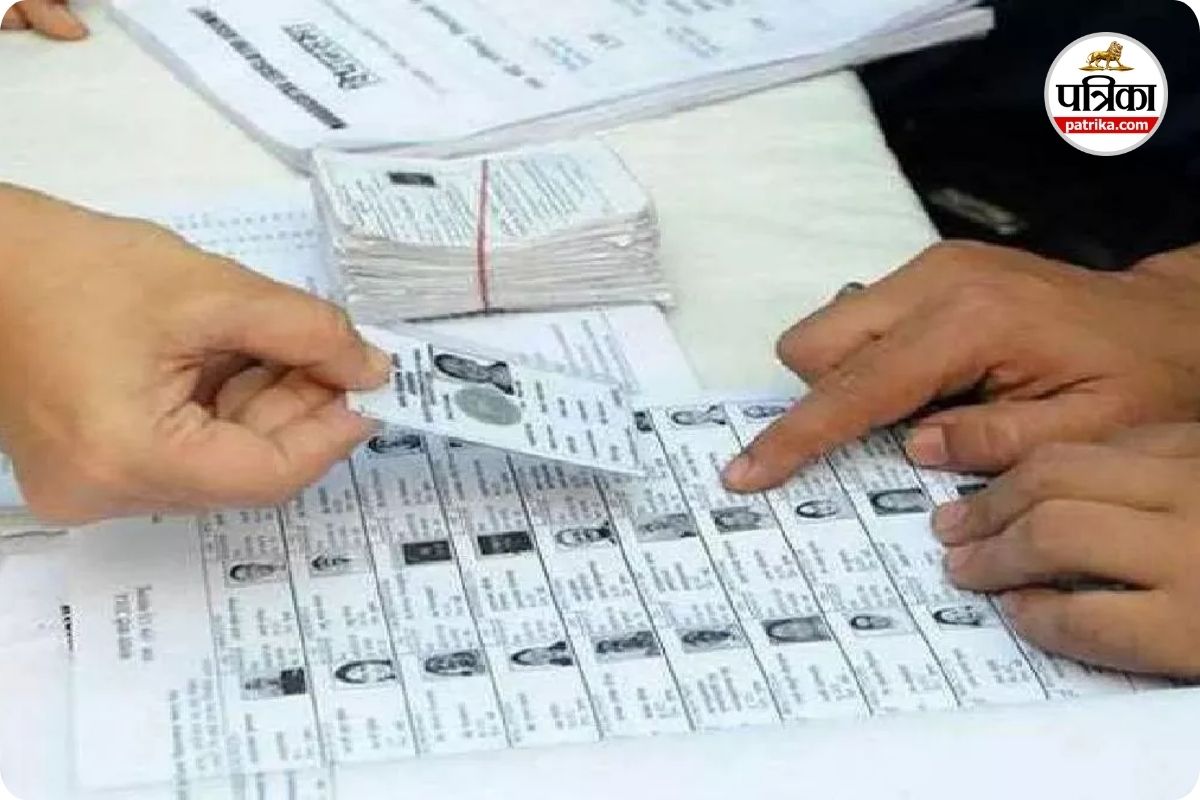
The Election Commission of India has issued directives to grant exemptions from Special Summary Revision (SIR) hearings to several vulnerable groups in West Bengal, a move designed to protect voter inclusion and prevent inadvertent disenfranchisement. The decision covers sannyasis (religious ascetics), sex workers, members of tribal communities, older voters, pregnant women and those who are seriously ill.
According to the commission’s guidance, the named categories will not be required to attend SIR hearings in person. Their names will remain on the electoral rolls unless there is clear evidence to the contrary. The step seeks to recognise the practical and social barriers some citizens face when asked to appear at official hearings, particularly during the periodic revision of voters’ lists.
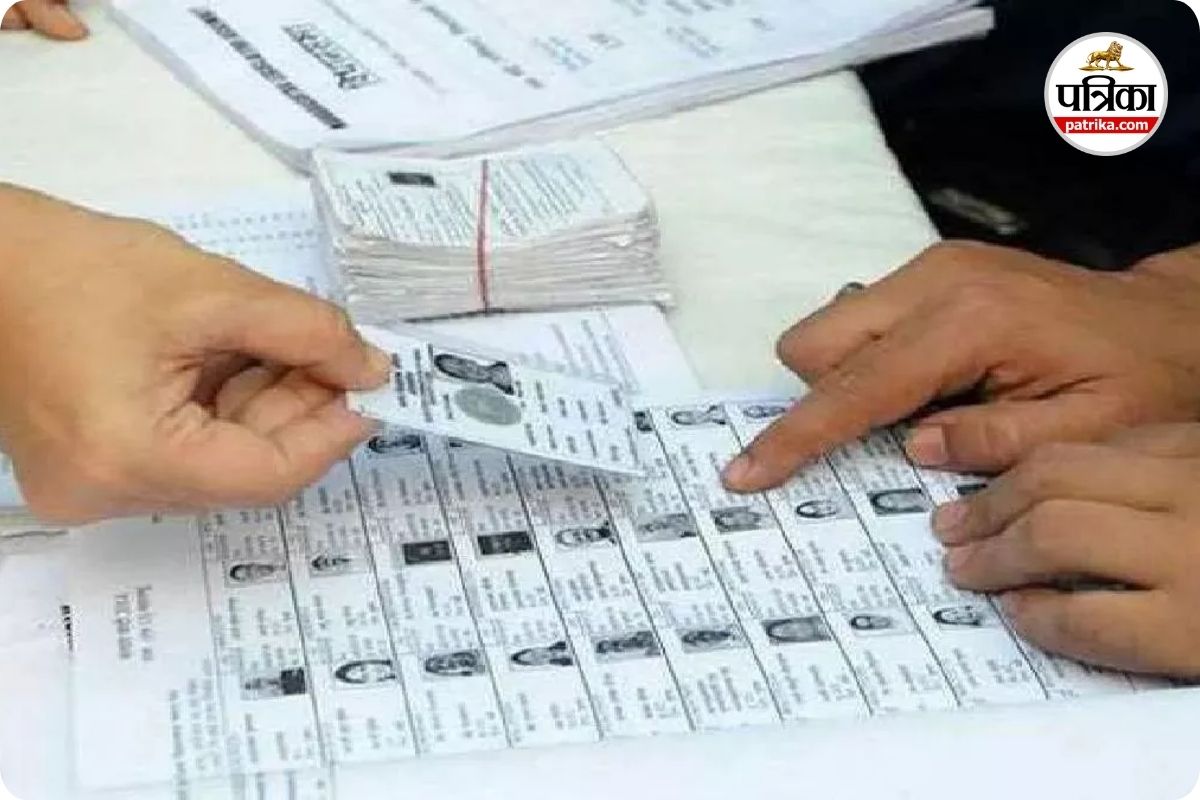

SIR hearing exemption strengthens voter inclusion
The Special Summary Revision process is a routine but crucial exercise in maintaining accurate electoral rolls. It typically involves hearings where individuals may be asked to confirm their registration details. By ordering targeted exemptions, the commission aims to preserve the participation of groups who may be unable or unwilling to attend hearings because of social stigma, mobility limits or health conditions.
Election officials in West Bengal have been asked to implement the directive with sensitivity and clear instructions. Local returning officers will need to record exemptions and ensure that eligible voters are not removed from the rolls solely for failing to attend a hearing. The commission has emphasised that the measure is not a blanket protection from scrutiny but a calibrated response to protect electoral rights while maintaining the integrity of the register.
Experts and civil society groups welcomed the move as a practical measure to reduce barriers to voting. Advocacy groups said the exemption acknowledges real-world constraints faced by marginalised populations, including fear of discrimination and the logistical difficulties of travel. Ensuring these voters remain registered supports broader democratic participation and can help build public confidence in electoral administration.
At the same time, election authorities will need robust procedures to verify claims and prevent misuse. The commission has indicated that exemptions should be granted based on clear, documented criteria and that returning officers must maintain records of decisions. Officials will also be encouraged to conduct outreach to affected communities, explaining the exemption and how it preserves their voter status without forcing attendance at hearings.
Implementation challenges are likely, particularly in ensuring consistent application across districts and avoiding administrative errors that could either wrongly remove or wrongfully retain names on the rolls. Observers will watch how the state election apparatus balances inclusivity with safeguards against manipulation.
Overall, the SIR hearing exemption directive in West Bengal reflects a pragmatic approach to electoral administration, prioritising access and dignity for vulnerable voters while retaining mechanisms for verification. As the policy rolls out, attention will turn to whether it successfully reduces disenfranchisement and becomes a model for other states reviewing their revision procedures.
Key Takeaways:
- Election Commission of India orders SIR hearing exemption for specific vulnerable groups in West Bengal.
- Exemptions apply to sannyasis, sex workers, tribal communities, the elderly, pregnant women and the seriously ill, ensuring their names remain on voter rolls.
- The measure aims to prevent disenfranchisement and improve access during the Special Summary Revision process.








