











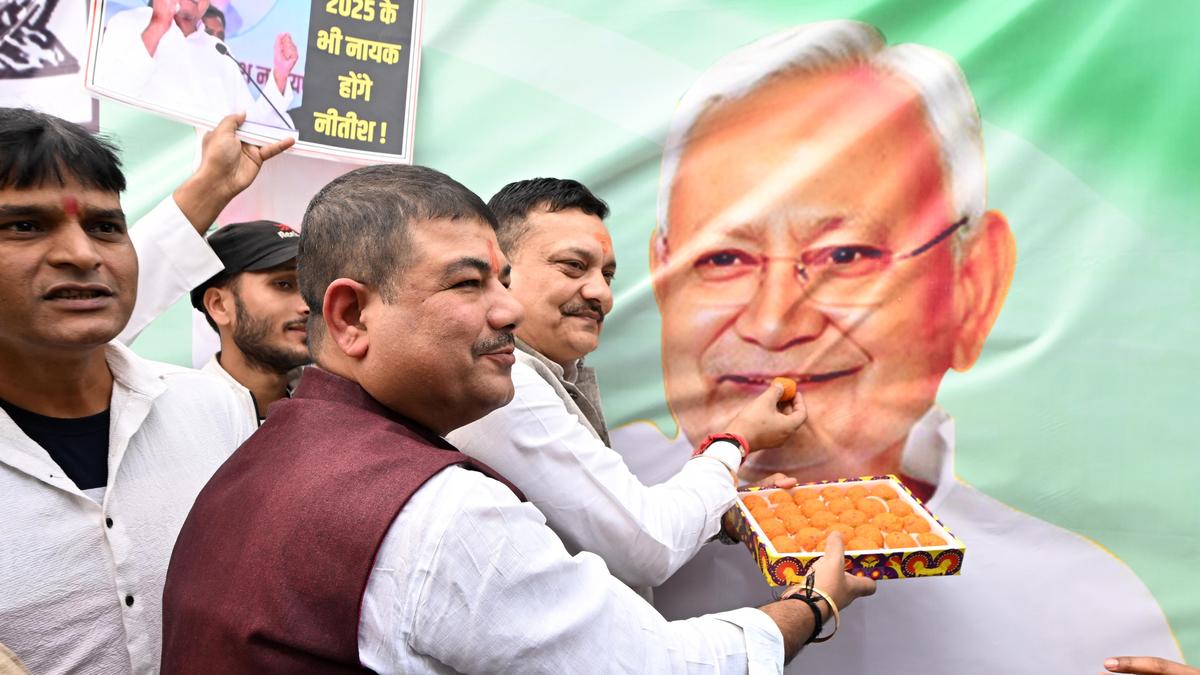
The 2025 electoral cycle in India produced a series of striking outcomes that reshaped state-level politics and offered fresh momentum to the Bharatiya Janata Party (BJP) and its allies while providing the Opposition with selective gains.
The BJP returned to power in Delhi after a 26-year absence, securing 48 of the Assembly seats and ending the Aam Aadmi Party’s 12-year administration. Rekha Gupta became Delhi’s fourth female Chief Minister, and key AAP leaders, including Arvind Kejriwal and Manish Sisodia, were defeated. The Congress failed to win any seats in the capital.
India elections 2025 key takeaways
In Bihar, the National Democratic Alliance recorded a comprehensive victory, taking 202 of the 243 Assembly seats. The BJP emerged as the largest single party within the NDA with 89 seats, while Janata Dal (United) secured 85 seats, enabling Nitish Kumar to begin a tenth term as Chief Minister. The Rashtriya Janata Dal won the highest vote share but translated that into only 25 seats. Analysts pointed to targeted welfare schemes, including a women’s employment programme, as factors boosting the ruling coalition’s appeal among voters.

Kerala’s local body elections were widely viewed as a bellwether ahead of the 2026 Assembly polls. The United Democratic Front, led by Congress, scored a decisive victory across panchayats, municipalities and corporations. The Left Democratic Front, which had held multiple corporations in 2020, was reduced to a single corporation this cycle. The BJP also recorded a notable breakthrough by winning the Thiruvananthapuram corporation for the first time.
In Assam’s Bodoland Territorial Council, the Bodoland People’s Front swept to power, winning 28 of 40 seats and displacing the BJP and the United People’s Party Liberal from the autonomous council. The result underscored the shifting dynamics of regional politics and the importance of local alliances.
At the municipal level, the Mahayuti coalition maintained a leading position, capturing 207 of the 288 municipal council and nagar panchayat seats contested. The BJP won the largest share among Mahayuti partners, with the Shiv Sena and NCP also recording significant tallies. Meanwhile, the opposition Mahavikas Agadi managed only 44 seats.
Several by-elections produced unexpected turns. In Rajasthan, former minister Pramod Jain reclaimed the Anta Assembly seat from the BJP following a disqualification. Tamil Nadu’s Erode East returned a strong victory for the DMK, and Kerala’s Nilambur bypoll saw Congress candidate Aryadan Shoukath win with a comfortable margin after the resignation of the sitting MLA.
Across states, these contests reflected a mix of national-level influence and local issues. Welfare schemes, candidate selection and regional alliances played central roles in many outcomes. The 2025 results will inform party strategies ahead of the 2026 Assembly elections in several states and offer a snapshot of shifting voter priorities at the grassroots level.
As India prepares for further electoral tests, parties will be assessing these results to refine campaign approaches and alliance-building ahead of the next round of polls.
Key Takeaways:
- India elections 2025 saw the BJP return to power in Delhi and lead the NDA to a strong result in Bihar.
- The Congress-led UDF scored a decisive victory in Kerala local bodies, while the BJP won Thiruvananthapuram corporation for the first time.
- Bodoland elections ousted the NDA in Assam’s BTC and several bypolls produced surprise outcomes across states.
- Mahayuti retained a lead in municipal contests, signalling continued regional strengths for the BJP and its allies.








