











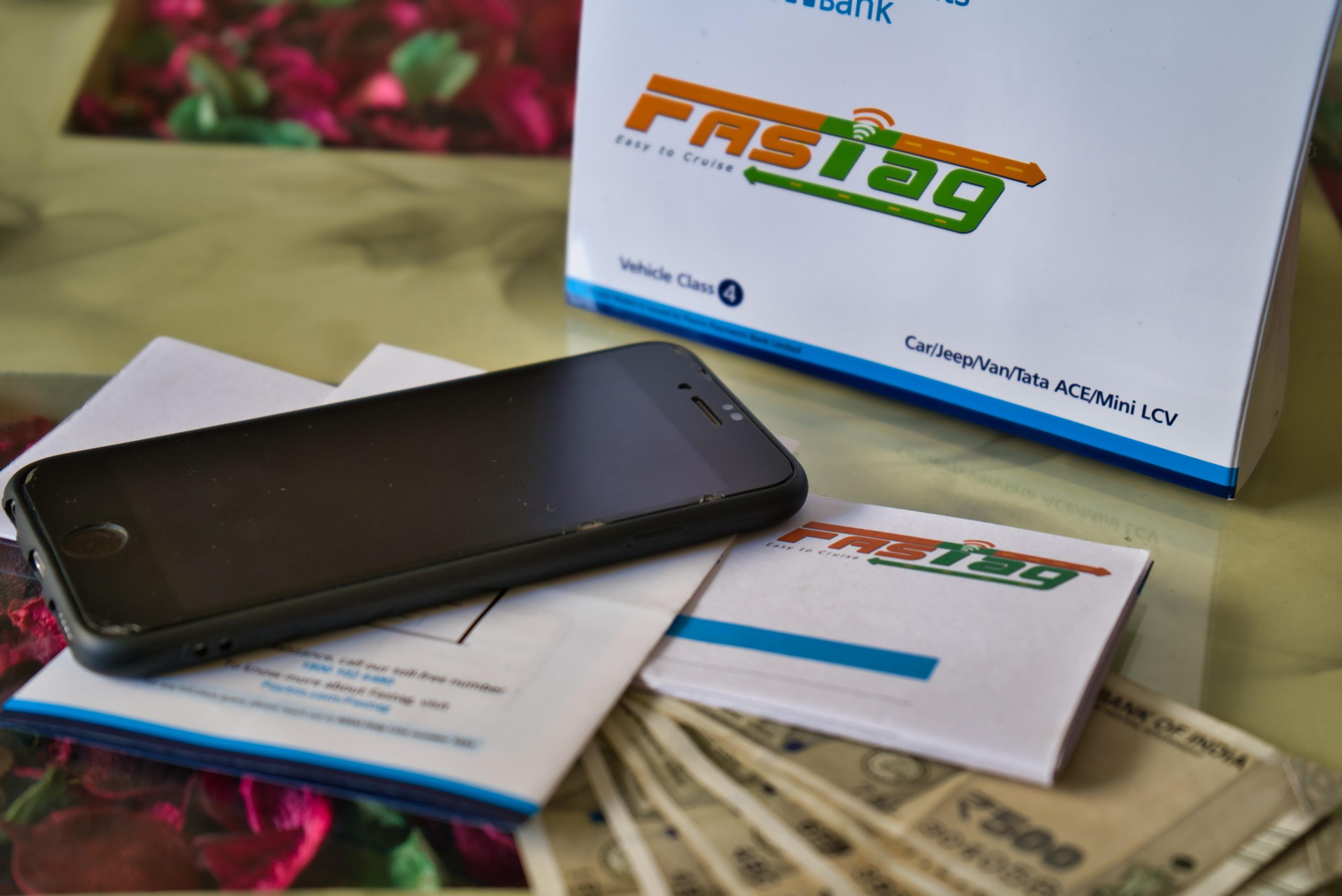
The National Highways Authority of India has announced that routine post-activation Know Your Vehicle checks will be discontinued for new FASTag issuances from 1 February. The move is intended to remove the post-activation hassle faced by road users and ensure that tags are issued only after vehicle verification is completed.
India FASTag KYV checks to be completed before activation
KYV, or Know Your Vehicle, is a verification step designed to ensure that a FASTag is correctly mapped to a legitimate vehicle and owner. The process involves matching vehicle registration details against the VAHAN database and checking for existing active tags or blacklisting. Under the new rules, banks and issuers must complete these checks before activating a FASTag.
Previously, some FASTags were activated first and users were asked to complete KYV afterwards. That post-activation practice will end. Issuer banks will now verify vehicle details on VAHAN prior to activation. If a vehicle’s records are not found on VAHAN, banks are required to verify details from the vehicle registration certificate and will bear full responsibility for the accuracy of that verification.

For customers, the change should mean fewer follow-up calls, fewer trips to service centres and a smoother experience at toll plazas. FASTags purchased online will also be subject to the same pre-activation verification standards, ensuring consistency across channels.
Existing FASTags will not be subjected to routine KYV checks. KYV will be required only in specific cases where complaints are raised, for example when tags are loose, issued incorrectly or suspected of misuse. In the normal course, motorists holding active FASTags should not expect to be contacted for routine verification.
The NHAI has stressed that these measures are intended to make the FASTag system simpler and more transparent while maintaining safeguards against fraud. By shifting responsibility to issuing banks to perform ahead-of-time checks, the authority expects to reduce errors, speed up activations and lower the volume of user complaints.
Operationally, the tightened rule set means banks must strengthen their data checks and compliance procedures. Most verifications will be automated through the VAHAN interface, but manual checks against registration certificates will remain a fallback in exceptional cases. Banks that fail to perform due diligence will be held accountable for any resulting problems.
Industry observers say the change aligns with broader efforts to make digital tolling more user-friendly and less dependent on post-sale processes. Motorists who experienced delays after activation should see immediate improvements once the new regulations take effect.
While the policy is primarily a consumer convenience measure, it also carries administrative benefits: fewer complaint investigations, clearer accountability and a more reliable database of tagged vehicles. For a system that processes millions of transactions across the national highway network, those improvements could translate into smoother journeys for lakhs of users every day.
Motorists are advised to ensure their vehicle documents are in order and to purchase FASTags from authorised issuers. Any issues after activation should be reported through the issuer bank’s grievance channels so that KYV checks can be triggered where necessary.
Key Takeaways:
- NHAI ends routine post-activation KYV for new FASTag issuances from 1 February to simplify toll use.
- India FASTag KYV checks must be completed by banks against VAHAN before activation, with RC verification if data is missing.
- Existing FASTags will not need KYV unless complaints arise, reducing repeat user contact and delays.
- Measure aims to make FASTag operations more transparent, technology-driven and complaint-free for motorists.








