











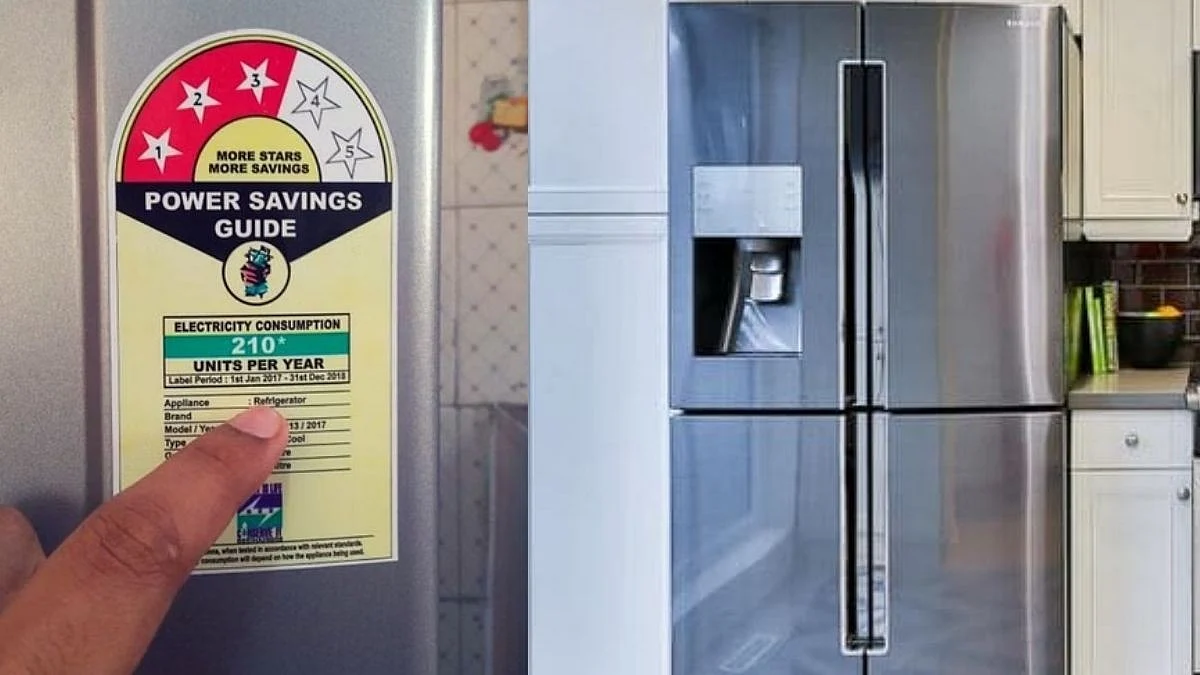
From 1 January, India will require energy efficiency star labels on a broad range of household and industrial appliances, the Bureau of Energy Efficiency (BEE) has announced in an official Gazette notification. The move aims to strengthen consumer information, drive energy savings and reduce emissions by making performance ratings mandatory rather than voluntary for many devices.
India energy efficiency star rating expansion details
The mandatory labelling regime will apply to refrigerators, televisions, LPG gas stoves and cooling towers, alongside additional items such as deep freezers, distribution transformers and grid-connected solar inverters. Until now, several of these categories were subject to voluntary star ratings; the new rule brings them within the compulsory framework.
Previously, the BEE had made star labelling mandatory for a number of products including room air conditioners with fixed and variable speed drives, electric ceiling fans, stationary electric storage water heaters, washing machines and tubular fluorescent lamps and self-ballasted LED lamps. Other appliances such as frost-free refrigerators, direct-cool refrigerators, certain types of air conditioners and ultra-high-definition televisions had their ratings on a voluntary basis. That has now changed.

Officials said the Gazette notification is intended to broaden the reach of the energy labelling programme and to provide clearer guidance to consumers at the point of purchase. By standardising how efficiency is displayed, buyers can compare models more easily and favour those that use less electricity, lowering household energy bills and reducing strain on the grid.
The BEE will continue to review and update the list of appliances that require mandatory star labelling. An official who did not wish to be named said the list would be revised periodically to reflect advances in technology, market trends and national energy priorities.
Manufacturers and importers will be expected to comply with the new labelling requirements from the start of the year. Compliance is likely to involve testing, certification and the affixing of the BEE star label to product packaging and promotional material. Enforcement mechanisms and penalties for non-compliance were not detailed in the notice, and industry associations have been advised to consult the full Gazette for implementation timelines.
Energy efficiency labelling has been a central instrument of India’s efforts to curb rising electricity demand and to meet climate commitments. By making labels mandatory across a wider range of appliances, policymakers seek to accelerate the adoption of higher-efficiency products and to improve the overall performance of the electrical system.
Industry reactions are expected to vary. Some manufacturers may welcome the clarity and the potential market shift towards premium, efficient models, while others may face increased compliance costs. Consumer groups, meanwhile, have generally supported stronger labelling measures as a means to protect buyers and promote long-term savings.
Retailers and distributors should prepare for the change by ensuring inventory meets labelling standards and that sales staff can explain the implications of star ratings to customers. For households, the broader mandatory labelling regime should make it simpler to choose appliances that offer better efficiency and lower running costs over time.
The BEE’s announcement represents a step toward more transparent energy markets in India and aligns with global efforts to reduce energy consumption through improved product standards. Consumers and industry stakeholders will watch closely as the new requirement comes into force at the start of the new year.
Key Takeaways:
- India energy efficiency star rating becomes mandatory from 1 January for refrigerators, televisions, LPG stoves and cooling towers.
- The Bureau of Energy Efficiency’s Gazette notification also covers deep freezers, distribution transformers and grid-connected solar inverters.
- The list of mandatory appliances will be periodically updated to expand consumer protection and improve national energy savings.








