











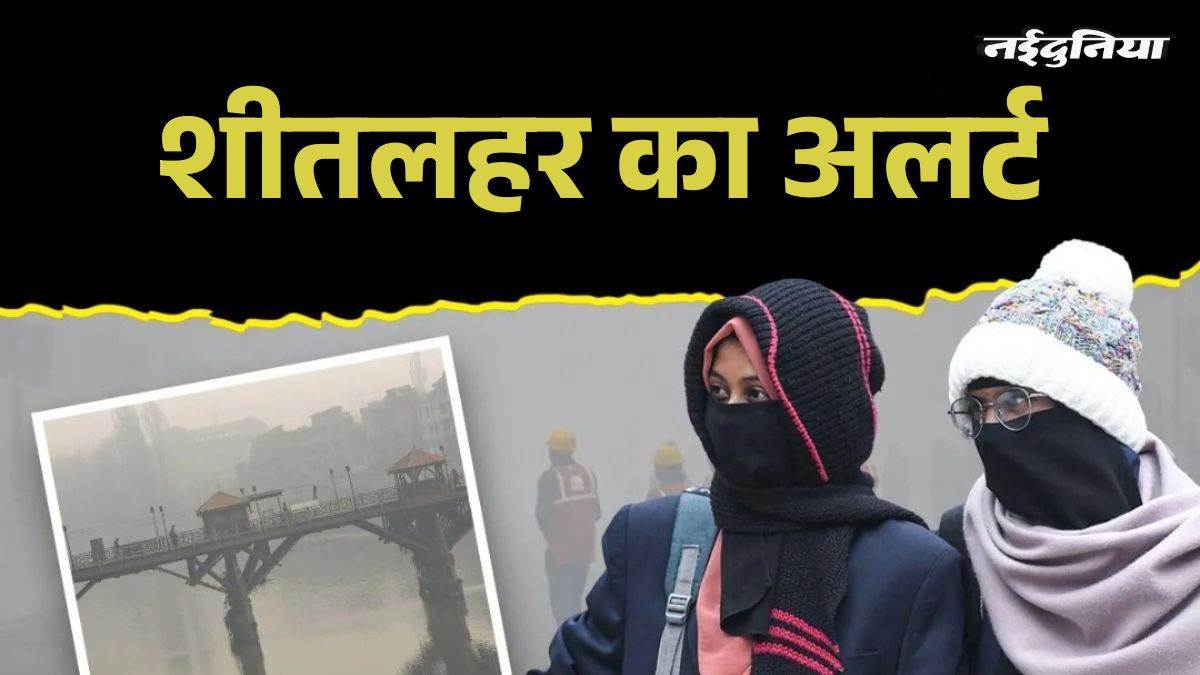
A severe cold wave sweeping parts of India has prompted state authorities to issue urgent advisories warning of potentially life‑threatening conditions. Meteorological departments and local administrations have urged citizens to take precautions as temperatures plunge, particularly in the northern and central regions.
India cold wave alert – what to expect
Meteorologists have forecast persistently low night‑time temperatures for the coming days, with isolated pockets likely to experience the most extreme chill. The advisory highlights that the elderly, children and people with pre‑existing medical conditions face the highest risk from prolonged exposure to the cold. Health departments have emphasised that hypothermia and respiratory illnesses may rise if communities do not follow recommended measures.
State governments have activated contingency plans, opening temporary shelters and ensuring that emergency medical services remain on standby. Local officials are distributing information about safe heating methods and warning against the use of unsafe indoor heating that can cause fires or carbon monoxide poisoning. Schools in some affected districts have been advised to modify timings or remain closed when conditions are particularly severe.

Health officials advise layering clothing, keeping living spaces dry and warm, and checking on vulnerable neighbours and relatives. For infants and small children, extra bedding and warm clothing are recommended. People with chronic respiratory or cardiovascular conditions should have sufficient medication and seek early medical attention if symptoms worsen. Pregnant women and homeless populations are also emphasised as priority groups for outreach and sheltering.
Transport authorities have cautioned that the cold may cause disruptions to road and rail services, particularly during early morning hours when fog and ice can reduce visibility. Commuters are advised to allow extra travel time and to avoid non‑essential journeys in the worst affected areas. Local police and disaster response teams will coordinate to keep critical routes clear and to assist stranded travellers.
Public health messaging includes basic but essential measures: avoid prolonged exposure to outdoor cold, use safe heating options, ventilate spaces when using combustion heaters, and seek medical help promptly for symptoms such as breathlessness, severe chest pain or confusion. Community centres and NGOs are coordinating with government agencies to identify people in need of heating assistance and to supply warm clothing and blankets where required.
Officials stress that timely preparation can significantly reduce the risk of fatalities during a cold wave. They urged citizens to follow official advisories, contact local emergency numbers if they encounter someone in distress, and assist vulnerable community members. The central and state meteorological departments will continue to monitor the situation and issue updates as conditions evolve.
While meteorological predictions offer a short window of preparation, the response from authorities and communities will determine the human impact. With focused outreach and adherence to safety measures, officials say many of the severe outcomes associated with extreme cold can be avoided.
Key Takeaways:
- India cold wave alert: authorities warn of potentially life‑threatening low temperatures across several states.
- Vulnerable groups — the elderly, young children and those with health conditions — face the highest risk.
- Officials have issued advisories on heating, shelter and medical preparedness to reduce casualties.
- Expect heavy cold in northern and central India with local administrations activating emergency response plans.








