











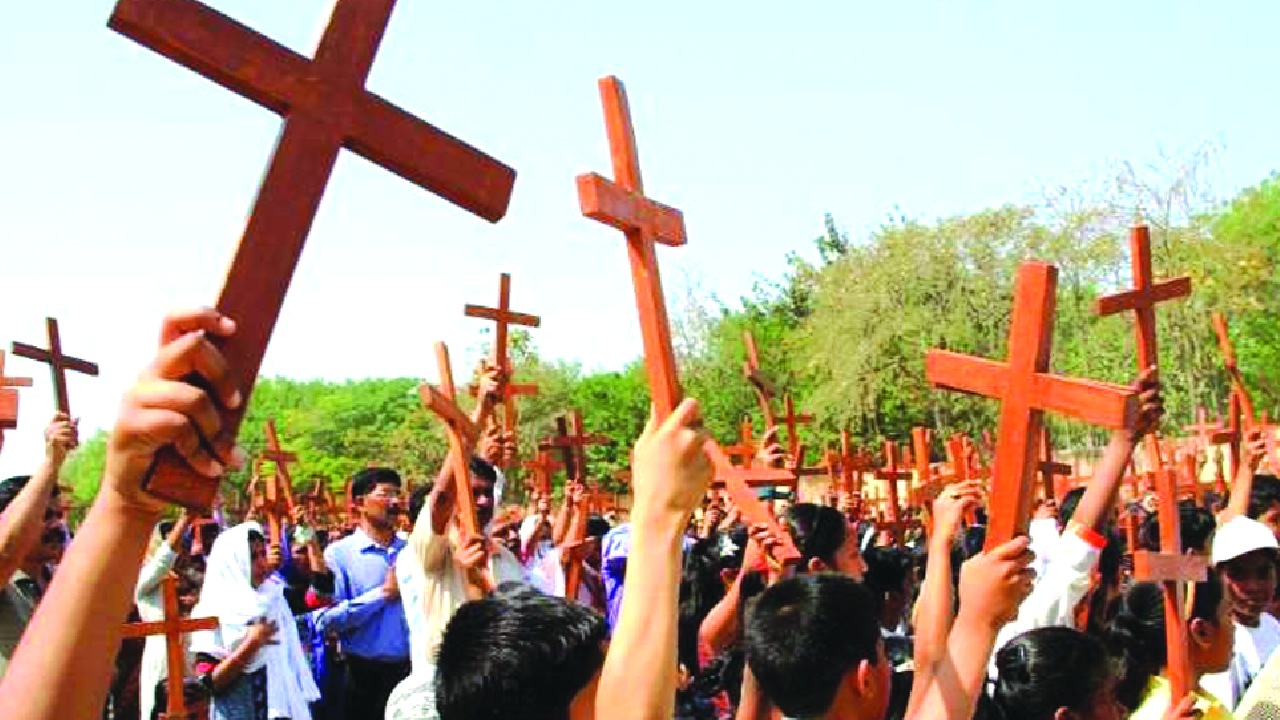
Incidents targeting Christmas events in parts of India have prompted a wider debate about religious tolerance, selective outrage and national self-perception. While acts of vandalism and intimidation demand condemnation, commentators and political leaders alike are calling for perspective rather than alarm.
India Christmas celebrations draw scrutiny and reflection
The issue has become more than a catalogue of isolated events. Critics argue that some responses — both from within India and from outside observers — have combined disparate incidents into an exaggerated narrative that harms the country’s image. Supporters counter that any infringement on the freedom to celebrate warrants sustained attention and remedy.
In recent days, Prime Minister Narendra Modi’s visible participation in Christmas services and other Christian observances has been offered as symbolic reassurance. His attendance at festive events, and his appeals for love and compassion, were cited as evidence of India’s longstanding tradition of religious accommodation and mutual respect.

At the same time, long-standing questions about cultural confidence and institutional practice have resurfaced. Some commentators note that official and social enthusiasm for certain majority-community festivals often outstrips the public recognition afforded to minority celebrations. That imbalance, they warn, can be internalised and weaken the sense of equal civic belonging.
The debate also reflects a broader historical narrative. The columnist traces Christianity’s presence in India through distinct phases: an early integration of Syrian Christian communities, later missionary activity linked to Portuguese colonial expansion, and further entanglement with British imperial administration. These episodes, including coercive conversions and cultural conflict in certain periods, are offered as background to current mistrust in some quarters.
Yet the writer stresses that historical grievance should not dictate contemporary behaviour. Any act committed in the name of religion that threatens or intimidates is a betrayal of principles many Indians associate with their civilisation: tolerance and plural coexistence. Equally, those who rush to frame these episodes as proof of a uniformly intolerant society risk misrepresenting complex local situations.
Observers warn against rapid online compilations that aggregate unrelated incidents into a single, alarming story. Such compilations can lack comparative context and historical proportion, and they may amplify perceptions of systemic hostility where incidents are fragmented and localised.
Policy responses and civic action will determine how the debate evolves. Legal authorities must investigate and prosecute unlawful acts. Community leaders should reinforce norms of mutual respect. Public institutions, including training academies and civic organisations, may need to reassess how they mark diverse festivals to ensure that official behaviour matches public rhetoric on pluralism.
Ultimately, the conversation centres on whether India will respond to these tensions with measured reform and renewed commitment to pluralism, or whether polarised narratives will deepen mistrust. For many, the preferable path is clear: condemn unlawful behaviour, acknowledge historical wrongs where appropriate, and reaffirm the freedoms that allow all communities to celebrate their traditions without fear.
The writer is a veteran columnist and former head of a national communication institute; these views are personal.
Key Takeaways:
- Debate over India Christmas celebrations and isolated incidents prompts national reflection on pluralism and double standards.
- Authorities and public figures, including the Prime Minister, have taken conciliatory steps to affirm religious tolerance.
- Historical context of Christianity in India is cited to explain tensions and encourage reconciliation.
- Author urges measured response to avoid inflating disparate incidents into a damaging narrative.








