











Lead exposure remains one of the most neglected public health problems in India, with no known safe level for the metal in the human body. Even low doses impair children’s brain development, reduce learning outcomes and raise long-term cardiovascular risks. Despite the removal of leaded petrol and some regulatory gains, contamination persists in water, soil, food, household dust and through informal recycling and waste mismanagement.
Lead exposure India and climate links
What is increasingly clear is that climate instability amplifies these hazards. Heatwaves accelerate the deterioration of ageing urban infrastructure, including old water pipes and lead-based paints, allowing toxic particles to enter drinking water and indoor dust, particularly in informal settlements and older housing stock. Heat stress and dehydration can also increase the body’s absorption of lead, raising risks for children and pregnant women.
Drought and desertification resuspend contaminated soils as fine dust, heightening inhalation of legacy lead from mining, smelting, industrial waste dumping and historical emissions. Reduced water availability can concentrate lead in soils and crops, worsening dietary exposure in food-insecure areas. Conversely, floods and extreme rainfall mobilise lead stored in soils, sediments, landfills and e-waste sites, dispersing contamination across residential areas and agricultural land and compromising drinking-water sources. Coastal hazards, including cyclones, storm surge and saltwater intrusion, can further leach lead into groundwater in vulnerable districts.

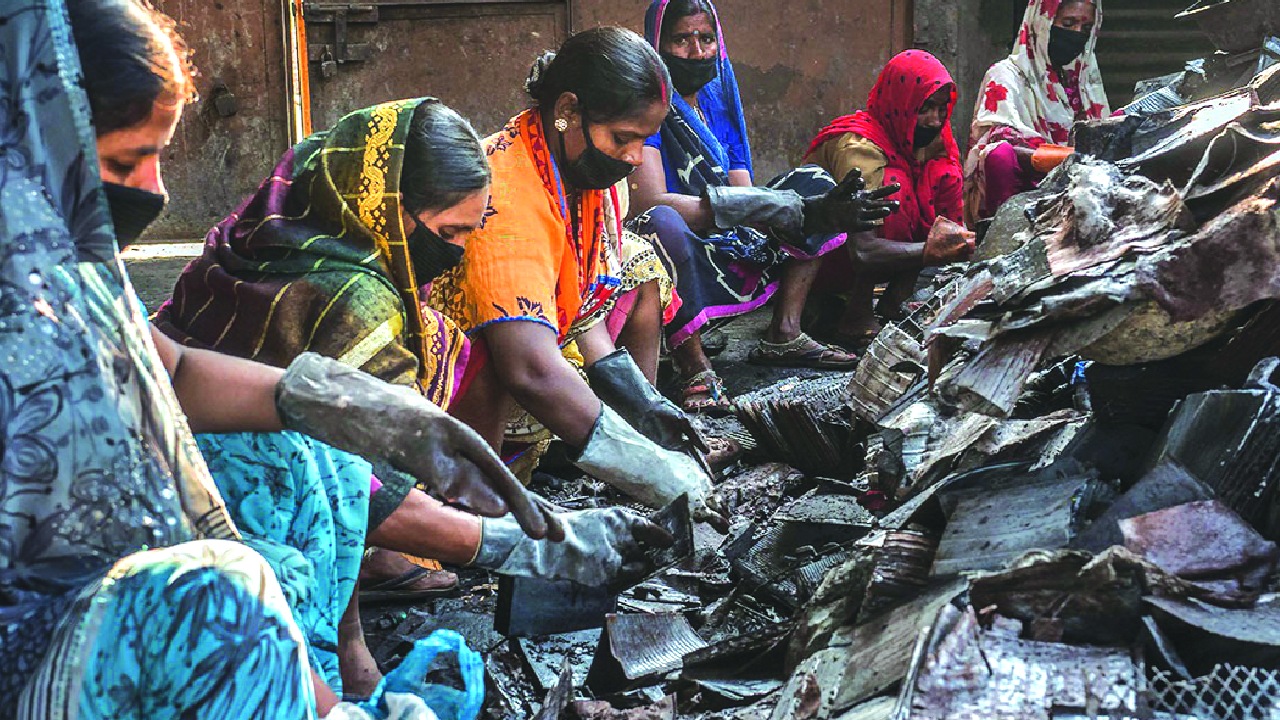
The energy transition also poses hazards where governance is weak. Lead-acid batteries remain common in solar backup systems, vehicles and emergency power supplies because they are inexpensive and widely available. Informal recycling and unsafe dismantling release lead into the air, soil and water and expose workers and nearby communities unless strict regulation and safe recycling systems are in place.
These intersecting risks are not merely technical. They are social and equity issues. The communities most exposed tend to be the poorest, with limited access to health care, clean housing and municipal services. The consequence is not only greater disease burden but lost education, reduced productivity and long-term economic costs.
India already has much of the policy architecture required to act. The National Programme for Climate Change and Human Health has begun to integrate toxic exposures such as lead, while flagship schemes including the National Health Mission and Ayushman Bharat are adapting service delivery, surveillance and disaster preparedness to include environmental risk reduction.
Urban policy represents a vital entry point. Housing and urban renewal initiatives can remove lead-based paints, replace ageing water pipes and enforce safer construction standards, prioritising low-income settlements. Disaster management plans routinely deployed for heatwaves, floods and cyclones should explicitly address toxic exposures, with guidance for protecting children, pregnant women and informal workers during emergencies and recovery.
Public awareness campaigns are essential. Communities need clear, practical information on how climate extremes increase toxic exposure and what steps to take before, during and after climate-related events to reduce risks. Equally important are investments in regulated battery collection and recycling, safer waste management, and routine screening programs targeted at high-risk populations.
Tackling lead exposure alongside climate action strengthens India’s resilience and protects human capital. Integrating lead elimination into climate, health and urban policy is feasible and necessary. Protecting children from lead is not an added cost; it is an investment in public health, equity and the country’s future.
Key Takeaways:
- Lead exposure India remains a widespread, neglected health threat, with children in poorer communities most affected.
- Climate extremes—heatwaves, droughts, floods and cyclones—mobilise and concentrate lead, increasing ingestion and inhalation risks.
- Informal battery recycling and ageing infrastructure compound the problem; climate-resilient housing must also be toxin-safe.
- Integrating lead elimination into climate, health and urban policies is feasible and essential to protect children and strengthen resilience.








