











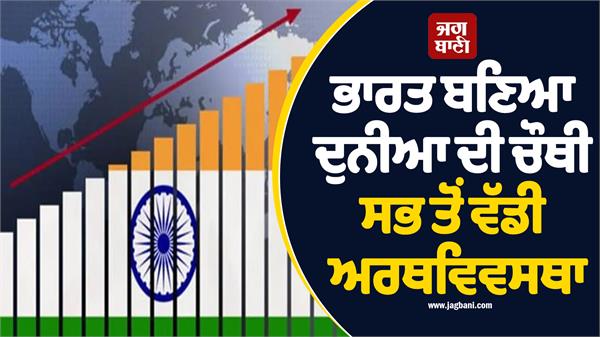
India has overtaken Japan to become the world’s fourth largest economy after its gross domestic product crossed the $4.18 trillion mark, official sources confirmed. The growth comes amid global economic concerns and geopolitical tensions, marking a significant milestone for the country and for the BRICS grouping.
India GDP milestone and what it means
Government data for the second quarter of fiscal year 2025-26 show GDP expanding at an annualised rate of 8.2%. Analysts say the rebound is not solely export led. Robust domestic demand, rising private consumption and a revival in manufacturing underpin the advance, while targeted public investment and steady inflows of foreign capital have supported activity.

The immediate effects will be felt across the labour market and credit markets. A larger economic base typically translates into more jobs in manufacturing, infrastructure, health and digital services. Banks and financial institutions are likely to find lending less risky for many categories of retail and business borrowers, which could lead to easier access to mortgages and business loans.
Higher GDP also strengthens public finances. Increased tax receipts can allow the government to scale up spending on roads, hospitals, schools and digital infrastructure without unduly widening fiscal deficits. Policymakers have set an ambition to raise per capita income and move India towards upper middle income status by 2047, and today’s figures give fresh momentum to those targets.
Beyond domestic effects, India’s rise has international implications. Surpassing Japan shifts the balance among large economies and enhances India’s voice in multilateral fora. For BRICS and BRICS+ partners, a stronger Indian economy offers a larger market for intra-group trade and investment, and reinforces efforts by member states to build alternatives to traditional financial structures.
Yet challenges remain. Converting headline GDP gains into lasting improvements in living standards requires continued focus on job quality, skills development, and regional inclusion. Inflation, external financing conditions and global demand swings could temper growth, so authorities will need to balance supportive policies with financial stability measures.
Industry leaders welcomed the milestone. Manufacturers noted rising domestic orders and investment plans, while services firms highlighted stronger consumer spending and digital adoption. Economists stress that sustaining growth will depend on structural reforms that improve productivity, simplify regulation and expand access to finance for small and medium enterprises.
For ordinary citizens, the benefits are expected to be tangible over time. Improved employment opportunities, greater availability of affordable credit and enhanced public services can lift household incomes and living standards. The precise distribution of gains will hinge on how quickly growth reaches rural areas and smaller towns.
In short, India’s ascent to the fourth largest economy is a significant economic achievement. It reflects strong domestic demand and a resilient production base, and it strengthens India’s role within BRICS. The coming months will test whether policymakers and business can convert this milestone into sustained, inclusive progress for the population at large.
Key Takeaways:
- India GDP reaches $4.18 trillion, overtaking Japan to become the world’s fourth largest economy.
- Quarterly growth of 8.2% driven by strong private consumption, manufacturing and exports.
- Milestone expected to create jobs, improve public finances and accelerate infrastructure investment.








