











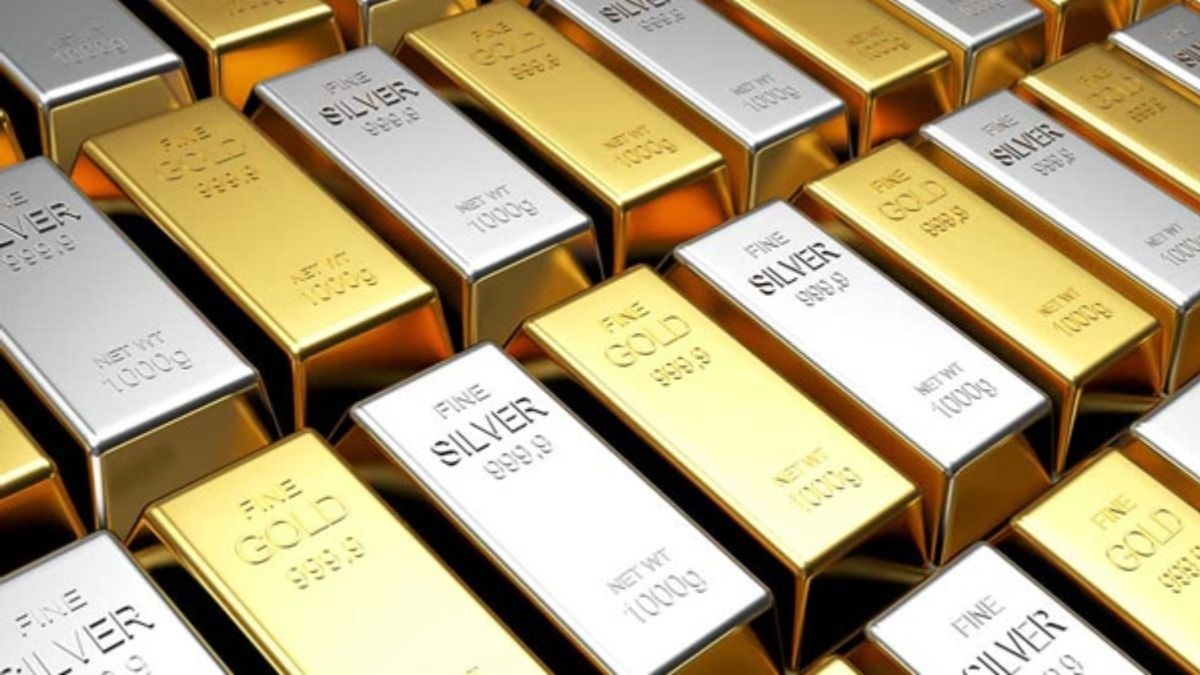
Gold in India opened the new year with a modest dip while silver made gains in the first trading session of 2026. On the Multi Commodity Exchange (MCX), February gold futures fell about 0.13% to roughly ₹1,35,267 per 10 grams as some market participants booked profits and the US dollar showed a brief uptick. By contrast, March silver futures inched up around 0.06% to close near ₹2,35,842 per kilogram, buoyed by steady physical demand.
Gold price India trends at the start of January
The pullback in gold was shallow and market sentiment remains broadly constructive. Traders and analysts said the view that the US Federal Reserve will ease policy later this year is supporting the appeal of non‑yielding assets such as gold. Expectations of rate cuts typically reduce the opportunity cost of holding bullion, a factor that helped underpin prices even as short‑term profit taking occurred.
Silver’s rise was driven largely by robust spot market activity and stronger industrial offtake. Demand for silver from green technology sectors, including electric vehicles and solar panel manufacturers, continued to tighten available supplies. That industrial backdrop, combined with investment interest, kept the white metal on firmer footing at the start of the year.

Why 2025 was extraordinary for precious metals
The modest moves on the first day of 2026 follow an exceptional 2025 for both metals. Domestic gold prices surged about 75% last year, adding more than ₹56,000 per 10 grams, while global gold saw its largest annual gain since 1979, up roughly 66%. Silver outpaced gold, rising nearly 167% and recording gains exceeding ₹1.43 lakh per kilogram in the domestic market.
Market participants attributed the rally to a confluence of factors: expectations of monetary easing by the Fed, sustained purchases by central banks, strong inflows into gold‑backed exchange traded funds, and elevated geopolitical uncertainty that pushed investors towards safe havens. Silver’s extraordinary performance also reflected booming industrial demand and strained supply chains, especially from the renewable energy and electronics sectors.
Retail prices and short‑term outlook
Retail rates tracked the wholesale movement. On Thursday, 24‑carat gold was quoted at about ₹13,506 per gram (approximately ₹1,35,060 for 10 grams) while 22‑carat gold traded near ₹12,380 per gram. Analysts say short‑term volatility is likely as traders balance profit taking against the persistent structural drivers supporting prices.
Looking ahead, the trajectory for gold price India will depend on the timing and magnitude of US rate cuts, central bank buying patterns, ETF flows and broader macroeconomic and geopolitical developments. If expectations of easier monetary policy solidify and physical demand stays firm, experts expect underlying support to remain for bullion. However, intermittent profit taking and currency moves can prompt brief corrections.
For investors and consumers, the early trading session underlines that while short‑term swings are possible, the broader narrative favouring precious metals remains intact following last year’s remarkable gains.
Key Takeaways:
- MCX February gold futures edged down marginally to around ₹1,35,267 per 10 grams as traders booked profits and the dollar firmed.
- Silver March futures rose to about ₹2,35,842 per kg, supported by strong physical demand and industrial needs.
- Precious metals enjoyed an exceptional 2025, with gold up about 75% domestically and silver surging roughly 167%.
- Market drivers include expected Fed rate cuts, central bank purchases, ETF inflows and heightened safe-haven and industrial demand.








