











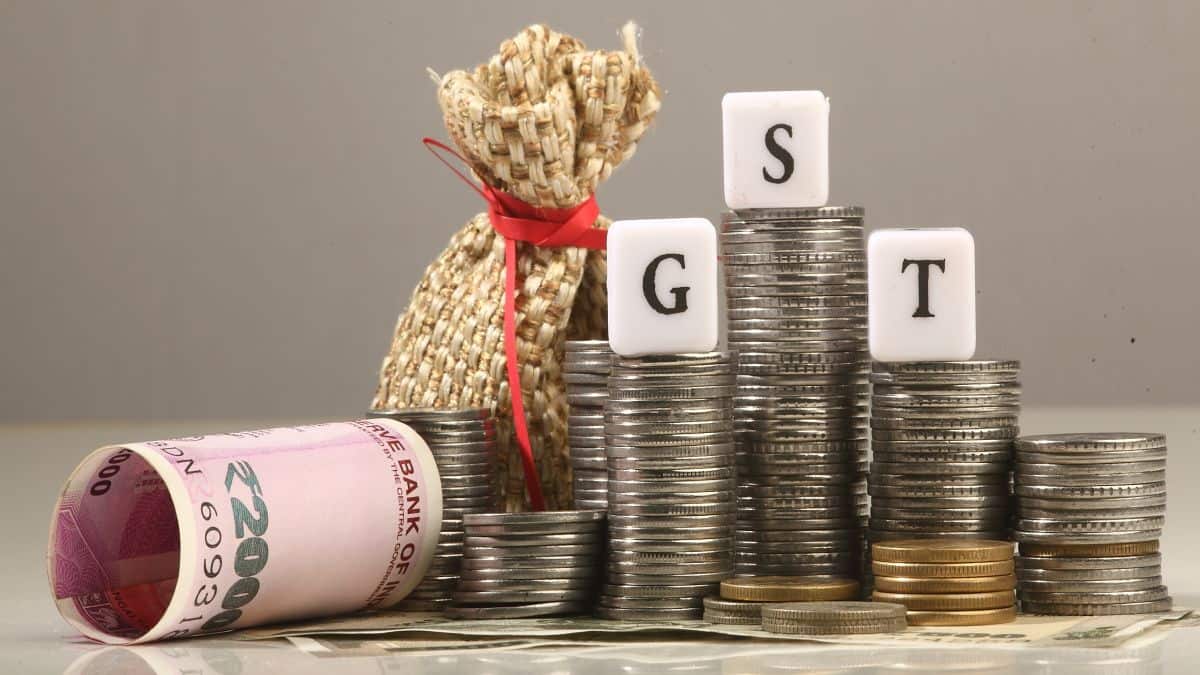
India’s goods and services tax (GST) receipts edged higher in December 2025, official data shows, reflecting an uptick in domestic consumption despite a rate cut implemented in September. Gross GST collections for the month stood at Rs 1,74,550 crore, up 6.1 per cent from Rs 1,64,556 crore in December 2024.
India GST collection December 2025
The Finance Ministry’s breakdown showed central GST (CGST) receipts of Rs 34,289 crore, state GST (SGST) at Rs 41,368 crore and integrated GST (IGST) at Rs 98,894 crore. The government also raised Rs 4,551 crore through the GST compensation cess, a transitional levy while outstanding loan and interest liabilities are resolved.
On a fiscal year-to-date basis, gross GST collections for April–December 2025 rose 8.6 per cent to Rs 16.5 lakh crore, compared with Rs 15.2 lakh crore in the same period of the previous year. The increase underlines resilient tax buoyancy amid policy changes, with the average monthly collection for 2025–26 so far at Rs 1.84 lakh crore — the highest since the tax’s introduction in 2017.

Officials noted that the cut in selected GST rates from 22 September appears to have stimulated demand, with lower rates encouraging higher consumption and contributing to the revenue uptick. At the same time, total GST refunds paid in December rose to Rs 28,980 crore from Rs 22,138 crore a year earlier, indicating larger claims by businesses.
The government has moved on parallel tax measures for sin goods. The Finance Ministry notified that new excise duties on tobacco products and a Health and National Security Cess on pan masala will come into effect on 1 February 2026. From that date, cigarettes, tobacco and pan masala will attract an effective GST rate of 40 per cent, while biris will carry an 18 per cent GST rate. The current GST compensation cess on these items will cease.
The changes form part of a broader simplification and rationalisation effort led by the GST Council, chaired by the Union Finance Minister. Since 2016 the council has overseen rate adjustments, including the recent move from multiple slabs towards two principal rates — 5 per cent and 18 per cent — alongside a higher 40 per cent rate for sin and luxury goods. The September 22 rationalisation was intended to ease compliance and reduce the overall tax burden while supporting growth.
Tax analysts say the December figures present a mixed but broadly constructive picture: stronger headline collections and a record average monthly intake point to improved economic activity, yet the rise in refunds merits monitoring since it can temporarily pressure short-term cash flows for the exchequer. The introduction of the Health and National Security Cess and changes to excise duties will also shift the tax mix for specific products from February.
For policymakers, the immediate priority will be sustaining the recovery in consumption without destabilising revenues. Continued monitoring of sectoral trends, compliance levels and the impact of the sin goods measures will be important as the government closes the books on the current fiscal year.
Key Takeaways:
- India GST collection December 2025 climbed 6.1% to Rs 1,74,550 crore, signalling stronger consumer demand.
- Gross collections for April–December rose 8.6% to Rs 16.5 lakh crore; average monthly receipts hit a record Rs 1.84 lakh crore.
- GST refunds increased to Rs 28,980 crore; new excise duties and a Health and National Security Cess on sin goods will take effect from 1 February 2026.








