











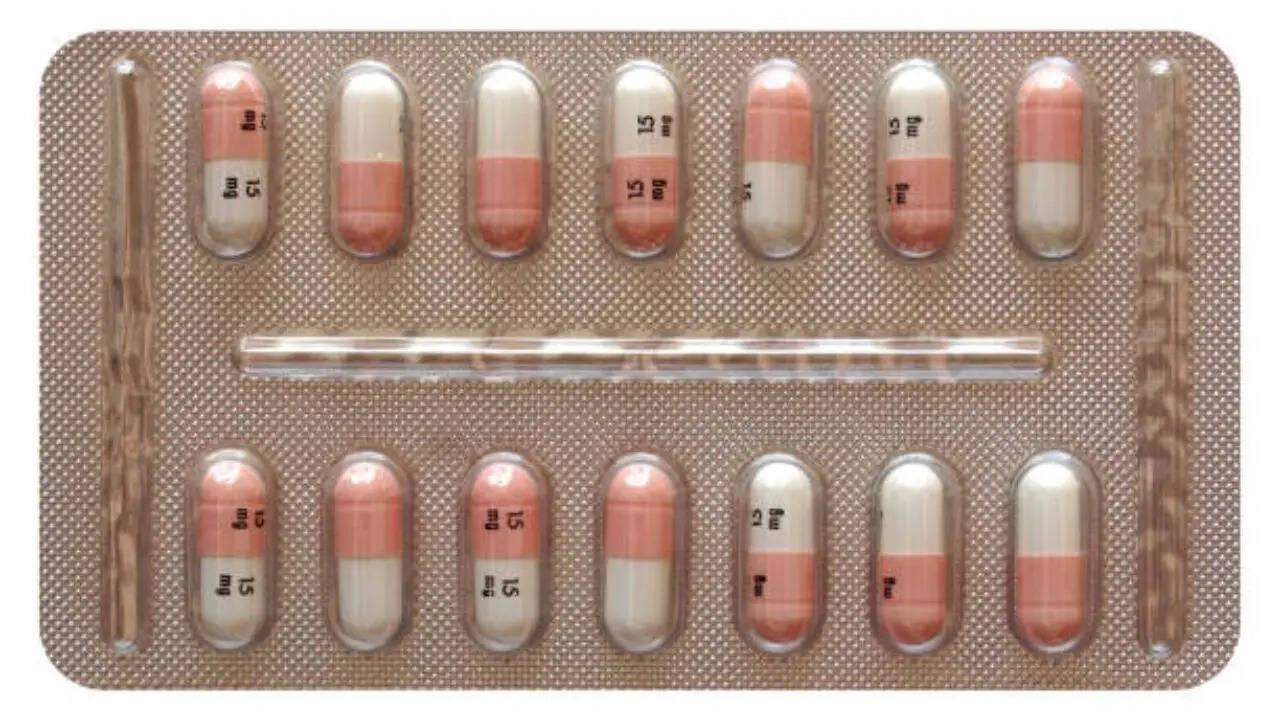
The Indian government has issued a prohibition on nimesulide preparations exceeding 100 mg, citing mounting evidence of serious health risks to people and wildlife. The Union Health Ministry published a notification on 29 December following a recommendation from an expert committee that included the Indian Council of Medical Research. The decision was later endorsed by an advisory panel under the Central Drugs Standard Control Organisation.
India nimesulide ban: what regulators found
Nimesulide is a prescription nonsteroidal anti-inflammatory drug used to treat acute pain, osteoarthritis and menstrual cramps. While it can offer rapid symptom relief by reducing inflammation and blocking pain mediators, regulators highlighted a clear risk profile. Reports point to potential severe liver injury, a danger that prompted the recent restriction on higher-dose formulations.
The expert committee advised the dose cap after reviewing clinical safety data and reports of adverse events. Authorities warned that the drug requires careful monitoring in children, and should be used with great caution in people with existing ulcers, heart conditions, or liver and kidney disease.

India had already placed limits on nimesulide in earlier years. In 2011 the drug was prohibited for children under 12. In March 2023 the Indian Pharmacopoeia Commission drew attention to the risk of fixed drug eruptions, a recurring skin reaction that can appear at the same site on the body. In January this year the Centre banned all veterinary formulations of nimesulide following CDSCO advice.
Why wildlife featured in the decision
Environmental concerns played a decisive part in the latest action. Conservation researchers flagged nimesulide as a major threat to vulture populations. A safety-testing report conducted jointly by the Bombay Natural History Society and the Indian Council of Agricultural Research–Indian Veterinary Research Institute found that vultures exposed to nimesulide died within 24 hours. Those findings echoed earlier international evidence that nonsteroidal anti-inflammatory drugs given to livestock pose a catastrophic hazard to scavenging birds.
Declines in vulture numbers carry wider ecological consequences because these birds rapidly remove animal carcasses, limiting the spread of disease. Regulators said the dual risks to human health and biodiversity justified strict limits on higher-strength formulations.
Clinical implications and next steps
Health professionals are expected to review prescribing habits and favour alternatives where appropriate. Regulators emphasised that nimesulide remains a prescription medication that should be used only after assessing patient history and comorbidities. Patients currently taking nimesulide should consult their doctor before making any changes.
The move also signals closer collaboration between public health and conservation bodies. By linking clinical safety data with environmental impact studies, Indian authorities have framed a regulatory response aimed at reducing avoidable harms to both people and wildlife. Further guidance from the Health Ministry and CDSCO is anticipated to clarify transition timelines and enforcement measures.
Medical practitioners, pharmacists and veterinarians will be watching how the policy is implemented at the retail and farm levels. For now, the ban on doses above 100 mg represents a precautionary step intended to reduce the incidence of severe adverse drug reactions and to protect vulnerable scavenger species.
Key Takeaways:
- The Union Health Ministry has banned nimesulide formulations above 100 mg following expert committee advice, marking the India nimesulide ban.
- Regulators cited risks of severe liver injury in humans and documented vulture deaths after exposure to veterinary nimesulide.
- Previous restrictions included a ban for children under 12 and warnings about skin reactions; veterinary formulations were already prohibited in January.
- Health authorities stress careful prescribing and monitoring, especially for patients with liver, kidney or heart disease.








