











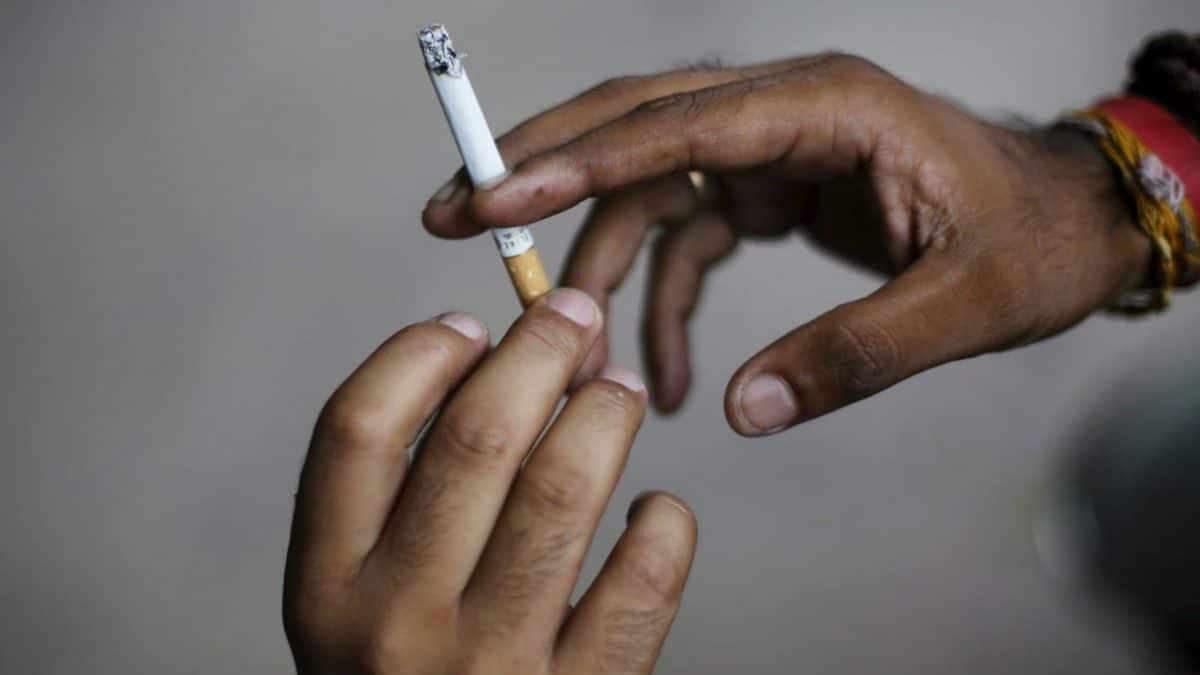
The Indian government has formally notified a sweeping revision of excise and health levies on cigarettes, pan masala and other tobacco products, changes that will take effect from 1 February. The move replaces the existing GST compensation cess on so-called sin goods and is already having an impact on markets and manufacturers.
India tobacco tax hike to take effect from 1 February
Under the revised structure most cigarettes and similar products will attract a 40% Goods and Services Tax. Biris will be taxed at 18% under GST. On top of those rates, an additional excise duty will now apply to tobacco products while a Health and National Security Cess will be levied on pan masala makers.
The Finance Ministry also published detailed rules for determining capacity and collecting duties on products such as chewing tobacco and Gutkha packing machines. Those regulatory measures form part of a broader framework designed to support the tax revamp and ensure tighter compliance.

Investors responded swiftly. Shares of major tobacco companies, including ITC Ltd and Godfrey Phillips India, slid sharply in early trading after the excise duty notification. On the Bombay Stock Exchange, ITC shares fell about 6% while Godfrey Phillips dropped nearly 10%, with some reports noting these counters hit near 52-week lows.
Market analysts say the higher duty structure could squeeze profit margins for cigarette makers and may push retail prices up by around Rs 2–3 per stick for certain products. That price rise could dampen demand, particularly among price-sensitive segments of India’s estimated 100 million smokers.
For manufacturers the changes are significant. Companies will need to reassess pricing, supply chains and tax provisioning. Smaller producers of bidis and chewing tobacco may face particular strain if compliance and new capacity-determination rules increase operating costs.
Health advocates have long called for tougher taxation on tobacco to reduce consumption and the new levies are likely to be cited as a public health measure as well as a revenue step. The government’s stated approach combines higher taxation with tighter regulatory oversight, signalling a dual aim of curbing tobacco use and strengthening excise collection.
Regulators and industry observers will watch for secondary effects. Retail prices will determine consumer response and the elasticity of demand will influence how sharply volumes fall. Analysts will also monitor whether the sector can protect margins through efficiency gains or shifting product mixes.
In the near term, investors will weigh the potential for lower volumes against the fiscal rationale behind the changes. For policymakers, the challenge will be to implement the new rules cleanly while avoiding disruption to compliant manufacturers and retailers.
As the February 1 effective date approaches, tobacco companies, traders and healthcare stakeholders alike are preparing for a new taxation landscape that will reshape market dynamics and could have lasting implications for public health and government revenues.
Key Takeaways:
- India tobacco tax hike will replace the GST compensation cess with higher levies, including a 40% GST on most cigarettes and an 18% GST on biris.
- Additional excise duty and a Health and National Security Cess will apply to tobacco products and pan masala, raising retail prices by an estimated Rs 2–3 per stick for some cigarettes.
- Tobacco stocks such as ITC and Godfrey Phillips fell sharply on the announcement as analysts warned margins could be squeezed.
- New Finance Ministry rules also tighten capacity measurement and duty collection for chewing tobacco and Gutkha packing machines.








