











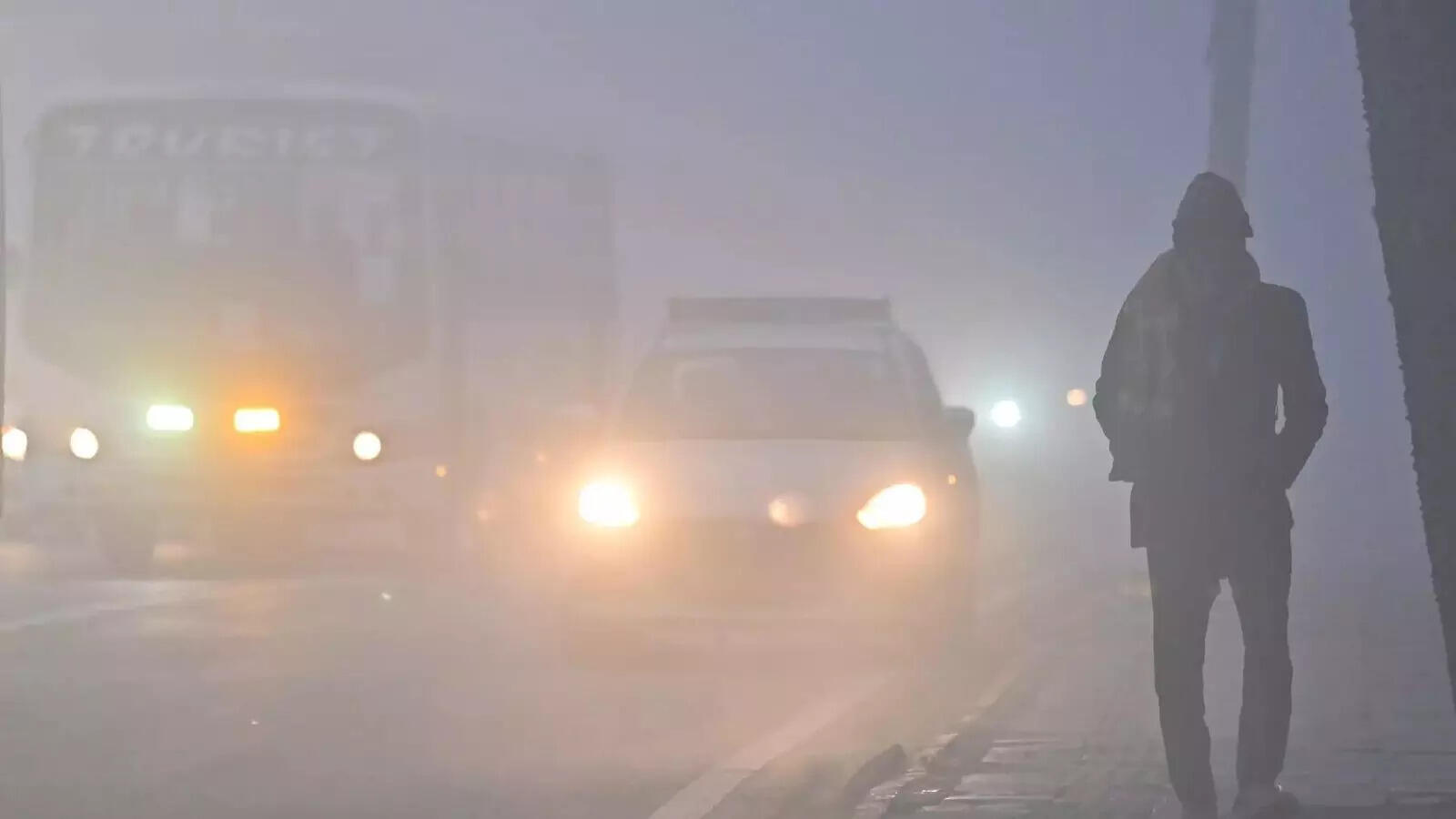
Delhi and the surrounding National Capital Region began the new year under severe cold and heavy cloud cover, as the India Meteorological Department (IMD) issued an alert for 2–5 January. The IMD attributed the drop in temperatures to snowfall over the Himalayan region and the subsequent influx of cold winds toward the capital, with dense morning fog likely on 2 and 3 January.
Delhi-NCR cold wave warning and air quality concerns
The IMD forecast a maximum temperature of around 17°C and a minimum near 10°C on 2 January, with overnight lows possibly falling to 8°C on 3 January. Officials warned that the cold will deepen from 3 January as colder air moves down from the hills, increasing the likelihood of widespread fog that could disrupt morning travel.
Compounding the chill, air quality across Delhi remained in the ‘very poor’ to ‘severe’ range. Central Pollution Control Board (CPCB) figures showed a composite air quality index (AQI) of 371 at 10:00am, with Sonia Vihar recording one of the worst readings at 421. Other hotspots included Anand Vihar (418), Rohini (413), Wazirpur (414) and Vivek Vihar (404). No major area of the city recorded air fit for comfortable breathing.

NCR suburbs were similarly affected. Ghaziabad’s Loni posted an AQI of 401 and Vasundhara 399, while Noida sectors reported readings between the mid-300s and high 300s. These pollutant levels increase the risk of respiratory problems, particularly for children, older adults and people with pre-existing lung or heart conditions.
Authorities have cautioned commuters to expect reduced visibility during early hours and advised drivers to allow extra travel time. The IMD also noted a possibility of light rain on 1 January, which may briefly change local conditions but will not offset the broader cold spell expected in the following days.
Health advice and short-term outlook
Public health and environment officials urged residents to limit prolonged outdoor exposure, wear adequate warm clothing and use masks where air pollution is high. Those with breathing difficulties were advised to keep medications on hand and seek medical attention if symptoms worsen. Schools and workplaces may need to consider flexible start times if dense fog and poor air quality affect morning commutes.
Forecast models indicate that the cold wave will persist through 5 January, driven by northerly winds from the Himalayas. While occasional light showers could occur, there is no immediate expectation of a significant shift in the overall pattern that is keeping temperatures low and allowing pollutants to accumulate near the ground overnight.
Residents should monitor updates from the IMD and CPCB apps for hourly AQI and visibility advisories. Authorities will continue to assess the situation and issue guidance to mitigate health risks and travel disruption as conditions evolve.
Key Takeaways:
- Delhi-NCR faces a Delhi-NCR cold wave with falling temperatures and dense morning fog expected from 2–5 January.
- Air quality remains extremely poor across the capital, with multiple stations recording AQI levels in the ‘very poor’ and ‘severe’ ranges.
- The India Meteorological Department warns of worsening cold from 3 January as Himalayan winds push southwards, raising risks to health and travel.








