











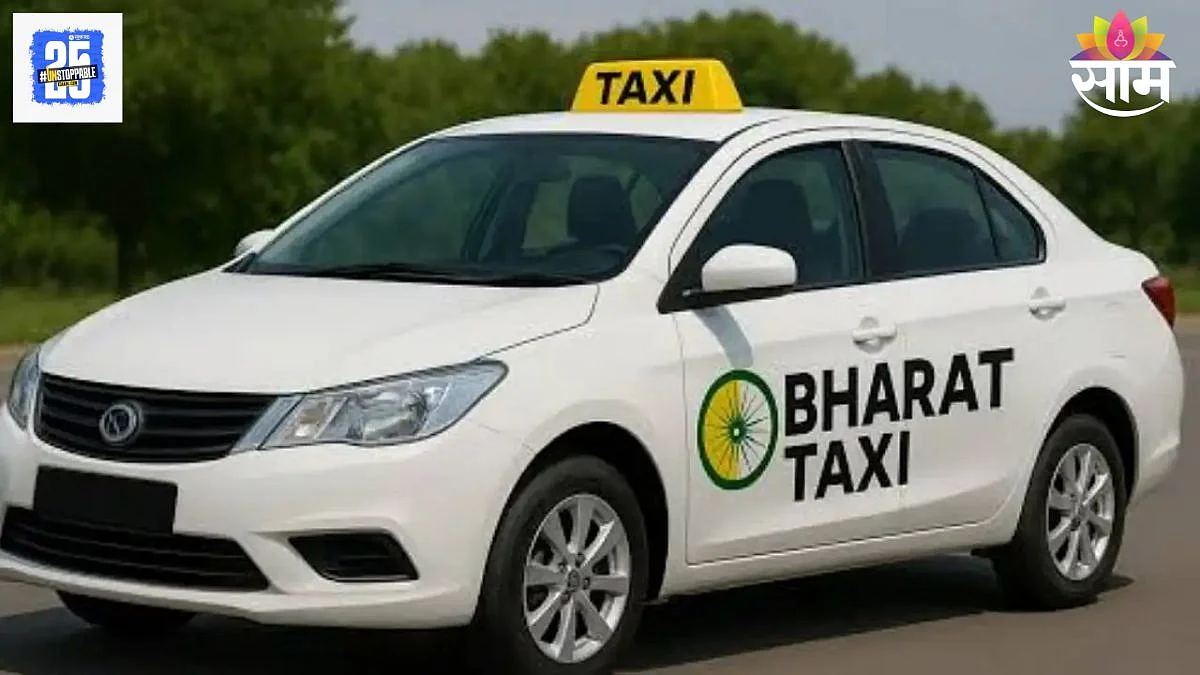
The Indian government has launched Bharat Taxi, a state-supported cab service that promises fixed fares and a zero-commission model designed to benefit drivers and passengers alike. The service has begun operations in major urban centres, with the authorities saying the platform will reduce dependency on private aggregators and curb arbitrary surge pricing.
Bharat Taxi fixed fares and driver benefits
Bharat Taxi will operate on a fixed-fare structure and a zero-commission policy for drivers. Under the announced fares, the first four kilometres of any trip will carry a fixed charge of ₹30. For travel between four and 12 kilometres, the fare will be ₹23 per kilometre. Journeys longer than 12 kilometres will be charged at ₹18 per kilometre.
For example, a 12-kilometre trip would cost ₹30 for the first four kilometres plus eight kilometres at ₹23 each (8 × ₹23 = ₹184), giving a total fare of ₹214. The government says fixed pricing will protect passengers from sudden price spikes commonly imposed by some private platforms during peak hours, heavy rain or severe traffic conditions.

Crucially, the platform is being positioned as driver-friendly. The government has emphasised that Bharat Taxi will not levy commission on fares, meaning payments made by passengers will go directly to drivers. Officials say that by removing the commission burden and reducing platform interference in drivers’ operations, the service will help increase driver incomes and offer greater transparency in earnings.
Bharat Taxi is now available in a number of key cities, including Delhi, Mumbai, Bengaluru, Pune, Hyderabad, Noida and Gurugram. These locations were chosen for their high demand for app-based taxi services and the concentration of drivers who will benefit from the new model.
Regulators and policymakers have presented the initiative as an alternative to the market dominance of established private aggregators. They argue that by offering a predictable fare structure and ending commission deductions, Bharat Taxi will restore bargaining power to drivers and provide passengers with more affordable, reliable journeys.
Industry observers note that the introduction of a government-supported platform could reshape local ride-hailing dynamics. If drivers receive higher net earnings and passengers face fewer unpredictable charges, private competitors may be forced to adjust their pricing and commission strategies.
Operational details such as driver onboarding, app availability on different smartphone platforms and dispute-resolution mechanisms are expected to be clarified by the transport ministry in the coming days. Officials also indicate plans to monitor service rollout closely to ensure that fixed fares remain transparent and that drivers are paid promptly.
For passengers, the appeal is straightforward: a single, distance-based fare irrespective of weather or traffic conditions. For drivers, the promise is direct earnings and less dependence on platform algorithms or discretionary fee policies. The government’s intervention seeks to balance the ride-hailing market by prioritising worker income and consumer protection while encouraging competitive responses from private operators.
Key Takeaways:
- Government-backed Bharat Taxi launches with a zero-commission model so drivers keep their full fare.
- Fixed pricing removes surge charges: first 4 km fixed at ₹30; 4–12 km at ₹23/km; beyond 12 km at ₹18/km.
- Service begins in major cities including Delhi, Mumbai, Bengaluru, Pune, Hyderabad, Noida and Gurugram.
- Policy aims to increase driver income and protect passengers from arbitrary surge pricing.








