











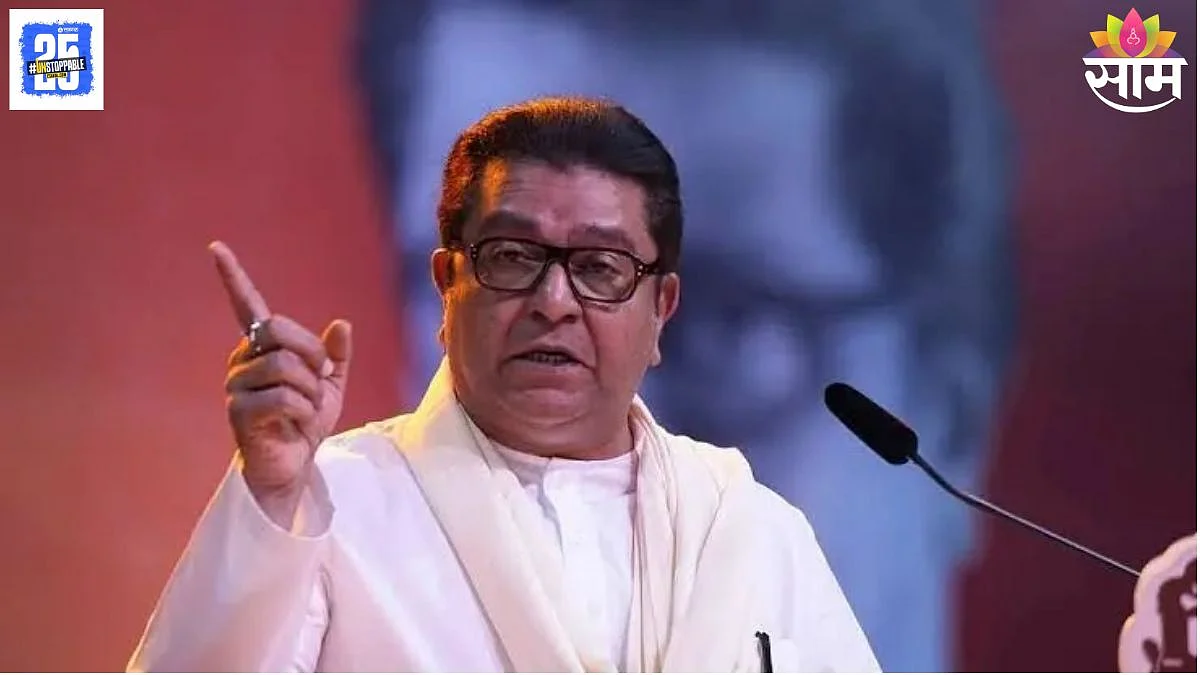
Raj Thackeray’s Maharashtra Navnirman Sena (MNS) has made a conspicuous strategic move ahead of the Mumbai civic elections by announcing candidates from the Gujarati and Muslim communities, breaking with the party’s traditional focus on Marathi identity politics. The party named Hemali Bhansali for Ward 177 Matunga, Arif Sheikh for Ward 188 Dharavi and Hasina Mahimkar for Ward 209 Bhaykhala.
MNS fields Gujarati and Muslim candidates
The nominations represent a deliberate attempt by MNS to broaden its electoral appeal in a contest that has seen tensions over Marathi versus non-Marathi identities dominate the political narrative. By selecting candidates from minority communities, MNS appears to be positioning itself to attract voters who may feel overlooked in the current polarised atmosphere.
Hemali Bhansali’s candidacy in Matunga is notable because the ward has a significant Gujarati presence. Dharavi, represented by Arif Sheikh on the MNS ticket, is one of Mumbai’s most densely populated wards and has long been a focus for political parties seeking support among diverse communities. Hasina Mahimkar’s nomination from Bhaykhala further underlines the party’s intent to field Muslim candidates in areas where community representation can be decisive.

Political analysts say the move could complicate the electoral arithmetic in the city. The Bharatiya Janata Party (BJP) has been working to consolidate North Indian and other non-Marathi voters, and MNS’s new slate may be an effort to cut into that support while appealing to minority and non-Marathi electorates directly.
“This is a clear tactical shift by MNS,” said a local analyst. “It signals a desire to be seen not only as a champion of Marathi identity but also as a party that can represent the interests of other communities in Mumbai.” The strategy could draw votes from parties that have traditionally relied on minority communities, particularly in tightly contested wards.
For voters, the development introduces fresh choices. Supporters of MNS argue that the party is demonstrating pragmatic politics by recognising Mumbai’s multi‑ethnic character. Critics contend the move risks blurring the party’s original ideological identity and may be viewed as opportunistic.
Campaign strategists also point out practical considerations. Fielding candidates from specific communities can help in ground mobilisation, improve access to local networks and boost turnout in wards where community leaders play an influential role. It also obliges rival parties to reassess candidate selection and campaign messaging.
In the short term, the outcome will depend on how effectively the nominated candidates can connect with voters and whether MNS can present a coherent platform that resonates beyond identity politics. The municipal polls will test whether this broader outreach translates into electoral gains or merely provokes debate about the party’s direction.
As Mumbai’s civic contest intensifies, MNS’s decision to field Gujarati and Muslim candidates is likely to be a talking point among parties and voters alike. Whether this strategy proves fruitful will become clearer once campaigning gathers pace and results begin to point to shifting loyalties across the city’s diverse wards.
Key Takeaways:
- MNS fields Gujarati and Muslim candidates in key Mumbai wards, signalling a broader outreach strategy.
- The move comes amid a heated Marathi versus non-Marathi debate in the city.
- MNS fields Gujarati and Muslim candidates to counter BJP’s outreach to non-Marathi voters and appeal to minority communities.








