











The Delhi High Court has ordered rapid action to halt websites illegally streaming and distributing copyrighted films and television series, directing domain registrars and internet service providers to act within 72 hours. The ruling, handed down in a suit led by Warner Bros and other global studios and platforms, introduces a broad mechanism to tackle the proliferation of piracy sites that host high-value content.
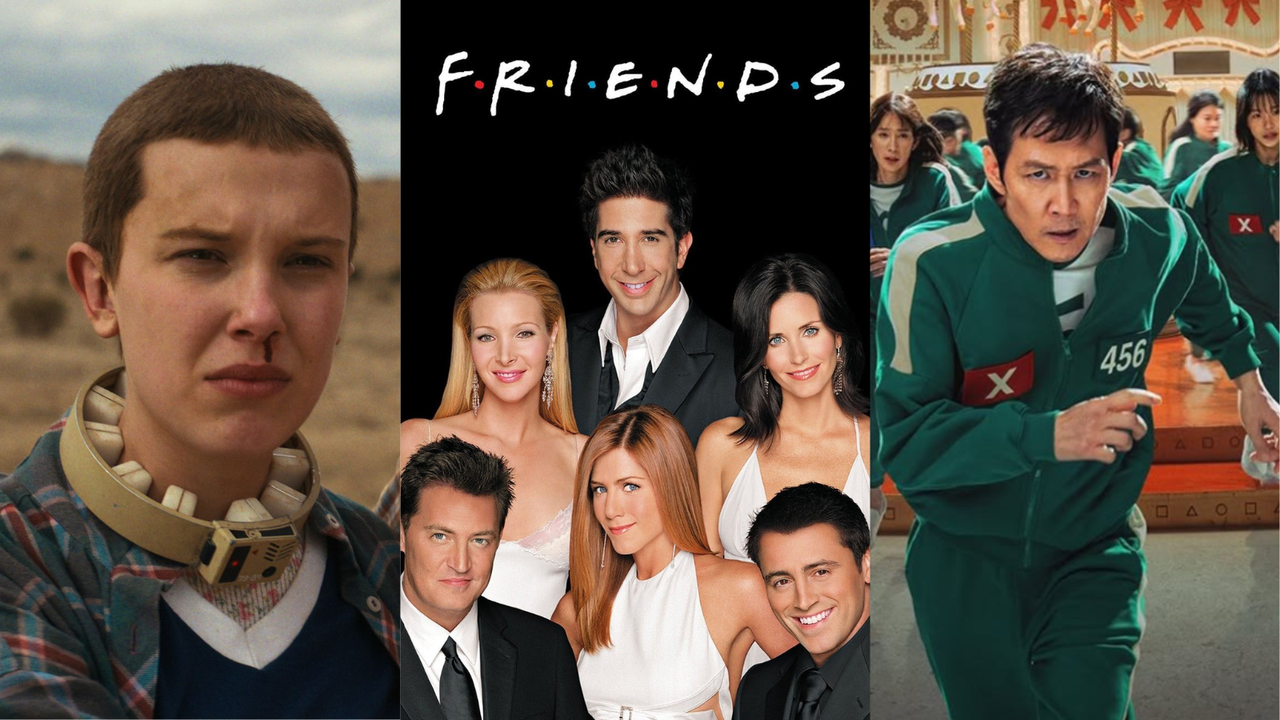
Plaintiffs in the case — which included Warner Bros. Entertainment, Netflix, Apple, Disney and Crunchyroll as members of the Motion Picture Association — sought judicial relief after repeated take-down notices failed to stop unauthorised real-time streaming and downloads of titles such as Stranger Things, Squid Game, Friends, Batman and The Jungle Book. Justice Tejas Karia granted what the court described as a “Dynamic+ injunction”, permitting swift action against mirror and variant domains as they appear online.
India piracy crackdown and court action
The court explained that the dynamic injunction was necessary to address the “hydra-headed nature” of infringement, where infringing domains reappear immediately after being blocked. The order allows plaintiffs to implead any mirror, redirect or alphanumeric variations of named websites to prevent rapid re-emergence of infringing services.

As part of the ruling, domain name registrars have been instructed to lock and suspend the identified infringing domains within 72 hours. Internet service providers were similarly directed to block public access to those sites in the same timeframe. Registrars must also provide Basic Subscriber Information in a sealed cover to assist further legal action against the operators of the piracy networks.
The court’s decision followed submissions that the defendants were not only streaming content in real time but were also enabling users to download copyrighted works, thereby causing substantial financial loss to rights holders. The plaintiffs argued that immediate judicial intervention was necessary to prevent irreparable harm.
Legal observers say the order signals robust support for intellectual property protection in India and may strengthen enforcement tools available to rights holders. By granting the Dynamic+ injunction, the court sought to close the gap exploited by operators who repeatedly relaunch services under new addresses after takedown actions.
Industry representatives welcomed the ruling as a practical step to protect revenues and the commercial value of creative works. Rights holders have long warned that unauthorised distribution poses a serious threat to investment in content and undermines the business models of studios and legitimate streaming platforms.
At the same time, the order raises questions about implementation and oversight. Internet intermediaries will be required to act quickly, and the handling of subscriber information will need to balance investigatory needs with privacy and due process safeguards. Courts will likely play a continuing role in supervising how dynamic injunctions are applied to ensure proportionality.
The Delhi High Court’s decision marks a notable instance of judicial intervention to curb online piracy in India and may serve as a reference point for future anti-piracy litigation. For now, registrars and ISPs must comply with the 72-hour deadline, while rights holders continue to monitor and request the inclusion of new infringing variants as they arise.
Key Takeaways:
- India piracy crackdown forces swift action: Delhi High Court grants a dynamic injunction for major studios and streaming platforms.
- Domain registrars must lock infringing sites and ISPs must block access within 72 hours; Basic Subscriber Information to be provided in sealed cover.
- Plaintiffs including Warner Bros, Netflix, Apple, Disney and Crunchyroll showed repeated takedown failures and real-time unauthorised streaming with downloads.
- Injunction allows plaintiffs to add mirror, redirect or alphanumeric variants to stop rapid reappearance of infringing domains.








