











Key Takeaways:
- India overtakes Japan in nominal GDP and is projected to surpass Germany by 2030.
- IMF and government data point to sustained growth despite trade frictions and rupee weakness.
- Per capita GDP and job creation remain major domestic challenges amid rapid population growth.

India Overtakes Japan and Sets Sights on Germany
India has moved past Japan to become the world’s fourth-largest economy, the government said in its year-end economic review, and officials say the country is on track to overtake Germany within three years. The assessment, which places India’s gross domestic product at US$4.18 trillion, echoes International Monetary Fund projections that show India crossing Japan in 2026 when final annual GDP data becomes available.
India overtakes Japan economy
The government briefing, released on 29 December, described India as “among the world’s fastest-growing major economies” and said the nation is “well-positioned to sustain this momentum.” It forecasts a projected GDP of US$7.3 trillion by 2030, which officials say would put India ahead of Germany in the third rank globally within two-and-a-half to three years.
IMF estimates for 2026 put India’s economy at approximately US$4.51 trillion, marginally above Japan’s US$4.46 trillion. Official confirmation of India’s new ranking will await finalised annual figures in 2026, but the convergence in estimates has prompted upbeat commentary from New Delhi.
Yet the broader picture remains mixed. On per capita measures India still trails far behind advanced economies. The World Bank placed India’s GDP per capita at US$2,694 in 2024, compared with Japan’s US$32,487 and Germany’s US$56,103. That disparity highlights the scale of development and distribution challenges facing policymakers.
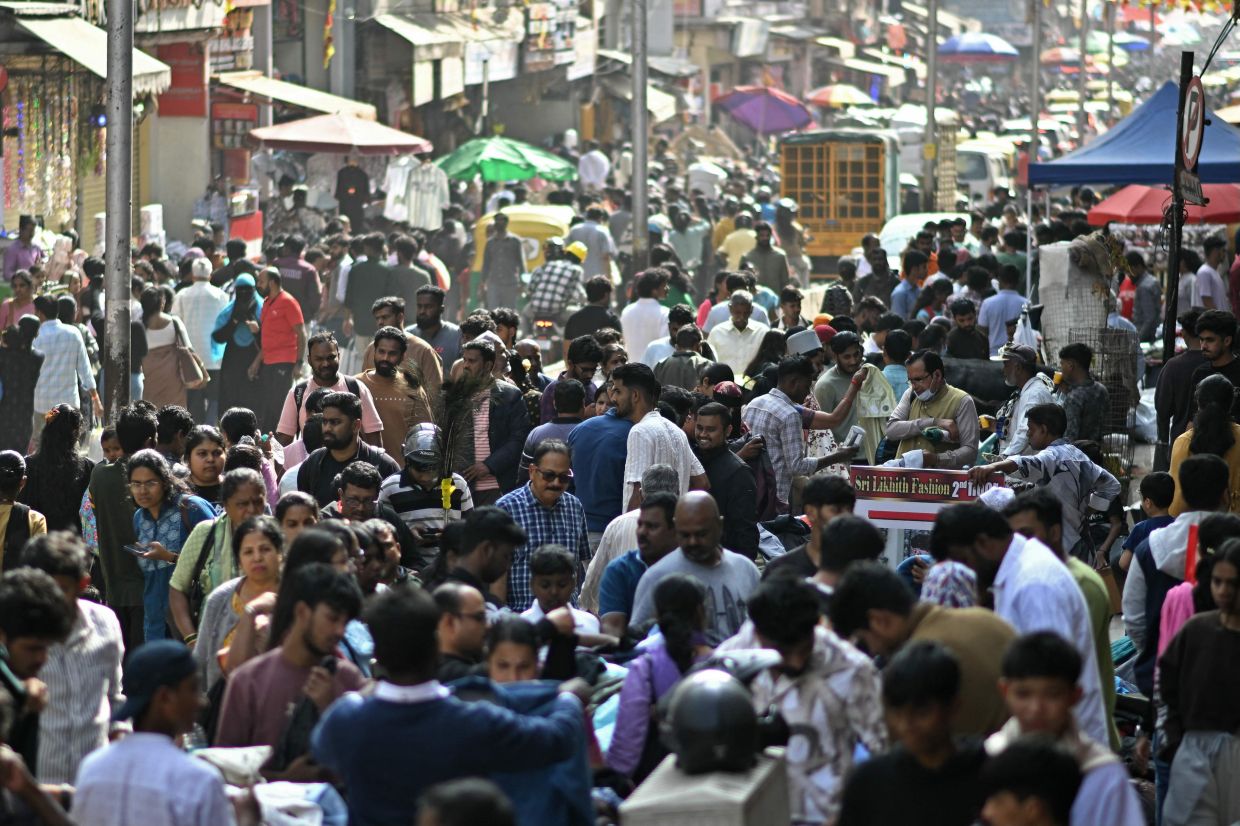
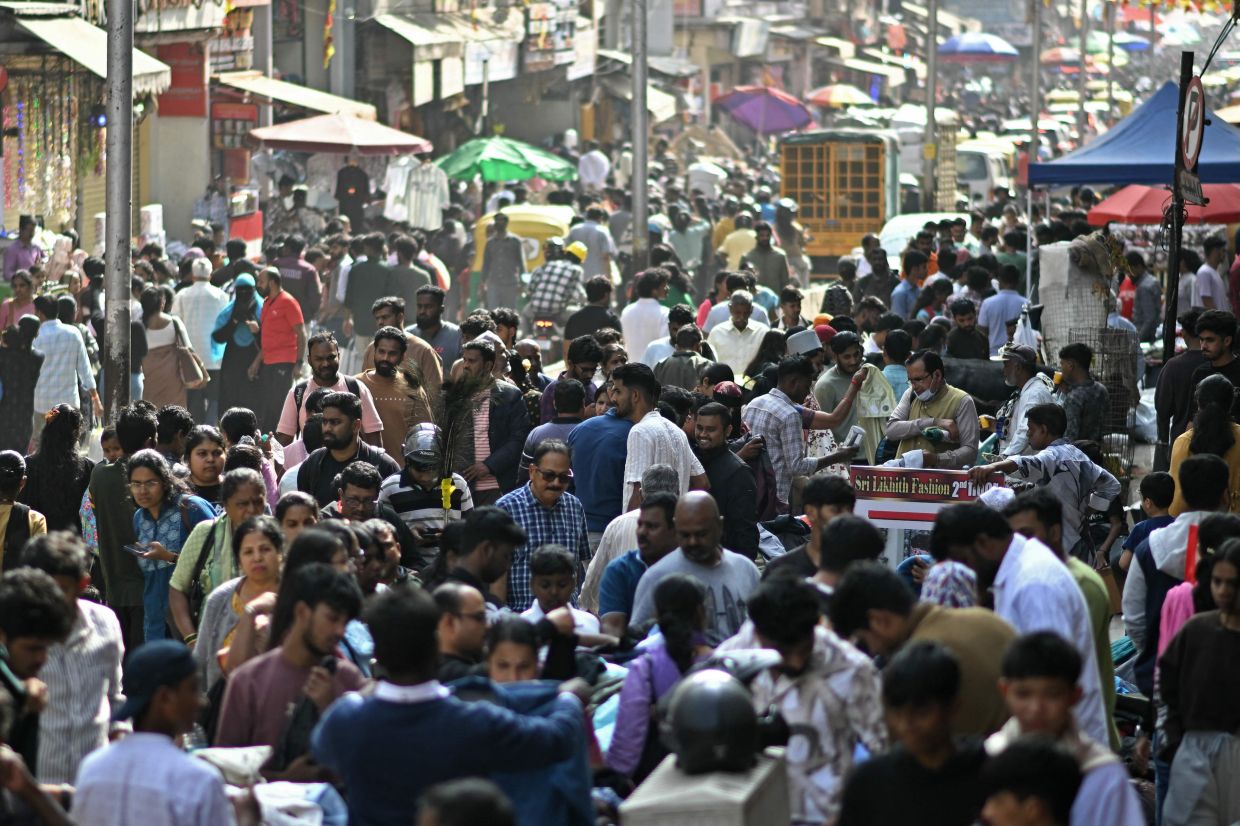
Demographics play a central role in the government’s narrative. With more than a quarter of its 1.4 billion population aged between 10 and 26, India’s ability to generate quality employment will be crucial. The briefing noted that sustained growth must be matched by job creation that can productively absorb millions of new entrants to the workforce.
India’s recent policy moves reflect those priorities. Prime Minister Narendra Modi announced cuts to the goods and services tax and pressed through labour law reforms after growth slowed to a four-year low in the year to 31 March. Officials say such measures are aimed at boosting consumption, investment and formal employment.
External headwinds remain. In August the United States imposed substantial tariffs on some Indian goods over the country’s purchases of Russian oil, a move that has raised concerns about trade relations with a key partner. The rupee fell to a record low against the dollar in early December, having weakened by roughly five per cent during 2025, as markets absorbed worries about the tariff dispute and its potential impact on exports.
Despite that uncertainty, the government described the economy as resilient. Analysts point out that while headline GDP growth and rising national output bolster India’s global standing, turning macro gains into higher incomes and broad-based employment will determine the long-term quality of that growth.
As India moves toward official confirmation of its new ranking, the immediate questions are whether policy measures will sustain investment and consumption, and how quickly the country can narrow gaps in productivity and per capita income. For now, the shift in global rankings marks a significant milestone in India’s economic trajectory.








