











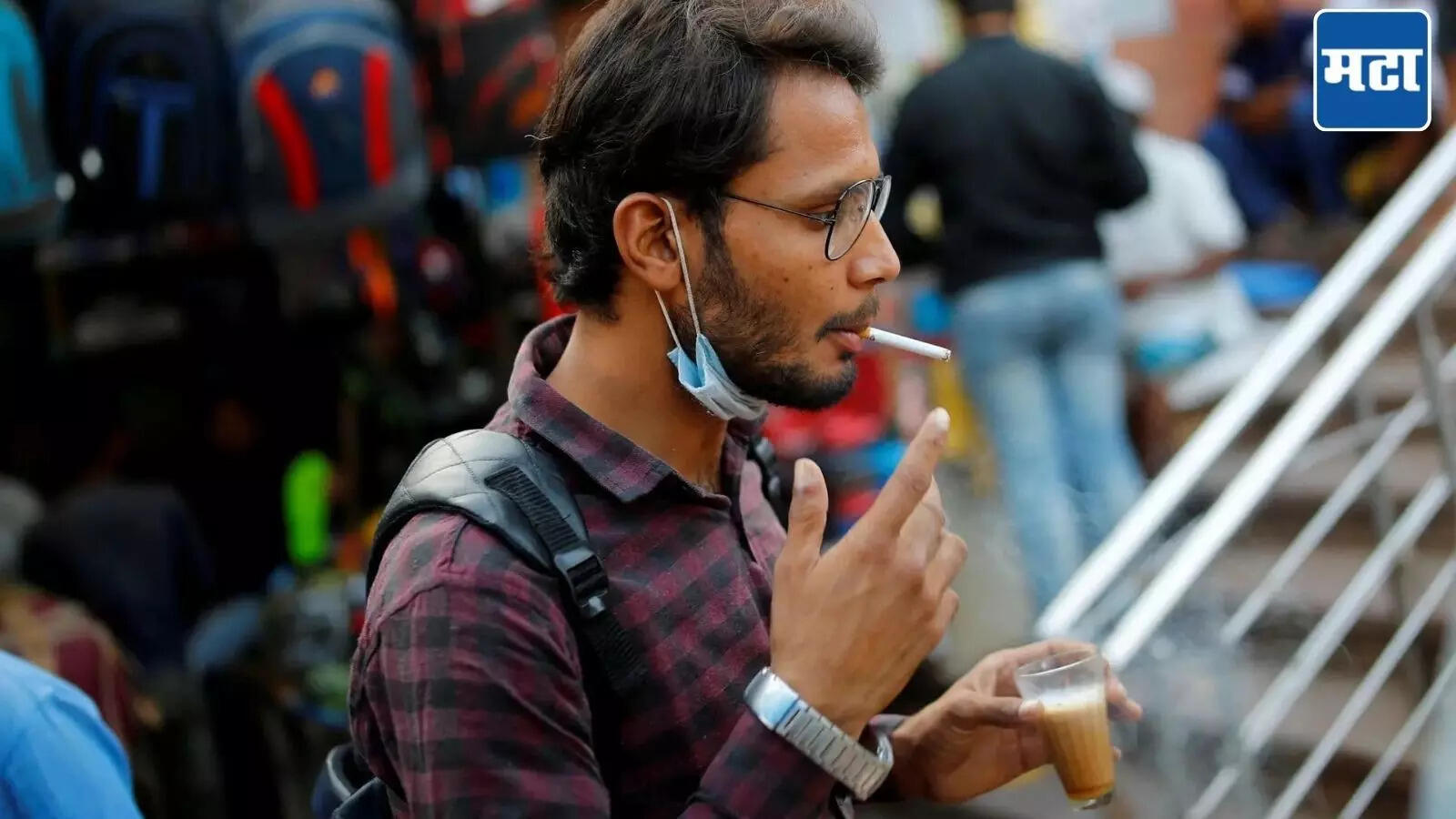
The Indian government has notified major changes to tobacco taxation that will take effect on 1 February 2026. The overhaul imposes higher indirect taxes on cigarettes, pan masala and other tobacco products, and introduces a new structure intended to reduce evasion in an increasingly mechanised industry.
India tobacco tax hike and what changes from 1 February
From 1 February, pan masala, cigarettes and other tobacco products will attract a 40% goods and services tax (GST). Bidis will be subject to 18% GST. In addition to the GST changes, pan masala will face a health and national security cess while tobacco products will carry an additional production duty.
The government published a notification on 31 December 2025 to bring these provisions into force. The changes also revive rules on capacity determination and fee collection for chewing tobacco, zarda, flavoured tobacco and gutkha packaging machines, measures designed to align tax collection with modern manufacturing processes.

Impact on prices and industry
Analysts estimate retail cigarette prices could rise by roughly 20–30% once the new charges feed through. The tax framework ties duty to the length of the cigarette and whether it has a filter, creating multiple slabs. Smaller cigarettes up to 65mm fall into the lowest slab with an estimated duty of around Rs 2,700–3,000 per 1,000 sticks. Mid-length and longer products attract higher rates: certain categories face duties of about Rs 7,000 per 1,000 sticks, while an “other” category for non-standard or premium designs could see levies up to Rs 11,000 per 1,000 sticks.
Because longer and premium cigarettes will bear a heavier tax burden, manufacturers that rely on those formats may face larger cost increases. Producers and distributors have a narrow window to update systems, reset prices and adjust factory releases before the rules take effect.
Market reaction and policy intent
Indian equity markets reacted sharply to the announcement as investors reassessed the outlook for tobacco companies. The finance ministry said the measures are intended to prevent leakages in tax collection by moving to a machine-based capacity assessment and by reintroducing a capacity-based levy similar to the pre-GST era.
Beyond revenue considerations, the move aligns with public health objectives by raising the cost of tobacco consumption. However, the government has balanced this with administrative measures to ensure the new levies can be implemented without disrupting supply chains abruptly.
What consumers and companies should expect
Consumers should expect noticeable price increases in the coming weeks. Retailers and manufacturers will need to adjust pricing, packaging and accounting systems. Smaller bidi manufacturers may face different competitive pressures given the lower GST rate for bidis compared with cigarettes.
While the immediate effect will be higher consumer prices and potential short-term strain on tobacco sector profits, the policy underscores a broader fiscal approach to sin goods, combining revenue generation with public health priorities.
Key Takeaways:
- India tobacco tax hike: new rules apply from 1 February, with 40% GST on cigarettes, pan masala and tobacco and 18% GST on bidis.
- The change introduces additional excise and a health and national security cess for pan masala; tobacco faces an extra production duty.
- Prices are expected to rise by about 20–30%, with tax slabs linked to cigarette length and filter status.
- The move aims to curb tax evasion through machine-based capacity assessment and will affect manufacturers and retailers when implemented.








