











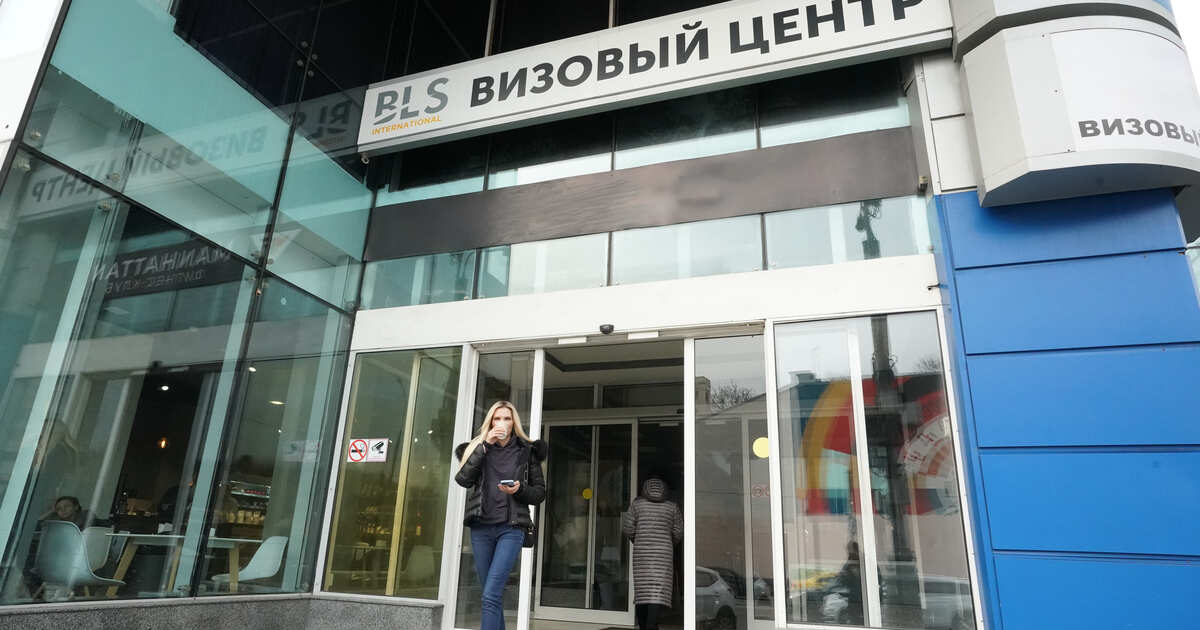
India has removed the fee for a 30-day electronic visa for Russian citizens, making short-term visits to the country easier and cheaper. The concession applies to the existing e-visa format that permits stays of up to 30 days; other categories of Indian visas remain subject to the usual charges and requirements.
India visa fee removal
The Indian government’s decision to waive the payment for the 30-day e-visa simplifies travel procedures for Russian tourists, business visitors and those visiting friends and family. Officials say the measure applies only to the electronic short-stay permit and does not affect longer-term or other specialised visa types, which continue to require standard application fees and processing.
Travel industry contacts expect the move to support a modest increase in arrivals from Russia in the coming months, particularly as international travel demand recovers. Removing the fee reduces the upfront cost of a short trip and eliminates one administrative hurdle for travellers who previously had to pay when applying online.

At the same time, several neighbouring and regional developments reflect a shifting patchwork of travel rules for Russian nationals. Georgia has introduced a new requirement that all foreign tourists present medical insurance written in either English or Georgian, with a minimum coverage amount set at the equivalent of 800,000 roubles. The rule aims to ensure that visitors have adequate cover during their stay and that policy documents are verifiable by local authorities.
Meanwhile, Uganda has signalled a further liberalisation of entry rules for Russian citizens. On 22 December, the head of the department for international law and social affairs at Uganda’s foreign ministry, John Leonard Mugerwa, said the government intends to phase out visa requirements for Russians. At present, permission to enter Uganda can be obtained within two days via the e-visa system. If the plan proceeds, Russian travellers could soon visit without obtaining a visa in advance.
The combined developments underscore a pragmatic approach by several governments to encourage tourism, business links and people-to-people contact with Russia. For travellers, the practical takeaway is to check the precise conditions that apply to their itinerary: while India’s fee waiver applies to a specific e-visa category, other visa types still carry fees and entry conditions. In Georgia, insurance requirements must be met in the specified languages and with the stated minimum coverage, and in Uganda travellers should monitor official announcements about any formal abolition of visa requirements.
Travel advisers recommend that prospective visitors confirm visa rules and insurance standards on official government portals or with embassies before booking. Changes to entry regulations can be rolled out in stages, and documentation requirements often vary by visa type and purpose of travel. For now, the relaxation in India and the potential changes in Uganda represent positive steps for easier regional mobility and may boost short-term tourism and bilateral engagement.
Key Takeaways:
- India visa fee removal for short-term e-visas means Russians can enter India for up to 30 days without paying a visa fee.
- Georgia now requires foreign travellers to carry medical insurance in English or Georgian with minimum coverage equivalent to 800,000 roubles.
- Uganda has indicated plans to phase out visas for Russian citizens, with current e-visas issued within two days.








