











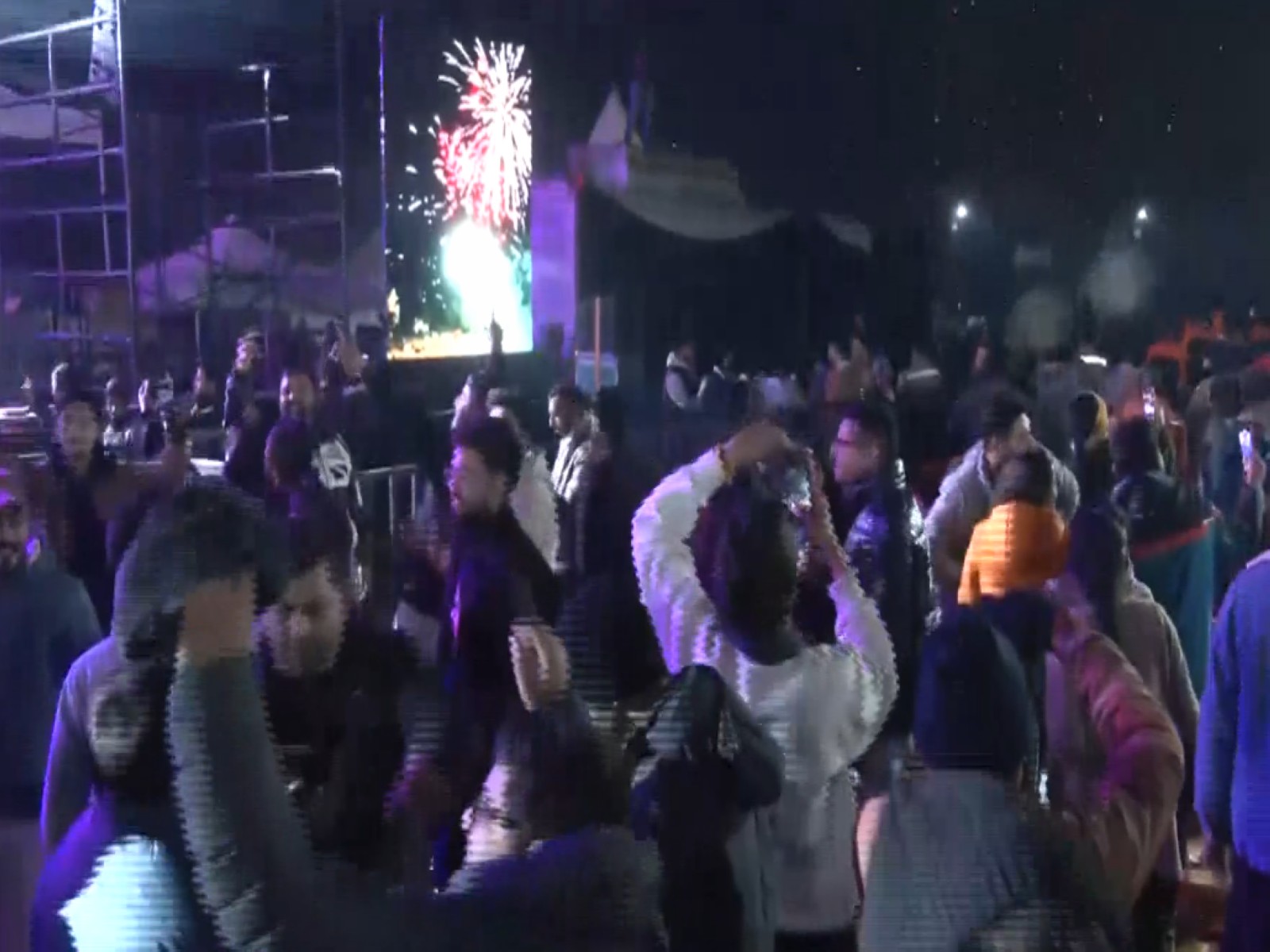
Fireworks lit up skies from Delhi to Bengaluru as people across India welcomed the New Year 2026 with music, prayers and public gatherings. The celebrations ranged from bustling urban countdowns to quieter vigils at religious sites, reflecting the country’s diverse cultural fabric.
India New Year 2026 celebrations
In the national capital, crowds gathered at Connaught Place and India Gate to ring in 2026, with music and pyrotechnics forming the centrepiece of the night. Bengaluru’s skyline was similarly bright as residents and visitors watched organised displays while police and civic authorities enforced traffic and safety measures to manage large crowds.
In Mumbai, commuters and celebrants congregated at Chhatrapati Shivaji Maharaj Terminus to celebrate midnight, and many parts of the city hosted private and public events. Goa’s coastal resorts and popular beach shacks continued their long-standing tradition of beachfront parties and fireworks, drawing both locals and tourists for an energetic start to the year.

Religious observance also marked the transition to 2026. Devotees thronged the Golden Temple in Amritsar to offer prayers and seek blessings at midnight, combining solemn rituals with the communal spirit of celebration. In the Himalayan hill station of Dharamshala, chilly temperatures did little to dampen enthusiasm, and tourists in Sonamarg celebrated amid snow-covered scenery.
The central Indian city of Gwalior hosted music-led events and fireworks, while Hyderabad and other southern cities witnessed large gatherings with organised entertainment and family-friendly festivities. Across these locations, local authorities worked with event organisers to ensure public order and the safe conduct of celebrations.
Police teams in each state deployed additional personnel and set up traffic arrangements to keep roads moving and to reduce the risk of untoward incidents. Organisers and officials encouraged sensible behaviour, advising attendees to follow safety guidelines around fireworks and to respect local regulations.
Tourism and hospitality businesses reported strong demand for year-end bookings, particularly in seaside and mountain destinations. Hotels and restaurants staged special programmes to cater to visitors, providing a boost to the hospitality sector that typically benefits from seasonal travel during the holidays.
Environmental and public-safety concerns were noted in several urban centres, where authorities sought to balance celebratory display with measures to limit disruption. In some places, limits were placed on the timing and location of large fireworks displays to minimise inconvenience to residents and reduce pressure on emergency services.
Despite the wide variety of festivities, a common theme emerged: communities across India marked the arrival of 2026 with optimism and togetherness. Families and friends gathered in homes and public spaces alike, using music, food and shared rituals to bid farewell to the past year and welcome the new one.
Officials said they would continue monitoring situations in busy districts into the early hours to ensure a smooth transition into the new year. With celebrations concluded, attention now turns to the months ahead as businesses, cultural groups and civic authorities resume regular activity following the holiday period.
For many, the start of 2026 combined tradition and festivity, offering a moment of collective hope as cities from coast to mountains ushered in another year.
Key Takeaways:
- India New Year 2026 celebrations saw fireworks and public gatherings across major cities including Delhi, Bengaluru and Mumbai.
- Tourist destinations such as Goa, Dharamshala and Sonamarg reported lively events, with hotels and local venues hosting special programmes.
- Authorities maintained security and traffic arrangements to ensure orderly festivities and public safety.








