











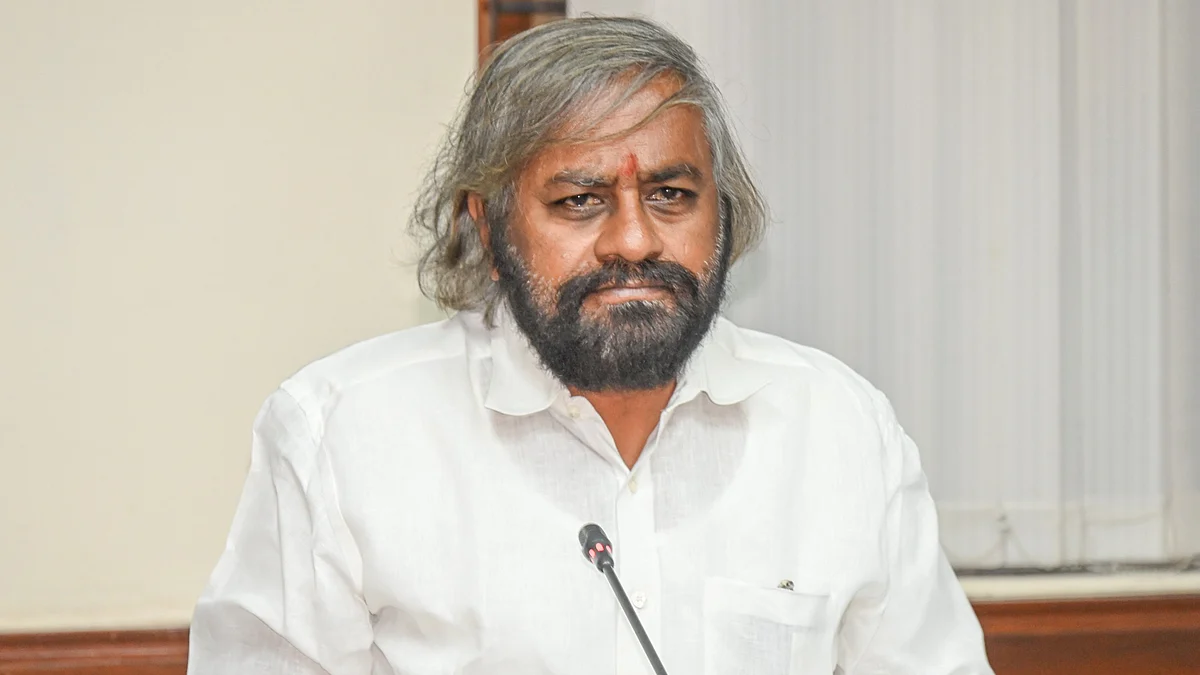
Karnataka’s Forest Minister Eshwar Khandre has urged officials to step up efforts to prevent encroachment and protect forest land, saying the department is locked in litigation over property valued at approximately Rs 50,000 crore. The appeal came during a meeting in Bengaluru where the minister highlighted both the financial and conservation stakes involved in recovering disputed land.
Karnataka forest land litigation and key cases
Mr Khandre pointed to several high-profile disputes that illustrate the scale of the challenge. These include the department’s legal struggle to recover Peenya Plantation land from Hindustan Machine Tools (HMT) and cases relating to land leased during the British period to planters in Kodagu district, which are now before the High Court. Officials were instructed to pursue encroachers and take decisive action to recover state land.
The minister also addressed immediate conservation concerns. He expressed deep regret over the death of a person in Kodagu following an elephant conflict and said protecting forest land was essential to reduce such incidents. Karnataka has experienced recurring human-wildlife encounters in recent years as agricultural expansion, settlements and resource pressures bring people and wildlife into closer contact.

In addition to human casualties, authorities are examining other wildlife fatalities. Mr Khandre ordered a probe into whether quarry blasting might have played a role in the death of a leopard, signalling a willingness to investigate industrial or developmental activities that could harm wildlife or destabilise habitats.
The dual emphasis on legal recovery and on-the-ground conservation reflects a broader policy approach. Recovering encroached forest land can serve multiple purposes: it restores habitat for wildlife, reinforces ecosystem services such as watershed protection, and secures public assets. Officials were told to step up surveillance, expedite legal proceedings and coordinate with revenue and law-and-order agencies to dismantle unauthorised occupation.
Local communities remain central to any lasting solution. While the minister urged firm action against encroachers, he also acknowledged the need to address the causes of encroachment, including livelihood pressures and historical land disputes. Effective enforcement, coupled with community engagement and alternative livelihood options, is likely to yield better long-term outcomes than eviction alone.
Legal experts note that recovering land tied up in long-running litigation can be slow and resource-intensive. High-value cases such as those named by the minister are complex, often involving overlapping claims, historical leases and multiple stakeholders. Nevertheless, the state government’s public focus on these matters may help accelerate judicial and administrative processes.
For now, Karnataka’s forest department faces an urgent task: protect remaining forest cover, reduce human-wildlife conflict, and pursue the legal recovery of encroached land. The minister’s directives signal a tighter enforcement stance and an intent to marshal both legal and conservation tools to reclaim state assets and protect biodiversity.
Officials have been asked to report progress on recovery actions and on steps to prevent further encroachment. With litigation ongoing and communities at risk of conflict with wildlife, the coming months will be important in shaping the state’s approach to forest protection and land restitution.
Key Takeaways:
- Karnataka forest land litigation involves disputed land valued at around Rs 50,000 crore and includes cases such as Peenya Plantation and British-era leases in Kodagu.
- Forest Minister Eshwar Khandre urged officials to prevent encroachment and prioritise protection to reduce wildlife conflict following a human death in Kodagu.
- The state plans legal action and enforcement against encroachers while probing environmental factors in recent wildlife deaths.








