











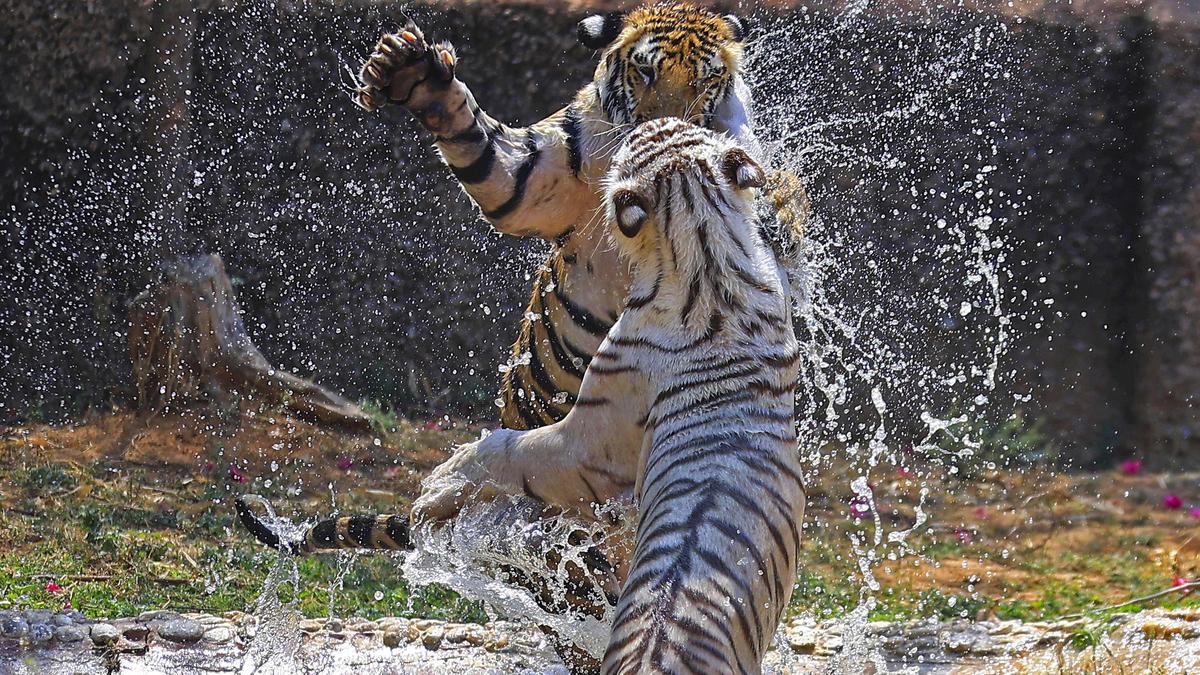
India recorded 166 tiger deaths in 2025, according to the National Tiger Conservation Authority (NTCA), 40 more than the previous year. Madhya Pradesh, often called the country’s tiger state, accounted for the highest number with 55 fatalities. Authorities and experts point to territorial conflict linked to habitat saturation as the principal factor behind many of the losses.
India tiger deaths 2025 – key causes
The NTCA data show that, of the 166 tigers found dead, 31 were cubs. Other states with significant losses included Maharashtra with 38 deaths, Kerala with 13 and Assam with 12. Officials recorded a range of causes: at least 38 deaths in Madhya Pradesh were attributed to natural causes, 10 to poaching and several to electrocution and non-targeted killings where the tiger was not the intended victim.
Wildlife expert Jairam Shukla said that as tiger numbers rise, individuals find it increasingly difficult to establish territories. “The tiger population has reached a saturation point. They are facing problems in space to establish their territories,” he said, noting a marked population increase in Madhya Pradesh since 2014.

Principal Chief Conservator of Forests (Wildlife) Subharanjan Sen emphasised the state’s investigative and patrolling efforts. He said every death is treated as a case of poaching unless evidence indicates otherwise, and noted the State Tiger Strike Force works against organised wildlife crime, including cases connected to international notices.
Official figures cited in earlier counts show India’s tiger numbers rose from 2,967 in 2018 to 3,682 in 2022, an annual growth of around 6%. India is estimated to host nearly 75% of the world’s tiger population. Madhya Pradesh’s tally rose from 308 tigers in 2014 to 785 in 2022, according to state figures, intensifying pressure on available habitat.
Seasonal and life-stage factors also contribute. Sen noted that cubs and dispersing juveniles are most vulnerable. Young tigers, particularly males leaving their natal areas after around 20 months, often clash with resident adults when suitable corridors or territories are constrained. In Madhya Pradesh, 19 of the 38 natural-cause deaths were tigers aged between one and two years.
Poaching incidents, while a smaller share of total deaths, remain a concern. The data show 10 registered poaching cases in the state this year, with 21 arrests and prosecutions underway. Several cases were described as non-targeted killings where snares or traps set for other species were implicated.
Authorities stressed that conservation policies must now focus on habitat connectivity and conflict mitigation alongside anti-poaching work. The all-India tiger census, conducted every four years, began this year and is expected to inform policy and resource allocation.
Conservationists say expanding and protecting corridors between protected areas, improving measures to prevent electrocution and maintaining rigorous field patrolling will be essential to reduce future losses. Officials added that detailed investigations and legal action will continue in all suspicious deaths.
As India prepares for the new census, the 2025 figures highlight both the success of past conservation in growing tiger numbers and the urgent need to manage space and human pressures to ensure long-term survival of the species.
Key Takeaways:
- India recorded 166 tiger deaths in 2025, 40 more than 2024, with Madhya Pradesh reporting 55 fatalities.
- India tiger deaths 2025 driven largely by territorial infighting as population growth strains available habitat and corridors.
- Of the 166 deaths, 31 were cubs; only 10 were attributed to poaching and several involved electrocution or accidental killings.
- Authorities say robust investigation and patrolling continue while the national census underway will guide future conservation planning.








