











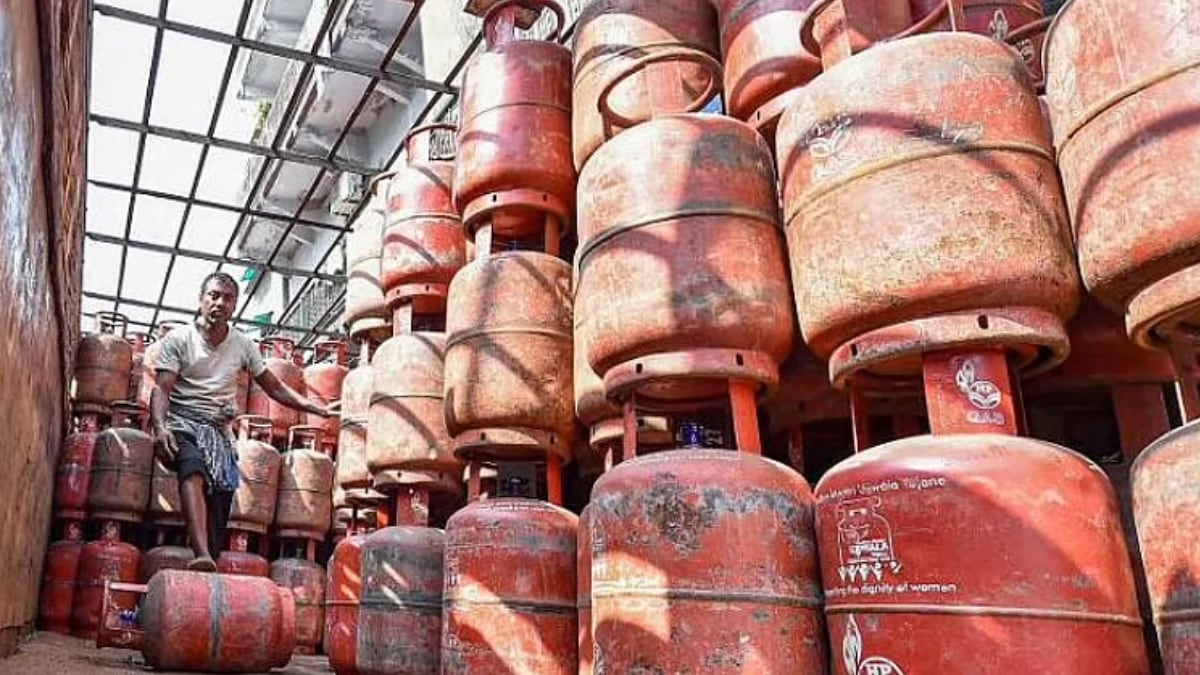
The new year began with a notable increase in commercial liquefied petroleum gas (LPG) rates in India, with the government-authorised oil companies raising the price of 19-kg cylinders by Rs 111 effective 1 January. The revision, published on the Indian Oil Corporation Limited (IOCL) website, raises concerns for restaurants and small businesses that rely on commercial cylinders for cooking and other operations.
LPG price hike India and what it means for businesses
According to IOCL’s updated schedule, the price for a commercial 19-kg cylinder in Delhi has been set at Rs 1,691.50, up from Rs 1,580.50 in December 2025. Kolkata’s rate moved to Rs 1,795, Mumbai’s to Rs 1,642.50 and Chennai now records the steepest levy among the four metros at Rs 1,849.50. Domestic household cylinder prices have not been altered in this round.
The rise is likely to add to operating expenses for the food service sector and small-scale enterprises that depend on commercial cylinders. Many restaurants, street-food vendors and catering services purchase 19-kg cylinders; a sustained increase could erode margins or prompt businesses to raise consumer prices.

Commercial LPG rates had been relatively stable in recent months, with only minor month-on-month fluctuations. The current levels are the highest recorded since June 2025, a development that market watchers say bears monitoring as it may feed into broader inflationary pressures in services and food segments.
Industry representatives said the timing of the hike is unwelcome for businesses that were already managing tight margins. “A sudden increase in fuel costs affects our operating budgets directly,” said a spokesperson for a small restaurant association, requesting anonymity. “We will consider modest price adjustments but will try to absorb some of the rise where possible.”
Despite the increase for commercial cylinders, household consumers will see no immediate change in domestic cylinder prices, according to the IOCL notice. Analysts note that keeping domestic rates steady can help dampen direct inflationary impact on households but does not eliminate cost pressures on sectors that support everyday consumption, such as eateries and catering services.
Consumers may experience indirect effects if businesses pass on higher fuel costs through menu price increases or reduced promotional offers. Food industry observers also point out that the pass-through will vary by segment; larger restaurant chains may be better placed to absorb short-term rises than smaller operators.
Policymakers and industry bodies will be watching subsequent monthly revisions closely. Commercial LPG is sensitive to global energy markets, exchange rates and domestic distribution costs. Any continuation of upward pressure over several months could prompt calls for targeted relief or temporary subsidies for the most affected micro-enterprises.
The IOCL update, posted early on Thursday, indicated the adjustment had been applied overnight. The company said it would continue to publish weekly and monthly updates as required. This story will be updated as further details and reactions become available.
Key Takeaways:
- LPG price hike India: Commercial 19-kg cylinders increased by Rs 111 effective 1 January, with Delhi at Rs 1,691.50.
- Domestic cylinder rates remain unchanged, but restaurants and small firms face higher operating costs.
- Prices are at their highest level since June 2025, raising concerns about cost pass-through into food and services.








