











Winter conditions over Delhi and the surrounding National Capital Region are set to deepen this week, as the India Meteorological Department (IMD) has forecast cold wave conditions at isolated locations between 2 and 5 January. Residents should expect lower night-time minimums and persistent dense fog during the night and early morning until 6 January.
Delhi air quality shows signs of improvement
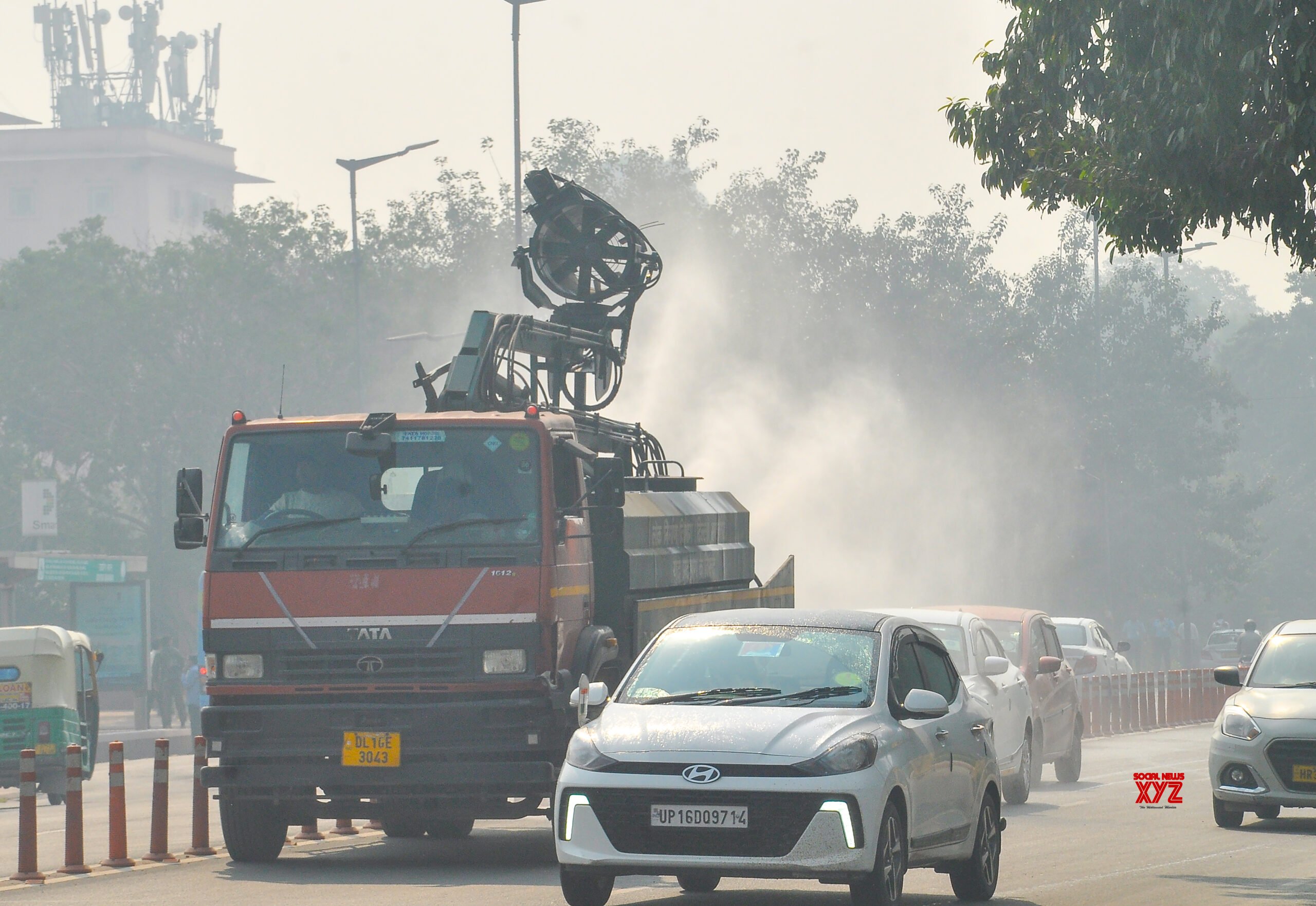
Despite falling temperatures, Delhi air quality registered a marginal improvement on Friday. Pollution monitors reported a city-wide 24-hour average Air Quality Index (AQI) of 380, which remains in the ‘very poor’ category, although some stations recorded slightly lower readings compared with earlier in the week. Anand Vihar recorded the worst level at 423, while several other areas remained in the very poor to severe range.
Area-specific AQI readings included Dwarka Sector 8 at 338, IGI Airport at 259, ITO (CPCB) at 326, JLN Stadium at 362, Mundka at 347 and NSIT Dwarka (CPCB) at 411. Neighbouring NCR cities showed improvement as well: Noida’s AQI was 299 (poor), Gurugram 232 (poor), Faridabad 220 (poor) and Ghaziabad 300.

The IMD defined the expected cold wave as a fall in minimum temperatures between 4.5°C and 6.5°C below the long-term average for the season. Similar conditions were forecast for Rajasthan, Punjab and Haryana through 5 January. Meteorologists warned that dense to very dense fog is likely to persist during the night and early morning across many parts of Delhi until 6 January, reducing visibility and affecting road and air travel.
Air India and IndiGo issued advisories noting that flight schedules may be impacted by the fog. IndiGo said it had cancelled some flights in advance to reduce passenger inconvenience. At 07:30 local time, the status report for operations at Indira Gandhi International (IGI) Airport indicated CAT I operations were underway, visibility measured about 1,300 metres, and there were no diversions reported.
Public health experts and pollution authorities urged residents, particularly those with respiratory or cardiovascular conditions, to limit prolonged outdoor exertion while the AQI remains elevated. The Central Pollution Control Board (CPCB) data showed 26 monitoring stations in the very poor category and 11 in severe condition, underscoring that the apparent improvement is relative rather than absolute.
City officials and traffic authorities have been monitoring the situation closely, with contingency plans for emergency services and airport operations. Commuters were advised to allow extra travel time during peak fog periods and to check with airlines for schedule updates.
On 31 December 2025, Delhi recorded its coldest December day since 2019, with a maximum temperature of 14.2°C—around 6.2°C below the seasonal normal—a reminder of the broader cold spell affecting large parts of northern India. Authorities will continue to track temperature trends and air quality readings closely as the cold wave progresses.
Source: IANS
Key Takeaways:
- Cold wave conditions expected in Delhi-NCR from Jan 2–5 with dense night and morning fog predicted until Jan 6.
- Delhi air quality registered a marginal improvement, with the city-wide 24-hour AQI at 380 (very poor) and some stations remaining in the severe range.
- NCR cities including Noida, Gurugram and Faridabad recorded better readings though several areas still saw poor to very poor pollution levels.
- Airline advisories and CAT I operations at IGI Airport indicate travel disruption risk due to reduced visibility.








