











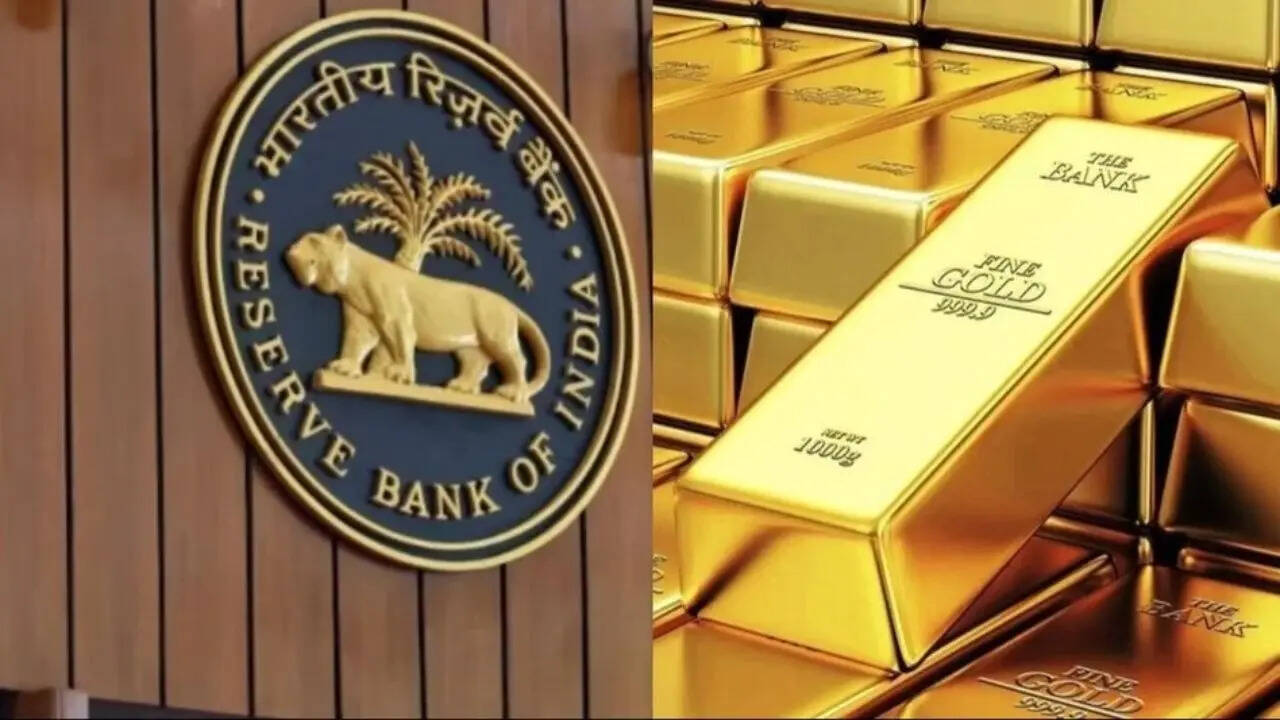
Gold-backed lending has emerged as the fastest-growing retail credit segment in India, expanding rapidly as bullion prices climbed through 2025. Reserve Bank of India (RBI) data show outstanding gold loans jumped from Rs 898 crore in November 2023 to Rs 1.59 lakh crore in November 2024 and then surged to Rs 3.5 lakh crore by November 2025.
India gold loans surge as prices climb
The sharp rise reflects a near 64% increase in gold prices in 2025, which lifted the collateral value of even small quantities of gold and allowed borrowers to secure larger sums. That enhanced borrowing power has made gold loans an attractive short-term credit option for households and small businesses, particularly for urgent working capital needs.
“This sharp growth reflects a structural shift in how households and small entrepreneurs access credit,” said Manish Mayank, head of gold loan business at IIFL Capital. He added that gold loans deliver speed, transparency and minimal documentation, while their secured nature reduces lender risk and helps keep borrowing costs relatively affordable.

Banks have expanded their presence in the segment and now hold 50.35% of the gold loan market, edging past non-banking financial companies (NBFCs). The RBI’s Trends and Progress report notes that NBFCs continue to grow their portfolios, with outstanding gold loans among NBFCs estimated at about Rs 3 lakh crore, but banks’ share has risen as they scaled up offerings.
Major players in the market include Muthoot Finance, Manappuram Finance and IIFL Finance. Combined gold loans from banks and NBFCs accounted for approximately 5.8% of total outstanding loans as of end-September, according to the RBI’s Financial Stability Report.
While gold loans are expanding quickly, other loan segments posted mixed results. Vehicle loans rose 11% year-on-year to Rs 6.8 lakh crore by end-November, supported by GST cuts and festive offers. Personal loans increased 12.7% and commercial real estate loans were up 12.5%. Credit to the services sector grew 11.7%, while loans to NBFCs and industry each expanded 9.5%.
Some consumer categories have moderated. Consumer durable loans contracted after the festive season, and within personal lending the share of home loans slipped slightly from 16.66% to 16.43%. Credit card outstanding declined from 1.66% to 1.52% year-on-year, signalling a softer consumption momentum in the post-festive period.
Housing credit rose 9.8% year-on-year to Rs 31.9 lakh crore, helped by lower home loan rates earlier in the year. Trade credit expanded fastest among sectors, up 14% to Rs 12.3 lakh crore, driven in part by relief measures from the government and RBI, including moratorium allowances for exporters.
Analysts say the growth in gold loans highlights how secured lending can expand access to formal credit when asset values rise. For lenders, gold loans offer lower default risk, while for borrowers they provide quick liquidity without the paperwork typically associated with unsecured personal loans.
As the broader consumption-led credit momentum shows signs of moderation, gold loans are likely to remain a significant and growing component of India’s retail lending market in the near term, especially if bullion prices stay elevated.
Key Takeaways:
- India gold loans rose 125% year-on-year, driven by a sharp rally in bullion prices that increased collateral value.
- Outstanding gold loans climbed from Rs 898 crore (Nov 2023) to Rs 3.5 lakh crore (Nov 2025), with banks now holding a slight market lead.
- Gold loans are meeting urgent working capital needs with speed and low documentation, expanding access for households and small businesses.
- Broader credit growth shows mixed trends, with vehicle and personal loans rising while some consumer categories moderate.








