











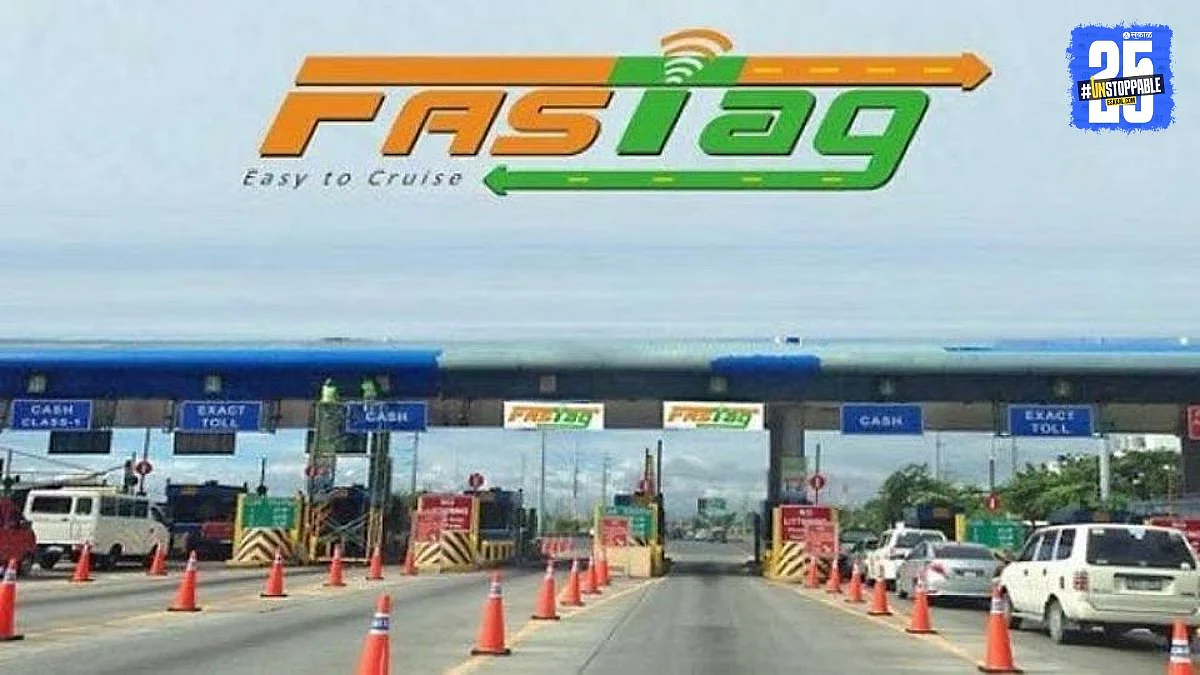
The Indian government will implement revised procedures for FASTag issuance and activation from 1 February 2026, aiming to simplify compliance for motorists and reduce instances of duplicate or fraudulent tags. The National Highways Authority of India (NHAI) announced that separate KYC procedures for new FASTag purchases will be eliminated. Instead, a single verification of vehicle details via the national vehicle portal will suffice.
FASTag KYC rules update
The change means motorists buying a FASTag for a newly registered vehicle will no longer face repeated KYC submissions. Authorities will use the vehicle registration number (RC) to perform a one-time verification against the central vehicle database. Banks and issuing agencies will still be required to complete full validation before activating any FASTag; no tag will be activated without matching vehicle information on the portal.
Under the revised process, the burden of multiple document uploads, mismatched information and repeated requests from issuing agencies should be substantially reduced. NHAI officials said the measure is part of a broader effort by the central government to streamline rules and improve transparency in transport and toll collection systems.

Existing FASTag holders should see minimal disruption. If a FASTag is already linked to a vehicle and no complaint or discrepancy exists, there will be no requirement to redo KYC. Authorities will reopen verification only where a FASTag appears to have been issued incorrectly or where vehicle details do not match records.
For consumers, the practical outcome will be faster activation and fewer administrative hurdles when acquiring a FASTag. The move also aims to close gaps exploited for fraudulent or incorrect FASTag issuance. By requiring banks and issuers to reconcile FASTag information with the vehicle portal before activation, the government expects a decline in misuse and erroneous accounts.
How the verification will work
Banks and issuing agencies must now crosscheck customer-provided details with the national vehicle database. This means the vehicle registration number will be validated against official records; only after successful reconciliation will a FASTag be activated. The policy change does not remove all verification: instead it centralises and streamlines the process so that a single authoritative check replaces multiple manual KYC steps.
Officials noted that where a FASTag has been issued in error, or where vehicle details are inconsistent, an inquiry will follow and corrective action will be taken. That may include reissuing a tag, deactivating a tag, or other remedial steps depending on the nature of the discrepancy.
Implications for motorists and toll operations
Road users are likely to welcome the simplification, particularly those who previously experienced delays or multiple requests for documentation. For toll operators and banks the change will require robust interfaces with the vehicle database and consistent validation protocols to ensure accuracy and avoid activation delays.
The government says the reforms will strengthen the integrity of the FASTag system, reduce administrative friction for motorists and help ensure that toll revenues are collected more reliably. Motorists are advised to confirm their vehicle registration details are correct on the national portal and to contact their issuing bank only if they face any issues after 1 February 2026.
Further guidance and technical instructions for banks and FASTag issuers are expected from NHAI and the Ministry of Road Transport in the weeks leading up to implementation.
Key Takeaways:
- From 1 February 2026 the government removes separate KYC requirements for new FASTag purchases, reducing paperwork for motorists.
- Vehicle registration (RC) will be verified once through the national vehicle portal and banks must match FASTag details before activation.
- Existing FASTag holders will not need to repeat KYC unless there are discrepancies or complaints.








