











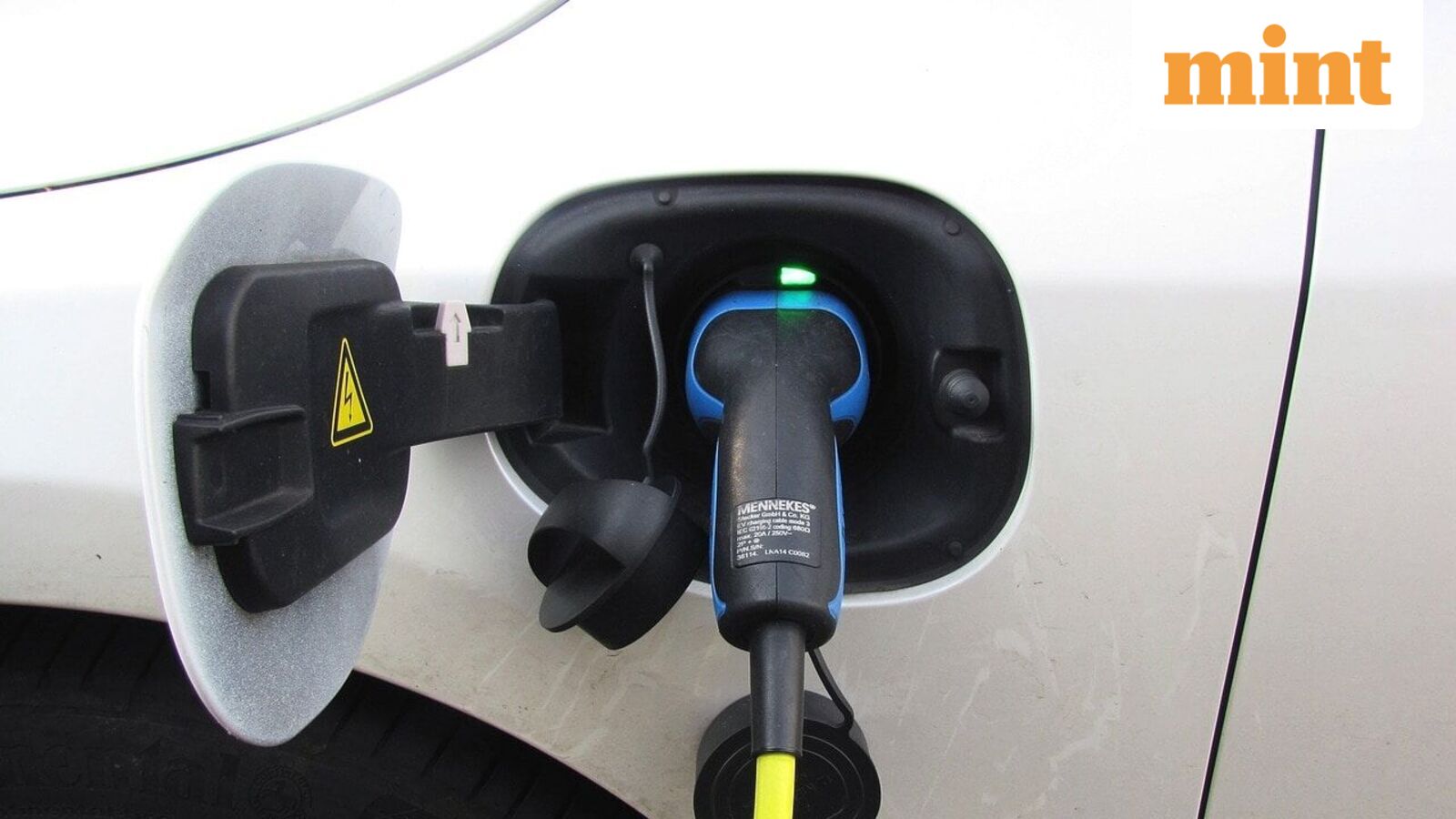
Indian authorities are considering the introduction of dedicated roadside rescue hubs for electric vehicles (EVs) on access-controlled expressways, according to two officials familiar with the plan. The proposed centres would offer real-time assistance, charging facilities and technical support to motorists, tackling one of the major barriers to wider EV adoption: range anxiety.
India EV roadside rescue hubs to ease range anxiety
The hubs are intended to act as control and command centres that coordinate emergency response and routine assistance for EVs that encounter problems on highways. Officials said the design would combine fixed charging points with mobile-response units and technical teams able to carry out on‑site diagnostics and minor repairs.
By situating the facilities on access-controlled expressways, planners aim to cover major long-distance routes that link cities and industrial corridors. The availability of rapid assistance and reliable charging along these stretches could make longer journeys in electric vehicles more practical for private drivers and commercial fleets alike.

“The proposal is at a planning stage,” one official said. “The idea is to create a visible and dependable support network on expressways so drivers do not hesitate to use EVs for inter-city travel.” A second official confirmed the concept and said details, including the number and exact location of hubs, are being assessed.
India has been expanding its EV ecosystem in recent years, with increasing investments in charging infrastructure and manufacturing. Yet gaps remain in highway charging coverage and in rapid-response services when vehicles experience faults or depletion. The proposed hubs would seek to bridge those gaps by providing both fixed infrastructure and on-call support.
Possible services under consideration include fast-charging stations capable of replenishing battery capacity to enable the vehicle to reach the next full-charge point, on-site technical assistance to diagnose and address minor electrical or battery issues, and coordinated towing and recovery services for faults that cannot be resolved roadside. Officials also envisage real-time monitoring and a centralised helpline to dispatch help swiftly.
Private-sector partnerships and integration with existing toll and highway management systems are likely to play a role, according to the officials. Governments often partner with energy companies, OEMs and specialised service providers to roll out infrastructure at pace and scale; similar models have been used in other countries to expand highway charging networks.
Stakeholders in the automotive and logistics industries welcomed the idea in principle, noting that dependable roadside support could reduce operational risk for electric commercial vehicles and improve consumer confidence. Industry groups emphasised the need for interoperable payment and charging standards, strong service-level agreements and clear regulatory guidelines to ensure consistent, nationwide coverage.
Implementation would also require careful planning on power supply and grid connections at expressway locations, especially for high-capacity fast chargers. Officials said these technical considerations are part of the ongoing assessments.
While the plan remains under consideration, it reflects a broader push to make EVs a viable option for a wider range of travel scenarios in India. If adopted, roadside rescue hubs on expressways could accelerate EV uptake by addressing a practical concern for drivers and fleets, and by signalling greater public and private commitment to electric mobility infrastructure.
Key Takeaways:
- India plans dedicated control and command centres on access-controlled expressways to provide real-time assistance and charging for EVs.
- The initiative aims to ease range anxiety and enable safer long-distance travel for private and commercial electric vehicles.
- Services are expected to include technical support, charging points and coordinated roadside response, potentially with private-sector partnerships.








