











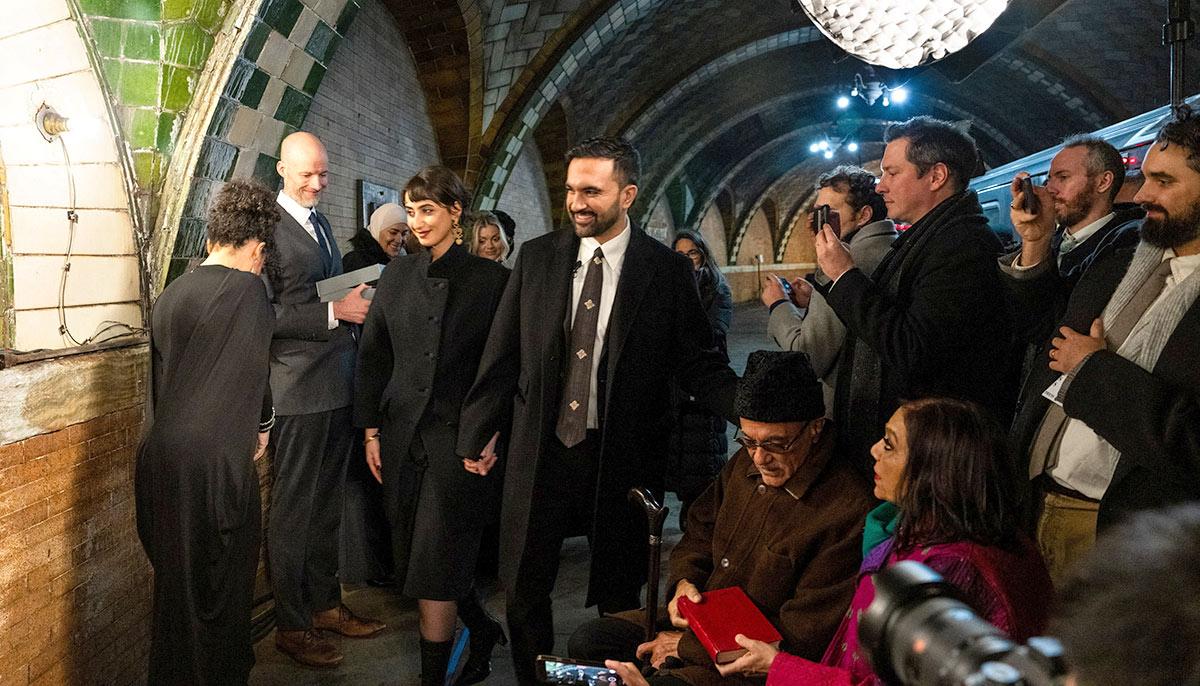
Zohran Mamdani, a democratic socialist of Indian descent, was sworn in as Mayor of New York City on Thursday, pledging to make the city more affordable for working‑class residents and to prioritise practical reforms in housing, transport and labour policy.
Zohran Mamdani Mayor of New York ushers in working‑class agenda
Mamdani took the oath before a crowd of supporters and city officials, promising an administration focused on reducing living costs, improving public services and restoring trust in local government. He said his immediate priorities would include measures to expand affordable housing, strengthen tenant protections and reform city transit to better serve neighbourhoods outside Manhattan.
Born to parents of Indian heritage and active for years in community organising, Mamdani campaigned on a platform that stressed direct action on everyday pressures faced by families across the five boroughs. His ascent to the mayoralty marks a visible moment for the Indian diaspora in the United States, and for progressive movements in municipal politics.

Analysts say Mamdani’s election reflects broader shifts in urban electorates where concerns about housing costs, wage stagnation and public transport dominate. Supporters welcomed his emphasis on working‑class priorities and on holding city agencies to account for service delivery.
In his inaugural remarks, Mamdani outlined policy steps designed to have immediate impact. He proposed accelerating the creation of affordable units through revisions to zoning and incentives for non‑profit developers, expanding rental assistance programmes, and launching targeted subsidies for low‑income commuters dependent on public transit. He also pledged to strengthen labour standards for city contractors and to work with unions on job quality in municipal projects.
City council members and community leaders who backed Mamdani’s campaign said they expected a hands‑on approach that would pair administrative changes with community oversight. Critics, including some business groups, warned that rapid regulatory changes could unsettle investment and warned for a careful balance between support for small businesses and tenant protections.
Mamdani’s appointment also carries symbolic weight for international observers. As an elected leader of Indian descent in one of the world’s most prominent cities, he represents a strand of diasporic influence that often bridges civic engagement across borders. Though his role is municipal rather than diplomatic, his leadership is likely to be watched in countries with large diasporas, including India.
The mayor has said he will seek pragmatic partnerships with state and federal authorities to secure funding for housing and transit upgrades. He emphasised the need to align city programmes with long‑term fiscal responsibility to ensure reforms are sustainable.
As Mamdani settles into office, immediate measures and early administrative appointments will indicate how quickly his agenda moves from promise to implementation. For many residents, the test will be tangible improvements: steadier rents, more reliable transit and better access to jobs and services. For the Indian diaspora and progressive observers abroad, his tenure will be watched as an example of civic leadership emerging from diverse communities.
Mamdani’s inauguration sets a clear tone for the coming months: prioritise working‑class New Yorkers, pursue feasible policy changes and build coalitions across the city’s varied constituencies.
Key Takeaways:
- Zohran Mamdani, of Indian descent, has been sworn in as Mayor of New York City, pledging policies for working‑class New Yorkers.
- The swearing‑in highlights the growing influence of the Indian diaspora in global politics and civic leadership.
- Mamdani outlines priorities on housing affordability, transit and labour rights, signalling a shift toward progressive municipal governance.








