











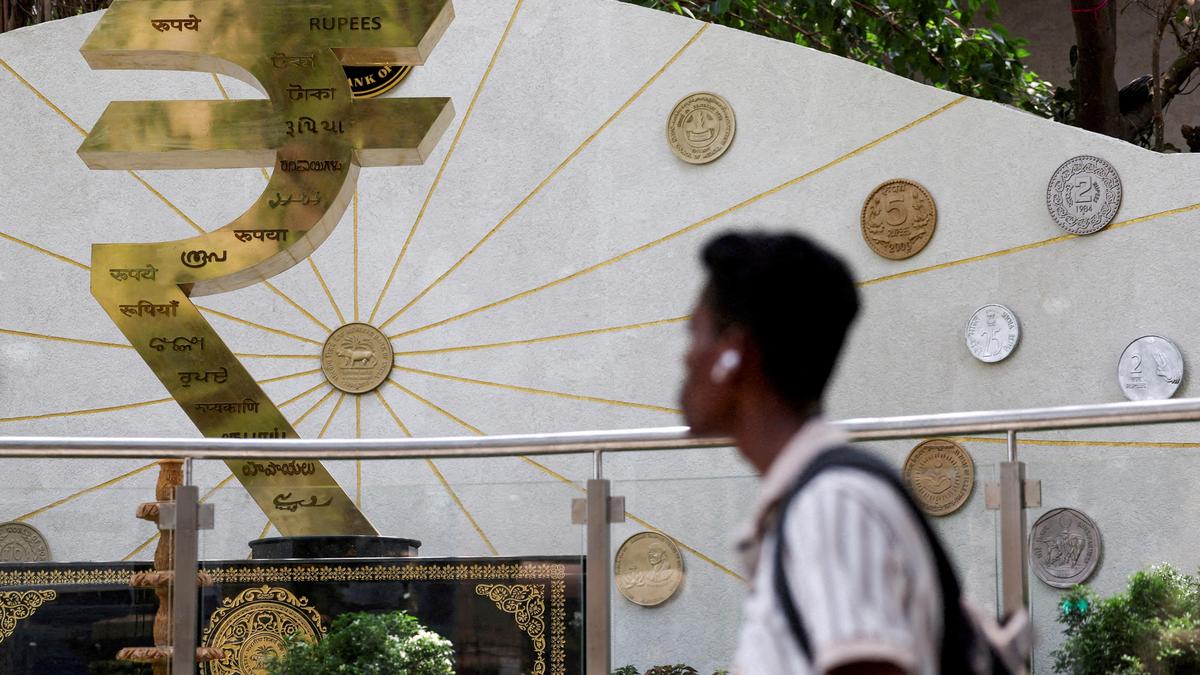
India enters 2026 riding what officials describe as a Goldilocks phase where healthy growth, low inflation and a resilient banking sector combine to support expansion. Successive quarters of acceleration pushed real GDP growth to 8.2 per cent in Q2 of 2025 26, and the Reserve Bank revised its full year projection for FY2025 26 up to 7.3 per cent.
Indian economy 2026 outlook
The government points to a $4.18 trillion economy that has overtaken Japan to claim the fourth spot globally, and projections indicate India could surpass Germany to become the third largest economy in roughly 2.5 to 3 years. Policymakers are preparing a Union Budget aimed at easing living costs and improving the business climate, with measures expected to spur capital expenditure and attract private funding.
Authorities are also updating the national accounts base year to 2022 23, addressing concerns raised by the IMF about GDP methodology and improving statistical clarity. Domestic demand has been the principal growth driver, supported by rural consumption, easing inflation and a pick up in fixed investment. On the supply side, services have continued to expand while manufacturing staged a revival after an earlier lull. Agricultural output and comfortable foodgrain stocks helped keep price pressures subdued.

International agencies including the World Bank, IMF, Moody s, OECD, Fitch and S&P have reflected a broadly positive view on India s near term prospects. The government s reform push, which in 2025 included GST rate reductions and implementation of new labour codes, aims to improve the ease of doing business and reduce operating costs for firms.
Large multinational firms have signalled confidence with big ticket investment pledges. Microsoft announced plans to invest $17.5 billion by 2030, Amazon committed $35 billion over five years and Google pledged $15 billion over five years. Apple, Samsung and ArcelorMittal Nippon Steel India have also outlined expansion plans that are expected to create jobs and deepen supply chains.
Economic experts say momentum will moderate from the extraordinary pace seen in 2025 but remain resilient. Madan Sabnavis of Bank of Baroda highlighted the strength of the domestic economy and noted exporters have adapted to tariff pressures by diversifying markets and negotiating with key customers. Aditi Nayar of ICRA expects growth to remain around 6.5 to 7 per cent over coming quarters, supported by potential income tax and GST cuts and interest rate easing. Dharmakirti Joshi of Crisil projects 6.7 per cent GDP growth and inflation near 5 per cent in fiscal 2027, characterising weak capital inflows and currency depreciation as transitory.
External risks persist. Foreign portfolio outflows weighed on the rupee in parts of 2025 and elevated US tariffs on some Indian exports dampened investor sentiment. A likely India US trade agreement, if concluded, would be a significant boost to exports and industry, including MSMEs, and help resolve some of the tariff related uncertainty.
Looking ahead, the Budget due in February is expected to include further measures to deepen reforms, maintain capex momentum and attract private capital. With policy support, continued investment and major foreign commitments, India aims to sustain a favourable growth inflation mix into 2026 even as it navigates external headwinds.
Key Takeaways:
- Indian economy 2026 poised for a Goldilocks phase of robust growth and low inflation backed by policy reforms and private investment.
- RBI raised FY2025–26 growth to 7.3 per cent while India surpassed Japan to become the world fourth largest economy.
- Major foreign investments and a likely India US trade deal are expected to deepen exports and private capital inflows.
- Risks include tariff tensions, portfolio outflows and currency volatility, but reforms and capex targets aim to sustain momentum.








