











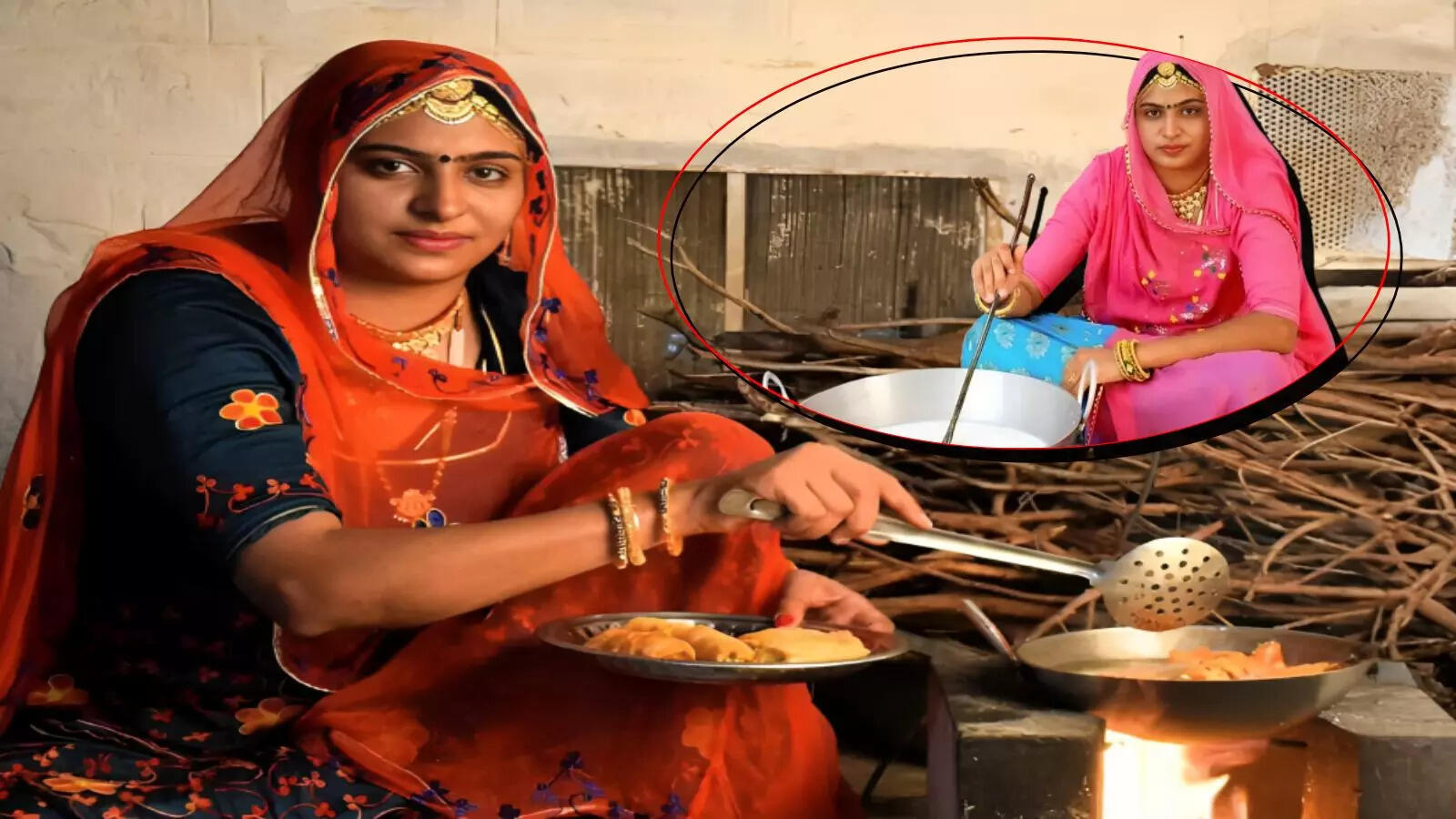
Kaushalya Choudhary’s rise from a small village near Jodhpur to the owner of a nationwide food brand exemplifies grassroots entrepreneurship in India. What began as a failed Hindi cooking channel turned into a thriving business after she switched to her native Marwari and embraced traditional recipes under the Sidhi Marwadi brand.
Sidhi Marwadi success drives rural employment and clean-label food
Choudhary launched her first channel in 2017 on a modest smartphone but the venture struggled for two years. In February 2019 she relaunched in Marwari as Sidhi Marwadi. The local language content struck a chord and her subscriber base climbed rapidly, reaching more than 1.7 million followers. That digital prominence became the foundation for a commercial venture selling authentic, chemical-free products.
In 2020 Choudhary suffered a fraud that cost her INR 400,000. Rather than retreat, she used the experience to refine her approach. Her participation in MasterChef India in 2023, where she reached the top 12 among 40,000 contestants, boosted her profile and confirmed the market appetite for regional Indian cuisine.

In March 2024 Choudhary invested INR 2 million from her YouTube earnings to formally launch Sidhi Marwadi as a clean-label food startup. Headquartered in Jodhpur, the brand now sells more than 30 products including spices, cold-pressed oils, dried vegetables and pickles. All products are marketed as natural and free from synthetic additives.
The social model sits at the heart of the business. Sidhi Marwadi directly employs over 35 rural women in production and packaging. Of the brand’s 39 retail outlets across India, the majority are operated by women franchisees. This franchise structure helps convert content-driven popularity into tangible income and local entrepreneurship. Choudhary’s husband contributes to raw material sourcing and brand building, supporting operations on the supply side.
Financially the startup reports profitability without any external funding and says it has served more than one million customers. The brand aims to reach more than 100 stores across India by the financial year 2025-26. Choudhary also plans to enter international markets including the United States, Canada and Australia to introduce Rajasthani flavours to the diaspora and new consumers abroad.
Experts in small business growth point to three elements behind Sidhi Marwadi success: strong digital reach in a regional language, a clear product promise rooted in traditional recipes and a social enterprise model that scales by empowering women entrepreneurs. The brand’s progress demonstrates how digital fame can translate into economic activity that benefits rural communities.
As Sidhi Marwadi prepares for its next phase of expansion, the company will face operational challenges such as supply chain scaling, quality control and international regulatory compliance. If it navigates those hurdles successfully, the venture could become a model for other content creators looking to move into product-based businesses that combine cultural heritage with commercial viability.
Key Takeaways:
- Sidhi Marwadi success began with a local-language YouTube channel and grew into a profitable clean-label food brand.
- The brand employs over 35 rural women directly and runs most of its 39 outlets through women franchisees, promoting women’s economic empowerment.
- Kaushalya Choudhary invested INR 20 lakh of her earnings to launch the business and it now serves over 1 million customers without external funding.
- Expansion plans target 100+ stores in India by FY2025-26 and international markets including the US, Canada and Australia.








