











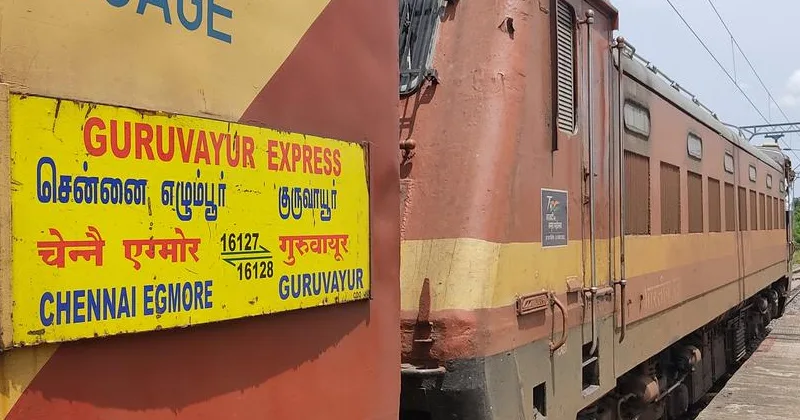
Indian Railways has implemented a New Year timetable that cuts travel times for a number of long-distance services, railway officials confirmed. The change, framed by the operator as a passenger-focused improvement, follows infrastructure upgrades and a review of station halts designed to speed up services and improve punctuality.
What the Indian Railways travel time reduction means for passengers
The Indian Railways travel time reduction affects several prominent overnight and intercity trains, with commuters and long-distance travellers set to benefit from shorter journeys and more reliable arrival times. Authorities said the adjustments were achieved through a combination of route upgrades, better signalling, and trimming of non-essential stoppages.
Many of the amended services serve major corridors that link metropolitan centres with regional hubs, improving connections for business travellers and tourists alike. Reduced journey times are expected to make rail travel more competitive with road options, offering passengers a faster and often greener alternative.

How the improvements were achieved
Railway planners attributed the time gains to targeted investments and operational changes. These include recent track renewals on selected stretches, progressive electrification, and the deployment of modern locomotives capable of sustaining higher speeds. Improved signalling systems have allowed for closer train spacing and fewer unscheduled delays.
Operational efficiencies such as optimised platform assignments and revised halt patterns have also played a part. By shortening dwell times at some intermediate stations and aligning timetables to reduce conflicts, the network is able to maintain quicker end-to-end schedules without compromising safety.
Impact on commerce and tourism
Shorter travel times tend to benefit local economies. Businesses gain from quicker movement of people and, where applicable, time-sensitive freight. Tourism operators welcomed the adjustments, noting that faster connections make regional destinations more accessible to weekend visitors and holidaymakers.
Rail advocates pointed out the environmental advantage. As journeys become faster and more convenient, some travellers are likely to shift from road to rail, reducing congestion and emissions along busy intercity routes.
What passengers should know
Passengers are advised to check the updated timetables and confirm their bookings before travel. While the revisions are intended to improve punctuality, travellers should allow time for transitional scheduling effects in the first few weeks after implementation. Counters and online platforms will reflect the new departure and arrival times.
Rail officials said that further timetable reviews are scheduled as part of an ongoing modernisation plan. The authority remains focused on improving speed, safety and service quality across the network.
For many regular users the New Year changes will be felt immediately as shorter and more predictable journeys. If the improvements are sustained, they could help reinvigorate long-distance rail travel across the country while supporting regional connectivity and economic activity.
Key Takeaways:
- Indian Railways has reduced journey times for several long-distance trains under its New Year timetable.
- Changes follow track upgrades, timetable rationalisation and improved signalling to raise average speeds.
- Passengers can expect shorter travel times, better punctuality and potential boosts to tourism and commerce.








