











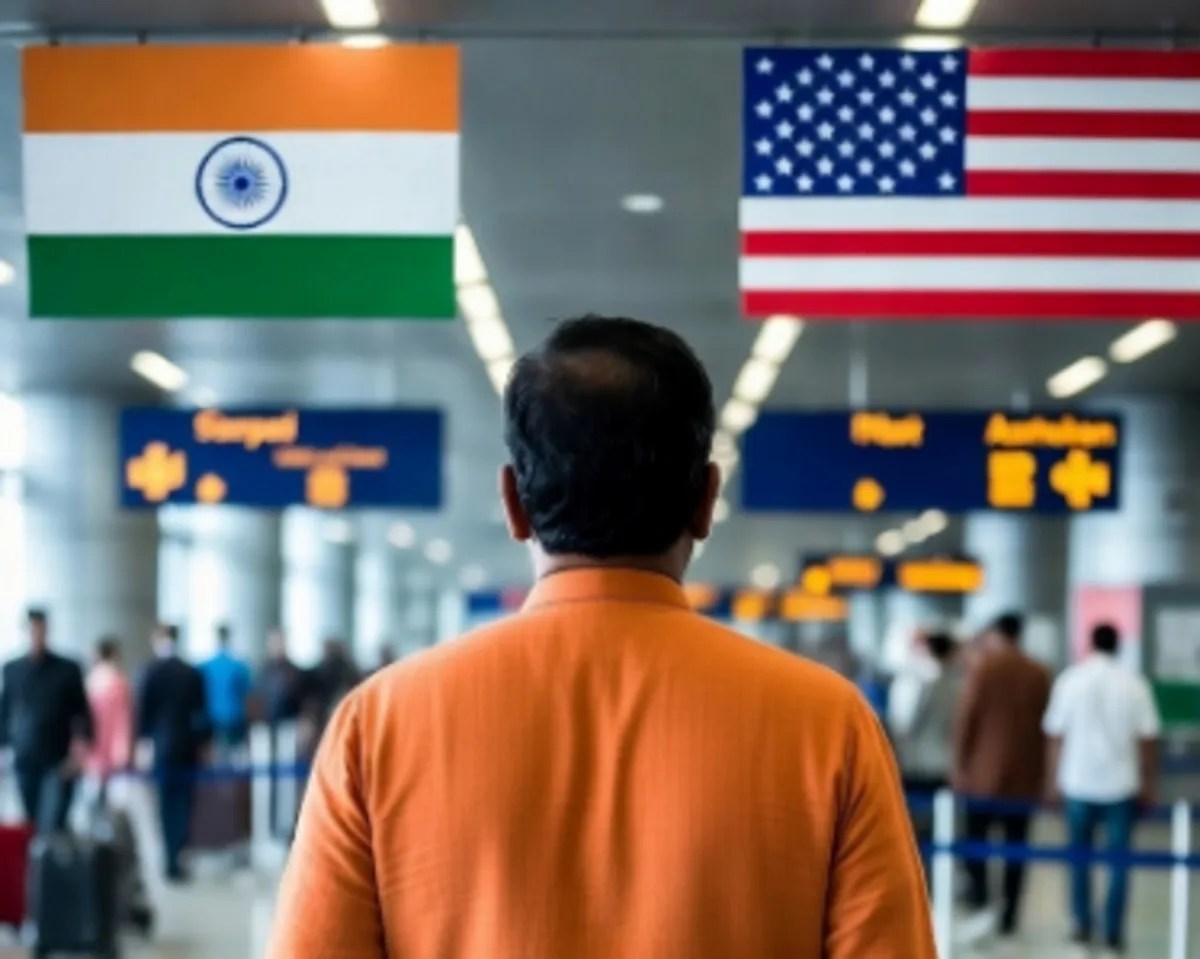
An Indian man who spent seven years in the United States has returned to India and told his story online, saying he has no regrets about the move. His account comes amid a wave of recent returns by Indian nationals, some voluntary and others following deportation, that has drawn attention to shifting migration patterns.
Indian returns from USA after seven years
The man, who shared his experience on social media, said he lived in the US for nearly seven years before deciding to come back. He described his decision as deliberate and free of regret, emphasising that personal priorities and circumstances had changed since he first emigrated. While he did not detail every reason for his return, his narrative echoes broader commentary from experts and returnees about the complex mix of factors prompting people to leave or come back.
Over the past year, numerous reports have noted an uptick in Indians returning from the United States. Some returned by choice, citing family ties, job prospects at home, or dissatisfaction with living costs abroad. Others were deported after falling afoul of immigration rules. The story shared by this man sits in that mix, offering a first‑person perspective that humanises broader migration statistics.

Analysts point to several drivers behind these movements. Changes to immigration policy in the US have made long‑term settlement harder for some migrants, while rising living expenses and housing costs have reduced the financial advantages that once drew workers abroad. Simultaneously, India’s expanding economy and growing opportunities in technology, services and entrepreneurship have made returning home a viable and attractive option for many.
The returned migrant said he had focused on rebuilding his life in India and reconnecting with family. He noted practical challenges on arrival, such as readjusting to the job market and reintegrating socially, but added that support from relatives and an improving domestic economy had eased the transition.
Experts caution that individual stories vary widely. For some, returning is a planned step in a longer migration strategy—spending time abroad to gain skills and savings before coming home. For others, returns can be abrupt and stressful, especially when linked to legal or administrative issues overseas. Policy-makers and civil society organisations have a role to play in smoothing these transitions by improving access to information, recognition of abroad experience, and reintegration assistance.
Public reaction to such personal accounts is mixed. Many readers express sympathy and curiosity, while others use the stories to debate immigration policy and labour mobility. The man’s message — that he felt no regret — resonated with viewers who said that successful reintegration is possible when returnees find meaningful work and social support.
As migration flows evolve, individual narratives like this one provide valuable insight into the motivations and challenges facing migrants. They also underline that migration decisions are rarely driven by a single factor; instead, they reflect a combination of economic, familial and personal considerations. For this returnee, the seven years abroad were a chapter he has closed with contentment, and his online account contributes to a larger conversation about the changing patterns of movement between India and the United States.
Key Takeaways:
- An Indian national returned to India after seven years in the United States, saying he has no regrets.
- The return reflects a wider trend of Indians coming back from the US, some voluntarily and others via deportation.
- Indian returns from USA highlight factors such as changing immigration policies, cost pressures and personal priorities.








