











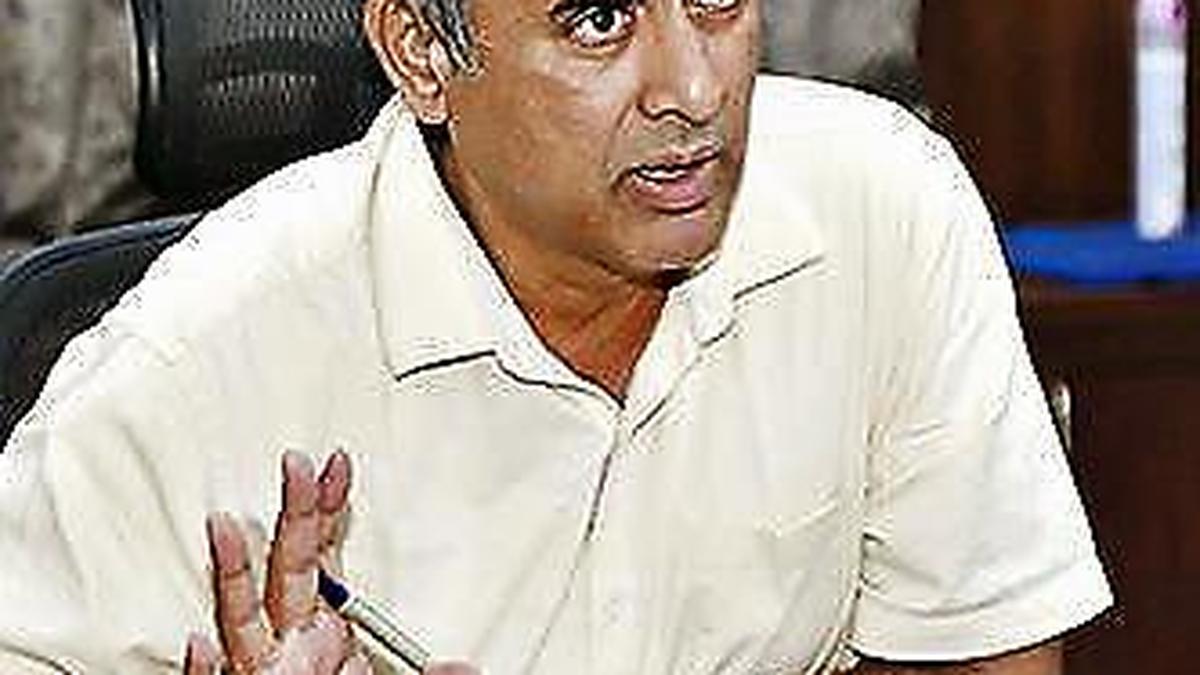
The Greater Bengaluru Authority (GBA) has ordered all civic agencies to stop cutting roads without prior authorisation, warning that violations will attract penalties and potential criminal proceedings. The directive, issued at a coordination meeting chaired by GBA Chief Commissioner M. Maheshwar Rao, aims to reduce disruption and ensure a standard approval process across the city.
Mr Rao emphasised that permissions must be sought through the Marks software and that bypassing the system would not be tolerated. He told officials from Bescom, KPTCL, BWSSB and GAIL that any department found cutting roads within GBA limits without authorisation would face fines and legal action. City corporations were instructed to scrutinise applications submitted via Marks promptly and to issue approvals without delay.
Bengaluru road-cutting regulations to be enforced through digital approvals
To improve coordination and limit repeated excavation of the same stretches, the GBA asked departments to prepare and submit advance lists of proposed road-cutting works. Each entry must be mapped on Google Maps, indicating the precise length of the stretch, and shared with all city corporations so that works can be sequenced and consolidated where possible.

The authority also highlighted delays in road improvement works when approvals from agencies such as the BWSSB and the Traffic Police are pending. Officials were directed to compile a list of such problematic stretches so that clearance bottlenecks can be addressed swiftly.
Mr Rao linked the enforcement drive to wider efforts to speed up last‑mile connectivity projects funded under the National Clean Air Programme (NCAP). Several works under NCAP have already started, he said, and supporting infrastructure such as BMTC feeder bus services, parking facilities, skywalks and bus shelters must be completed within stipulated deadlines to ensure the projects deliver the intended benefits.
Improving pedestrian infrastructure formed a further strand of the meeting. The Bengaluru Solid Waste Management Limited was told to procure five water‑jetting machines, one for each city corporation, to ensure regular cleaning of footpaths across the city. The move is designed to complement footpath repairs and white‑topping works that are progressing in many parts of Bengaluru.
While white‑topping has advanced in several localities, Mr Rao observed delays at some sites due to pending clearances. He asked officials to fast‑track approvals and to identify stretches where work is being held up. The authority also asked departments to identify locations around metro corridors suffering from illegal parking and to submit lists so enforcement and design changes can address the problem.
The GBA’s instructions underline an administrative push towards greater transparency and coordination in urban infrastructure works. By requiring digital approvals via Marks and insisting on pre‑mapped schedules, the authority aims to reduce unnecessary roadworks, limit inconvenience to commuters and improve the delivery of supporting public transport and pedestrian facilities.
Officials present at the meeting were given specific deadlines to share their schedules and maps, and were reminded that non‑compliance would attract penalties. The GBA said it will monitor implementation closely and take action where departments fail to follow the prescribed process.
Key Takeaways:
- GBA mandates strict adherence to Bengaluru road-cutting regulations via the Marks software, with fines and legal action for unauthorised work.
- Utility agencies including Bescom, KPTCL, BWSSB and GAIL must submit advance schedules and map cuts on Google Maps to improve coordination.
- Officials were urged to accelerate last‑mile connectivity projects funded under NCAP and improve pedestrian upkeep with water‑jetting machines.








